

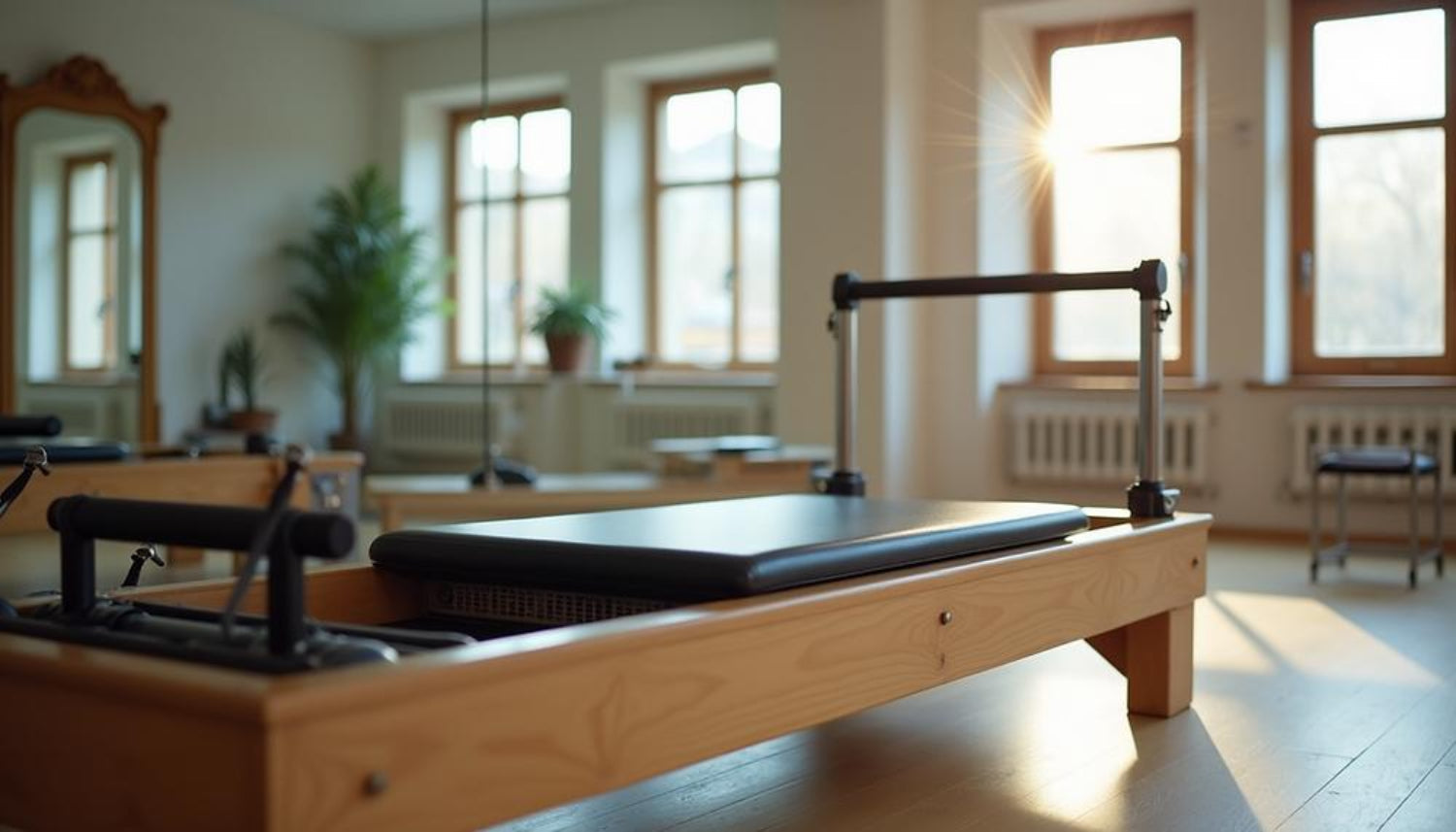
Opening a reformer Pilates studio in the UK on your own or as part of a franchise?
You may be wondering if the way you've chosen to do it is correct, or best for business? Well the answer to that is, who knows! It totally depends on your goals. From freedom to support systems and choosing the right Reformer Pilates Machines, here’s what you need to know.

Is it Better to Self Own or Buy a Franchise when opening a reformer Pilates Studio in the UK?
Starting a fitness studio in the UK is an exciting step. Many people ask whether it is better to self own or buy a franchise when opening a reformer Pilates studio.
The short answer is that neither option is always better. It depends on your goals, your budget, and how involved you want to be in daily operations.
Independent studios give you full control. Franchises offer structure and support. Both can work well in the right situation.
Your choice will shape your brand, your income, and your long-term growth. It will also influence how you invest in Reformer Pilates Machines and how you run your studio day to day.
The UK Reformer Pilates Market in 2026: A Structural Shift
Reformer Pilates continues to grow across the UK. Demand is rising as more people focus on strength, posture, and low-impact training.
Studios are opening quickly, especially in cities. This creates strong opportunities, but also more competition.
Why the "Boutique Boom" Favours Specialised Independent Studios
Many clients now prefer smaller, high-quality studios. They want a more personal experience rather than a large gym setting.
This shift suits independent studios. Owners can create a strong identity and a more tailored service.
The Growth of Standalone Formats in London and Major UK Cities
Cities like London and Manchester continue to lead the trend. Standalone studios are becoming more common in busy areas.
Clients expect a premium feel, with well-designed spaces and high-quality equipment.
Understanding the Current Shortage of Qualified UK Reformer Instructors
There is a growing shortage of experienced reformer instructors in the UK. This can affect how quickly you scale your studio.
Both independent owners and franchises face this challenge. Hiring and retaining staff is now a key part of success.
Financial Comparison: Upfront Investment vs. Long-Term Royalties
Typical Startup Costs for Independent UK Studios (£45k–£80k+)
Starting your own studio requires upfront investment. This includes space, branding, and equipment.
Reformer Pilates Machines are often the largest cost. Choosing quality equipment matters for both performance and longevity. A good way to control this upfront cost is to finance your reformer machines.
If you are sourcing equipment, you can explore options such as Pilates reformer machines.
Franchise Entry Fees and Monthly Royalty Structures Explained
Franchises usually charge an initial fee. On top of this, you pay monthly royalties based on revenue.
These fees cover branding, systems, and ongoing support.
Hidden Costs: Marketing Levies and Mandatory Equipment Upgrades
Some franchises also require marketing contributions. You may also need to upgrade equipment over time.
This can increase long-term costs more than expected.
Operational Freedom vs. The "Turnkey" Promise
Independent Ownership: Branding, Creative Control, and Flexible Pricing
Running your own studio gives you full control. You can design classes, choose your equipment, and set pricing.
You also decide how your brand looks and feels. This helps you stand out locally.
Franchise Model: Proven Systems, National Marketing, and Pre-Set Curriculums
Franchises provide a ready-made structure. This includes class formats, systems, and national marketing.
This can make setup quicker, especially for first-time owners.
The Risk of "One-Size-Fits-All" Models in the UK Wellness Market
Not every location is the same. What works in one city may not suit another.
A fixed model can limit your ability to adapt to local demand.

Strategic Pros and Cons for UK Entrepreneurs
Why Going Independent Wins on Brand and Community
Independent studios often build stronger local connections. You can shape the experience around your audience.
Building a "Social Hub" Studio Tailored to Local Demographics
Many successful studios act as community hubs. Clients return not just for workouts, but for the environment.
Flexibility in Class Sizes: Semi-Privates vs. Large Groups
You can choose how to run your classes. Smaller groups can feel more personal, while larger ones increase revenue.
Diversifying Your Offering Without Franchisor Restrictions
You are free to add services. This might include new classes, workshops, or equipment-based sessions.
The Case for Franchising: Speed to Market and Support
Instant Credibility and Established Brand Recognition
A known brand can attract clients quickly. People often trust names they recognise.
Centralised Booking Systems and Tech Infrastructure
Franchises often include booking systems and tools. This reduces setup time and admin work.
Access to Existing Instructor Training Pipelines and Certifications
You may also get access to training programmes. This can help you recruit and onboard staff.
Navigating the "Instructor Bottleneck" in the UK
Why Top-Tier UK Instructors Often Avoid Franchise Environments
Some experienced instructors prefer flexible environments. Independent studios can offer more freedom.
Staff Retention Strategies for Independent Owners
Retention often comes down to culture. A strong team environment can make a big difference.
The Cost of Meeting Mandatory Franchise Training Standards
Franchise training requirements can add extra costs. They can also limit your hiring options.
Making Your Decision: A 2026 Studio Owner’s Checklist
Assessing Your Business Goals and Risk Tolerance
Your decision depends on your long-term plans. Think about how much control you want and how much risk you can manage.
Profit Margins: Is the 15–25% Independent Margin Enough for You?
Independent studios keep more of their revenue. However, they also carry more responsibility.
Scalability: Opening Multiple Locations via Self-Ownership
Owning your brand can make expansion more flexible. You are not tied to franchise rules.
Critical UK Requirements for Both Models
Securing Commercial Property: City Centre vs. Suburban Trends
Location is key. City centres offer visibility, while suburban areas may reduce costs.
Essential Business Insurance and Health and Safety Compliance
All studios must follow UK regulations. This includes insurance and safety standards.
Recruiting and Onboarding Your Core Team
Hiring the right team is critical. Your instructors will shape the client experience.
Conclusion: Which Path Aligns with Your Vision?
There is no single right answer. Both paths can work well.
If you want control and flexibility, independent ownership may suit you. If you prefer structure and support, a franchise could be a better fit.
Take your time. Choose the path that matches your goals and the type of studio you want to build.


