

Life today can feel like a constant rush. Between work demands and busy schedules, many people stay in a stressed state for too long. This can leave cortisol levels higher than they should be.
Pilates helps calm your nervous system and support balance. But does Pilates help lower cortisol levels, and how do Reformer Pilates machines fit in? Let’s break down why it works.

Does Pilates help lower cortisol levels?
Many people are now turning to low-impact exercise to manage stress. Pilates stands out because it combines movement with breath control.
This combination helps shift the body away from a constant stress response. It encourages calm rather than adding more strain.
To understand why this works, it helps to look at cortisol itself.
The Science of Cortisol and the Stress Response
What is Cortisol and Why is it the "Stress Hormone"?
Cortisol is a hormone released by the adrenal glands. It plays a key role in how your body responds to stress.
It helps regulate energy, metabolism, and sleep patterns. In short bursts, it is useful.
In a healthy cycle, cortisol rises in the morning and falls at night. Ongoing stress can disrupt this rhythm and keep levels too high.
Symptoms of Chronically High Cortisol Levels
When cortisol stays elevated, it can affect both body and mind. Common signs include:
- Constant tiredness, even after rest
- Weight gain, especially around the stomach
- Irritability or mood swings
- Difficulty focusing or brain fog
| Symptom Category | Healthy Cortisol Levels | Chronically High Cortisol |
|---|---|---|
| Energy Levels | Stable and consistent | Exhaustion and burnout |
| Sleep Quality | Deep and restful | Broken or poor sleep |
| Mood State | Calm and steady | Anxiety and irritability |
| Weight Control | Easy to maintain | Increased abdominal fat |
How High-Intensity Exercise Can Sometimes Spike Cortisol
Exercise is usually helpful, but very intense workouts can raise cortisol in the short term. This is especially true if you are already stressed.
For some people, this can add to the problem rather than fix it. Pilates offers a gentler alternative.
How Pilates Regulates the Parasympathetic Nervous System
The Role of Diaphragmatic Breathing in Stress Reduction
Pilates uses controlled breathing, often called lateral or diaphragmatic breathing. This encourages the ribs to expand while keeping the body relaxed.
Slow, steady breathing sends a signal to the brain that you are safe. This helps reduce heart rate and promote calm.
Moving from "Fight or Flight" to "Rest and Digest"
Pilates helps shift the body out of a stress state. It moves you from "fight or flight" into "rest and digest".
Unlike intense exercise, it does not push the body into more stress. Instead, it supports recovery.
The Vagus Nerve and Mindful Movement
Slow, controlled movement helps stimulate the vagus nerve. This nerve plays a key role in relaxation.
When activated, it helps lower stress levels and supports emotional balance.
Physical Benefits that Impact Hormonal Balance
Releasing Muscular Tension in the Neck, Shoulders, and Hips
Stress often builds up in the body. The neck, shoulders, and hips are common areas.
Pilates helps release this tension through gentle, controlled movement.
Improving Posture to Reduce Physical Stress on the Body
Poor posture can add extra strain to the body. Over time, this creates more stress.
Pilates improves alignment and posture. This reduces unnecessary pressure on muscles and joints.
The Connection Between Core Strength and Emotional Resilience
A strong core supports better movement and stability. It also improves body awareness.
This can create a greater sense of control, which may help with stress management.

Choosing the Right Type of Pilates for Cortisol Management
Reformer vs. Mat Pilates: Which is Better for Stress?
Both Reformer and mat Pilates can help reduce stress. The best option often depends on your preference and experience.
The Benefits of the Reformer for Controlled, Flowing Movement
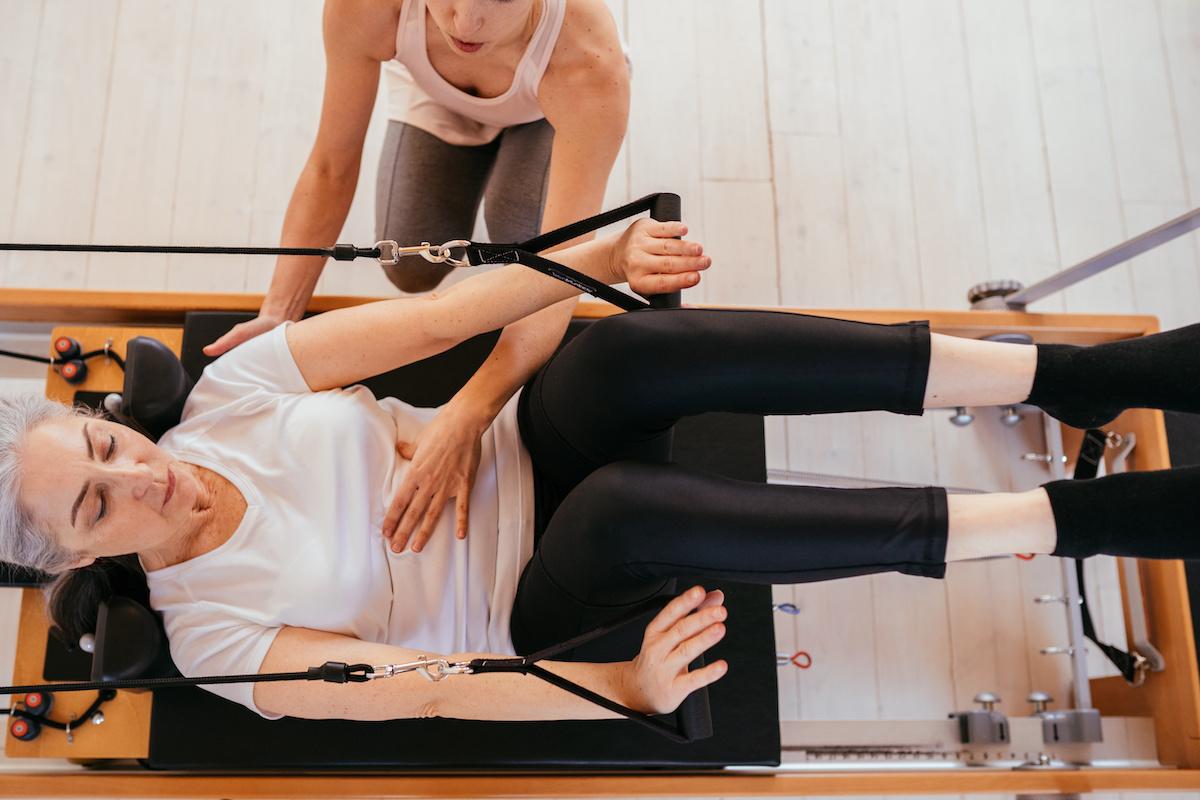
Reformer Pilates machines use springs to guide movement. This allows for smooth, controlled exercises.
The added support can make movements feel easier and more fluid. This helps reduce strain on the body.
Using Mat Pilates for Grounding and Accessibility
Mat Pilates can be done anywhere. It uses your body weight for resistance.
Because it is floor-based, it often feels more grounding. This can be helpful if you are feeling overwhelmed.
Frequency and Intensity: Avoiding the "Over-Exercise" Trap
Why Low-Impact Consistency Outperforms High-Intensity Bursts
Consistency matters more than intensity when managing cortisol. Short, regular sessions are often more effective.
This keeps the body balanced without adding extra stress.
Signs You Are Working Too Hard for Your Cortisol Levels
It is important to listen to your body. Signs you may be overdoing it include:
- Feeling more tired after exercise
- Trouble sleeping
- Increased irritability
These can suggest your workouts are too intense.
Recommended Weekly Pilates Schedule for Stress Relief
Aim for around three sessions each week. You can also do shorter sessions more often.
The goal is to keep movement regular and manageable.
Essential Pilates Principles for Lowering Cortisol
Focus and Concentration: The "Moving Meditation" Effect
Pilates requires your full attention. You focus on each movement and breath.
This creates a calm, almost meditative effect.
Precision and Control to Quiet the Mind
Movements in Pilates are slow and controlled. This reduces mental noise and distraction.
It helps bring your focus back to the present moment.
Coordinating Breath with Movement for Maximum Calm
Breathing in time with movement supports relaxation. It keeps your body and mind working together.
This steady rhythm helps reinforce calm.
Holistic Habits to Pair with Your Pilates Routine
Improving Sleep Quality Through Mindful Movement
Regular Pilates can support better sleep. It helps calm the body before rest.
Over time, this can improve sleep quality.
Supporting Adrenal Health with Nutrition and Hydration
Good nutrition supports hormone balance. Drinking enough water also plays a role.
These habits work well alongside Pilates.
When to Consult a Professional About Hormone Imbalance
If symptoms continue, it may be worth speaking to a professional. They can help rule out underlying issues.
Getting the right support ensures you are taking the best approach for your health.
------
The information provided in this blog is intended for general educational and informational purposes only and should not be considered medical, fitness, or professional advice.
Always consult with a qualified healthcare professional, physiotherapist, doctor, or licensed Pilates instructor before starting any new exercise programme, particularly if you have an existing injury, medical condition, pain, or health concerns.


