

Education Hub
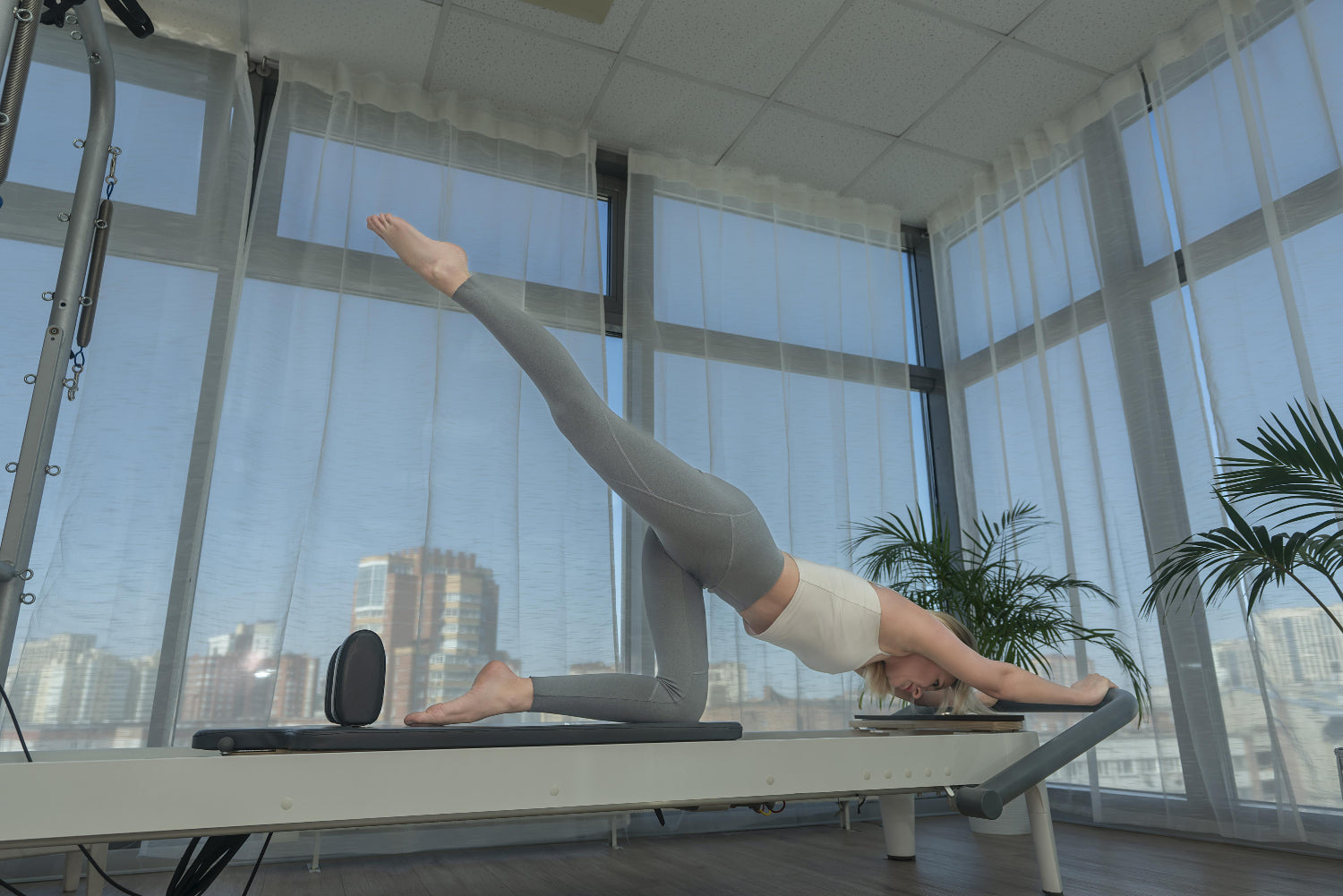

What are the disadvantages of Pilates Reformer?
Reformer Pilates Machines look effortless until you try one. So, are there any negatives to reformer Pilates? Technically, there are some drawbacks, namely - cost, space, and a learning curve. But they are not always dealbreakers! Keep reading to see if these downsides actually matter for you. Are there any negatives to reformer Pilates? Many people see Reformer Pilates as a great way to build core strength and improve flexibility. However, it is worth checking whether it fits your lifestyle and budget. Looking beyond the hype helps you make a better decision. Before buying a machine, there are a few practical things to consider. Cost and space are two of the biggest drawbacks, especially for home use. Beginners may also find it difficult without proper guidance in a studio. Understanding the downsides helps you decide if it is right for you. It also makes it more likely that you will stick with it long term. The Financial Investment: Classes and Equipment Costs Why Reformer Pilates is more expensive than Mat Pilates One of the main barriers is cost. Studio classes tend to be more expensive than mat sessions. This is because classes are smaller and require specialist equipment. The high cost of purchasing a home Reformer machine Setting up a home studio can cost thousands of pounds. High-quality machines are built to last, but the upfront price can be a sticking point for many people. Accessibility and Convenience Challenges Finding specialised studios in your local area Having access to a good instructor is important. That said, it can be difficult to find studios in smaller towns or rural areas. This limits access for many people across the UK. Space requirements for home setups Reformer machines are large and quite heavy. They take up a fair amount of floor space, which is not always practical in UK homes. This is often overlooked when people consider buying one. Physical and Health Considerations Limited cardiovascular benefits (compared to aerobic exercise) Reformer Pilates is not designed to raise your heart rate for long periods. It focuses more on control and strength than cardio fitness. You may need to add walking, cycling, or swimming for a balanced routine. Risks for specific conditions (pregnancy, spinal issues, and osteoporosis) It is not suitable for everyone. If you have certain health conditions or injuries, it is best to check with a GP or specialist before starting. The "repetitive" nature of basic Reformer sequences Some people find the movements quite repetitive. While this helps build control, it may feel less engaging compared to faster-paced workouts. Navigating the Learning Curve for Beginners Understanding springs, pulleys, and the sliding carriage The machine includes springs, pulleys, and a moving carriage. This setup can feel confusing at first, especially if you are new to it. The "intimidation factor" of the equipment For beginners, the machine can look quite technical. This can make it feel intimidating compared to simple mat exercises. The Importance of Professional Guidance Why self-teaching can lead to poor alignment Some people try to learn using online videos. Without proper feedback, it is easy to develop poor form. This can reduce the benefits of the exercises. The risk of injury from incorrect spring tension Using the wrong resistance can put strain on your body. Pushing too hard or progressing too quickly increases the risk of injury. This is more common in beginners.
Learn more
Is Pilates Good for High Cortisol?
Life today can feel like a constant rush. Between work demands and busy schedules, many people stay in a stressed state for too long. This can leave cortisol levels higher than they should be. Pilates helps calm your nervous system and support balance. But does Pilates help lower cortisol levels, and how do Reformer Pilates machines fit in? Let’s break down why it works. Does Pilates help lower cortisol levels? Many people are now turning to low-impact exercise to manage stress. Pilates stands out because it combines movement with breath control. This combination helps shift the body away from a constant stress response. It encourages calm rather than adding more strain. To understand why this works, it helps to look at cortisol itself. The Science of Cortisol and the Stress Response What is Cortisol and Why is it the "Stress Hormone"? Cortisol is a hormone released by the adrenal glands. It plays a key role in how your body responds to stress. It helps regulate energy, metabolism, and sleep patterns. In short bursts, it is useful. In a healthy cycle, cortisol rises in the morning and falls at night. Ongoing stress can disrupt this rhythm and keep levels too high. Symptoms of Chronically High Cortisol Levels When cortisol stays elevated, it can affect both body and mind. Common signs include: Constant tiredness, even after rest Weight gain, especially around the stomach Irritability or mood swings Difficulty focusing or brain fog Symptom Category Healthy Cortisol Levels Chronically High Cortisol Energy Levels Stable and consistent Exhaustion and burnout Sleep Quality Deep and restful Broken or poor sleep Mood State Calm and steady Anxiety and irritability Weight Control Easy to maintain Increased abdominal fat How High-Intensity Exercise Can Sometimes Spike Cortisol Exercise is usually helpful, but very intense workouts can raise cortisol in the short term. This is especially true if you are already stressed. For some people, this can add to the problem rather than fix it. Pilates offers a gentler alternative. How Pilates Regulates the Parasympathetic Nervous System The Role of Diaphragmatic Breathing in Stress Reduction Pilates uses controlled breathing, often called lateral or diaphragmatic breathing. This encourages the ribs to expand while keeping the body relaxed. Slow, steady breathing sends a signal to the brain that you are safe. This helps reduce heart rate and promote calm. Moving from "Fight or Flight" to "Rest and Digest" Pilates helps shift the body out of a stress state. It moves you from "fight or flight" into "rest and digest". Unlike intense exercise, it does not push the body into more stress. Instead, it supports recovery. The Vagus Nerve and Mindful Movement Slow, controlled movement helps stimulate the vagus nerve. This nerve plays a key role in relaxation. When activated, it helps lower stress levels and supports emotional balance. Physical Benefits that Impact Hormonal Balance Releasing Muscular Tension in the Neck, Shoulders, and Hips Stress often builds up in the body. The neck, shoulders, and hips are common areas. Pilates helps release this tension through gentle, controlled movement. Improving Posture to Reduce Physical Stress on the Body Poor posture can add extra strain to the body. Over time, this creates more stress. Pilates improves alignment and posture. This reduces unnecessary pressure on muscles and joints. The Connection Between Core Strength and Emotional Resilience A strong core supports better movement and stability. It also improves body awareness. This can create a greater sense of control, which may help with stress management. Choosing the Right Type of Pilates for Cortisol Management Reformer vs. Mat Pilates: Which is Better for Stress? Both Reformer and mat Pilates can help reduce stress. The best option often depends on your preference and experience. The Benefits of the Reformer for Controlled, Flowing Movement Reformer Pilates machines use springs to guide movement. This allows for smooth, controlled exercises. The added support can make movements feel easier and more fluid. This helps reduce strain on the body. Using Mat Pilates for Grounding and Accessibility Mat Pilates can be done anywhere. It uses your body weight for resistance. Because it is floor-based, it often feels more grounding. This can be helpful if you are feeling overwhelmed. Frequency and Intensity: Avoiding the "Over-Exercise" Trap Why Low-Impact Consistency Outperforms High-Intensity Bursts Consistency matters more than intensity when managing cortisol. Short, regular sessions are often more effective. This keeps the body balanced without adding extra stress. Signs You Are Working Too Hard for Your Cortisol Levels It is important to listen to your body. Signs you may be overdoing it include: Feeling more tired after exercise Trouble sleeping Increased irritability These can suggest your workouts are too intense. Recommended Weekly Pilates Schedule for Stress Relief Aim for around three sessions each week. You can also do shorter sessions more often. The goal is to keep movement regular and manageable. Essential Pilates Principles for Lowering Cortisol Focus and Concentration: The "Moving Meditation" Effect Pilates requires your full attention. You focus on each movement and breath. This creates a calm, almost meditative effect. Precision and Control to Quiet the Mind Movements in Pilates are slow and controlled. This reduces mental noise and distraction. It helps bring your focus back to the present moment. Coordinating Breath with Movement for Maximum Calm Breathing in time with movement supports relaxation. It keeps your body and mind working together. This steady rhythm helps reinforce calm. Holistic Habits to Pair with Your Pilates Routine Improving Sleep Quality Through Mindful Movement Regular Pilates can support better sleep. It helps calm the body before rest. Over time, this can improve sleep quality. Supporting Adrenal Health with Nutrition and Hydration Good nutrition supports hormone balance. Drinking enough water also plays a role. These habits work well alongside Pilates. When to Consult a Professional About Hormone Imbalance If symptoms continue, it may be worth speaking to a professional. They can help rule out underlying issues. Getting the right support ensures you are taking the best approach for your health. ------ The information provided in this blog is intended for general educational and informational purposes only and should not be considered medical, fitness, or professional advice. Always consult with a qualified healthcare professional, physiotherapist, doctor, or licensed Pilates instructor before starting any new exercise programme, particularly if you have an existing injury, medical condition, pain, or health concerns.
Learn more
Who Should Not Do Reformer Pilates? Is It Safe For Me?
Reformer Pilates has a reputation for being low-impact, beginner-friendly, and great for everything from posture to core strength — but is it actually suitable for everyone? If you’ve ever wondered whether certain injuries, medical conditions, or fitness levels might make Reformer Pilates Machines unsafe, you’re definitely not alone. The truth is, while reformer Pilates can be incredibly beneficial, there are some situations where modifications, medical advice, or extra caution are important. Keep reading as we break down who should be careful with reformer Pilates, when it may not be the right fit, and how to know whether it’s safe for your body and goals. When to be careful with Pilates Reformer Pilates is not suitable for everyone. Some medical conditions and physical limitations can increase the risk of injury. It’s important to understand these before starting. Severe Osteoporosis and Bone Density Issues Bone density plays a big role when using a reformer. If you have severe osteoporosis, certain movements may increase the risk of fractures. These precautions are in place to protect your bones. Unstable Cardiovascular Conditions If you have uncontrolled heart conditions, exercise can place extra strain on the body. Some movements and positions may not be safe. Always seek medical advice before taking part. Recent Surgery or Acute Injuries If you have recently had surgery, your body needs time to heal. Starting too soon can slow recovery or cause complications. Always get medical clearance before returning to exercise. Herniated Discs and Severe Sciatica (Acute Phase) Back conditions such as herniated discs or sciatica can worsen with resistance-based movement. This is especially true during flare-ups. Extra care or rest may be needed during this time. Advanced Pregnancy (Post-First Trimester without modifications) Pregnancy changes how your body moves and responds to exercise. Some positions may not be safe without modification. Always check with your GP and work with a trained instructor. Severe Arthritis or Inflammatory Joint Flare-ups Inflamed joints can be sensitive to resistance and movement. Certain exercises may increase discomfort during flare-ups. Adjustments are often needed to reduce strain. Respiratory Conditions (COPD or Unmanaged Asthma) Breathing is a key part of Pilates. If you have a respiratory condition, this can make sessions more challenging. Proper guidance is important. High Blood Pressure and Vertigo/Dizziness Changes in position and controlled breathing can affect blood pressure. Some people may feel lightheaded or dizzy. This should be managed carefully. Neurological Disorders affecting Balance Conditions that affect balance or coordination can make the reformer harder to use. The moving carriage adds another layer of difficulty. Extra support may be required. Reformer Pilates vs. Mat Pilates: Safety Differences Why the Reformer Machine Requires Extra Caution Understanding how the reformer works is key. The machine uses springs, pulleys, and a sliding carriage. This adds complexity compared to mat Pilates. Lack of Body-Breath Connection and Coordination Beginners may find it difficult to match movement with breathing. This can affect control and form. Guidance helps reduce this risk. Complexity of Spring Resistance and Moving Carriages The adjustable resistance can be useful, but also harder to manage. Without experience, it may feel unstable. Learning gradually is important. Risk of Strains from Improper Form on Equipment Incorrect positioning on the machine can lead to strain. This risk is higher than on a mat. A qualified instructor can help correct your form. How to Safely Start Pilates with Health Concerns Essential Steps Before Your First Class Starting a new routine means understanding your body. Taking a cautious approach will help you stay safe. When to Seek Medical Clearance (GP or Specialist) Always speak to your GP or a specialist if you have concerns. This is especially important for existing conditions or injuries. The Importance of a Qualified Instructor A qualified instructor can adapt exercises to suit your needs. They will also help you maintain proper form. This reduces the chance of injury. Choosing Private Sessions vs. Group Classes If you are new or have health concerns, private sessions may be a better option. They allow for more personalised guidance. This can build confidence early on. Listening to Your Body: Knowing When to Stop Never ignore pain or discomfort. Stop if something does not feel right. It is always better to be cautious than push through. ------ The information provided in this blog is intended for general educational and informational purposes only and should not be considered medical, fitness, or professional advice. Always consult with a qualified healthcare professional, physiotherapist, doctor, or licensed Pilates instructor before starting any new exercise programme, particularly if you have an existing injury, medical condition, pain, or health concerns.
Learn more
Reformer vs. Mat Pilates: Which Workout Is Right for You?
If you’ve ever looked at a sleek reformer machine and thought, “That looks terrifying,” while also wondering whether mat Pilates is actually enough to get results, you’re definitely not alone. The truth is, both styles have their own benefits, challenges, and surprisingly loyal fan clubs. Some people love the burn and support of Reformer Pilates Machines, while others swear by the simplicity and accessibility of mat work. So, which one is actually right for you? Keep reading and we’ll break down the real differences, who each workout suits best, and how to choose the option that fits your goals, lifestyle, and body best. How is Reformer Pilates different from Mat Pilates? Understanding the Equipment: The Reformer Machine vs. The Mat Springs, Pulleys, and Adjustable Resistance If you’ve ever walked into a Pilates studio and immediately been slightly intimidated by the giant bed-looking machine with straps hanging off it… welcome to the club. That’s the reformer machine. It uses springs, pulleys, and a sliding carriage to create resistance, which means your workout can be adjusted to match your strength and fitness level. One of the reasons people love Reformer Pilates Machines is that they make movements feel supported while still seriously challenging your muscles (sometimes in ways you weren’t emotionally prepared for). The best part? The resistance is controlled, so you can progress gradually without feeling thrown in at the deep end. Using Your Own Body Weight for Resistance Mat Pilates keeps things much simpler. No springs, no moving carriage, no straps — just you, a mat, and your own body weight. That might sound easier… but don’t be fooled. Without the support of a machine, your muscles have to work hard to keep you stable and controlled throughout each movement. It’s amazing for building body awareness, balance, and deep core strength. Also, there’s something quite satisfying about realising your abs can shake while doing a movement that barely looks like movement at all. Core Principles and Origins Joseph Pilates and the Foundation of the Method Whether you choose reformer or mat Pilates, both styles come from the same place. They were created by Joseph Pilates, who believed movement should strengthen the body while improving posture, flexibility, and control. The goal was never just to “work out.” It was to move better, feel stronger, and create a healthier relationship with your body overall. Breath, Control, and Centering in Both Practices Both methods focus heavily on breathing, control, and core engagement. Pilates isn’t about rushing through reps or collapsing dramatically onto the floor afterwards. Instead, every movement is slow, intentional, and controlled. It’s very much quality over quantity, which is why Pilates can look gentle from the outside while secretly setting your muscles on fire. Over time, this mindful style of training improves posture, coordination, and overall body awareness. Is Reformer Pilates More Effective Than Pilates? Why the Reformer May Build Muscle Faster If your main goal is strength or muscle toning, the reformer definitely has an edge for some people. The adjustable springs allow you to increase resistance in a very controlled way, which can help build lean muscle and strength faster. It also adds variety to movements, which keeps workouts challenging and engaging. A lot of people find reformer sessions feel more “full body” compared to traditional workouts, especially once the resistance increases. Mat Pilates for Deep Core Stability and Posture That said, mat Pilates absolutely holds its own. Because there’s no external support, your body has to stabilise itself the entire time. This builds incredibly strong deep core muscles and can do wonders for posture, alignment, and overall body control. It’s often less about “big” movements and more about learning how to properly activate muscles you didn’t even know existed. Rehabilitation and Injury Prevention How the Reformer Supports Limited Mobility One thing reformers are brilliant for is support. The machine guides movement in a way that can feel safer and more controlled, especially for beginners or people recovering from injuries. Because the carriage moves with you, exercises can feel smoother and lower impact on joints while still building strength. Low-Impact Benefits for Joint Longevity Both mat and reformer Pilates are known for being gentle on the joints, which is one of the reasons people stick with Pilates long term. You can improve strength, flexibility, posture, and mobility without constantly battering your knees, hips, or lower back in the process. Accessibility and Lifestyle Factors Comparing Class Costs and Studio Fees This is where reformer Pilates becomes slightly less fun: the price. Because reformer classes require specialised equipment and smaller class sizes, they’re usually more expensive than mat sessions. In the UK especially, reformer studios can feel very boutique (and sometimes priced accordingly). That said, many people feel the structure and support of reformer sessions make the investment worthwhile. The Portability of Mat Pilates for Home Workouts Mat Pilates wins easily when it comes to convenience. All you really need is a mat and enough floor space to lie down without kicking furniture. You can do it at home, at the gym, while travelling, or even squeezed into your living room between meetings. It’s flexible, accessible, and much easier to fit into busy schedules. Is Reformer Pilates More Difficult Than Pilates? Mastering Foundational Movements on the Mat A lot of beginners assume mat Pilates will be easier because there’s no machine involved. Then they try it. Without external support, even basic exercises can feel surprisingly challenging. Your core and stabilising muscles are working constantly, which is why mat Pilates often delivers that deep “wow I really feel that” kind of burn. Navigating the Technical Complexity of the Reformer The reformer, meanwhile, has a slightly steeper learning curve at first. Between the carriage, straps, springs, and moving parts, there’s definitely a moment where everyone wonders if they’re operating gym equipment or preparing a spacecraft for launch. But once you get comfortable with it, the machine actually helps guide movement and improve form. Resistance vs. Stability: Which Challenges You More? Why Mat Pilates Can Feel More Intense for the Core Mat Pilates can feel deceptively difficult because your body has to stabilise itself through every movement. There’s nowhere to hide, which means your core stays switched on almost constantly. Progressive Overload on the Reformer Carriage The reformer creates challenge in a different way. By adjusting spring resistance, you can progressively overload muscles and continue building strength over time. This makes it particularly effective for endurance, toning, and full-body conditioning. Can You Do Both? Honestly? You don’t necessarily have to choose. Reformer Pilates is fantastic for guided resistance, strength building, and variety, while mat Pilates offers simplicity, flexibility, and incredible core stability work. They each bring different benefits to the table. In reality, many people find the best approach is combining both. Reformer sessions can build strength and control, while mat Pilates improves stability, posture, and body awareness. Together, they create a balanced routine that supports long-term fitness, mobility, and overall wellbeing.
Learn more
Can People with Heart Problems Do Pilates?
Finding the right balance for physical activity is key for heart health. Many people look for low-impact routines that build strength without placing too much stress on the body. Mindful movement is popular for its gentle way of improving flexibility and core stability. Pilates can be a suitable option, but it needs to be adapted to your individual needs. Your safety should always come first. Always speak to your GP before starting any new exercise routine. They can guide you based on your condition. Are there any risks? While Pilates is low-impact, there are still a few things to be aware of, especially when using equipment. Understanding how certain movements affect the body will help you stay safe. Understanding the Strain of Resistance and Inversions When you exercise, your heart works harder to supply oxygen to your muscles. With Pilates, this needs to be controlled and steady. Why heavy spring tension can cause a sudden spike in blood pressure Higher resistance can increase strain on the body. This may lead to a temporary rise in blood pressure if not managed carefully. The risks of "head-down" positions (inversions) for heart patients Some positions may increase pressure in the upper body. A more upright position is often more suitable for those with heart concerns. Identifying "breath-holding" (Valsalva manoeuvre) during difficult movements Holding your breath during effort can raise internal pressure. Controlled breathing helps reduce this risk. Mat vs. Reformer: Which is safer for cardiac health? Mat Pilates is often the safest place to start. It allows for more control and less resistance. Reformer Pilates can also be safe, but only when movements and resistance are adjusted. If you are unsure, start with guidance from a trained instructor. When to avoid the Reformer machine during recovery If you are early in recovery or experiencing symptoms, it may be best to avoid equipment-based sessions. A gentler, mat-based approach is usually recommended at this stage. Always check with your GP before progressing. The Benefits of Pilates for Cardiovascular Health Mindful movement can support your heart in several ways. Pilates uses slow, controlled exercises that are easier on the body. Many people notice improved posture and core strength. This reduces strain during everyday activities. Managing Hypertension and Resting Heart Rate Heart conditions can affect how your body responds to exercise. That is why it is important to keep movements steady and controlled. How Pilates-based isometric exercises lower systolic blood pressure Gentle muscle engagement can help regulate blood pressure over time. This makes Pilates suitable for many people with hypertension. The impact of lateral breathing on heart rate variability (HRV) Breathing plays a key role in Pilates. Slow, steady breathing helps calm the nervous system and support heart function. Complementing Your Cardiac Rehabilitation Programme Regular movement can support recovery and long-term health. Pilates fits well alongside many rehabilitation plans. Improving circulation and oxygen transport without high-impact stress Controlled movements help improve blood flow without putting too much strain on the body. Building "functional capacity" for everyday activities Stronger muscles and better endurance make daily tasks feel easier. This can improve overall quality of life. Stress Reduction and the Parasympathetic Nervous System Mental wellbeing is closely linked to heart health. Pilates creates a calm and focused environment. Lowering cortisol levels to protect the heart Reducing stress can help protect your heart over time. Gentle exercise supports this process. The mind-body connection in post-surgery recovery The connection between movement and breathing can support both physical and emotional recovery. Safety Guidelines: How to Practice Pilates with a Heart Condition Exercising with a heart condition means paying close attention to your body. It is important to stay within your limits. While exercise is beneficial, pushing too hard can cause problems. Always monitor how you feel during each session. Essential Precautions Before You Start Starting slowly is key when beginning any new routine. Why a GP referral or cardiac specialist clearance is non-negotiable Always speak to your GP or specialist before starting Pilates. This ensures the approach is safe for you. Using the "Talk Test" to monitor intensity during class You should be able to speak comfortably while exercising. If you cannot, the intensity may be too high. Modifications for Common Cardiac Issues Adapting movements is essential when managing a heart condition. Adjusting for Orthopnoea: Moving from supine to semi-reclined positions Changing positions can make breathing easier and more comfortable. Avoiding overhead arm movements to reduce cardiac load Keeping movements controlled helps reduce unnecessary strain on the heart. The importance of slow transitions to prevent dizziness (Postural Hypotension) Moving slowly between positions can help prevent light-headedness. Finding the Right Instructor: Clinical Pilates vs. Commercial Studios Choosing the right instructor makes a big difference. Look for someone experienced in working with health conditions. It can help to explore options like Design and Health Pilates Reformer Collection or browse Pilates Machines Collection by Design and Health to understand the equipment used in sessions. Tell your instructor about your condition before starting. This allows them to adjust exercises to suit your needs. ------- The information provided in this blog is intended for general educational and informational purposes only and should not be considered medical, fitness, or professional advice. Always consult with a qualified healthcare professional, physiotherapist, doctor, or licensed Pilates instructor before starting any new exercise programme, particularly if you have an existing injury, medical condition, pain, or health concerns.
Learn more
Will Pilates Help with Diastasis Recti?
“Can people with diastasis recti do Pilates?” or “Should you do Pilates if you have diastasis recti?” this guide, including Reformer Pilates Machines, shows you how to support recovery safely. Welcoming a new baby is a beautiful milestone, yet many mothers face the physical challenge of abdominal separation. You might be wondering if your body will feel strong again. This is a common concern, and you are not alone in your recovery. Gentle, controlled movement is often what helps most during postnatal healing. By focusing on deep core engagement, you can rebuild strength from the inside out. This approach supports your body during a sensitive stage. With regular, mindful practice, many people regain confidence in how their body feels and moves. This guide aims to give you a clear path to improving stability and overall wellbeing. ----- The information provided in this blog is intended for general educational and informational purposes only and should not be considered medical, fitness, or professional advice. Always consult with a qualified healthcare professional, physiotherapist, doctor, or licensed Pilates instructor before starting any new exercise programme, particularly if you have an existing injury, medical condition, pain, or health concerns. Can people with diastasis recti do Pilates? Understanding Diastasis Recti and the Role of the Core What is Diastasis Recti Abdominis (DRA)? Diastasis recti is when the muscles in your stomach separate along the midline. These muscles are often called the “six-pack”. The tissue between them can stretch and weaken. This often happens during pregnancy due to pressure from the growing uterus. Hormones also play a role by softening connective tissue. While it is natural, it can leave your core feeling weak after birth. How the Transverse Abdominis (TVA) Acts as a Natural Corset The transverse abdominis is a deep core muscle that wraps around your torso. It acts like a natural corset. Pilates focuses on activating this muscle to support your spine. Strengthening it helps improve stability and supports healing of the abdominal wall. The Benefits of Using Pilates for Abdominal Separation Improving Functional Core Tension Over "Closing the Gap" Rather than only trying to “close the gap”, Pilates focuses on rebuilding strength. It helps create functional tension through the deep core muscles. This allows your body to move more safely and efficiently in daily life. Correcting Postpartum Posture and Pelvic Alignment After pregnancy, posture often changes. Many women notice back discomfort or poor alignment. Pilates helps bring the pelvis and spine back into better position. This can reduce strain on the lower back and shoulders. It also makes everyday tasks feel easier. Strengthening the Pelvic Floor and Deep Stabilizers Pilates works closely with the pelvic floor as well as the core. These muscles support each other. Strengthening them together improves control and stability. It also supports long-term recovery after pregnancy. Should you do Pilates if you have diastasis recti? When Pilates Becomes Counterproductive: Exercises to Avoid The Danger of "Doming" or "Coning" During Movement A visible bulge along the midline is often called doming or coning. This is a sign of too much pressure in the abdomen. If you notice this during movement, it is best to stop and adjust the exercise. Why Traditional Crunches and Sit-ups Can Worsen the Gap Crunches and sit-ups can place too much strain on the abdominal wall. They increase pressure in the core. This may make the separation worse rather than help it heal. These exercises are best avoided in early recovery. Managing Intra-Abdominal Pressure in Planks and Teasers Movements like planks and teasers can be too intense at first. Without control, they increase pressure on the abdomen. These should only be introduced gradually, once your core is stronger. Essential Modifications for a Diastasis-Safe Practice The Power of Breath: Lateral Rib Breathing vs. Bracing Breathing plays an important role in Pilates. Lateral rib breathing supports the core without pushing outward. Bracing, on the other hand, can increase pressure on the abdominal wall. Learning the right breathing pattern makes a big difference. Using Props (Small Balls and Wedges) for Head and Neck Support Small props can make exercises more comfortable. Cushions or balls help support your head and neck. They also help you keep good alignment during movements. Transitioning from Supine (Back) to Side-Lying and Quadruped Positions As you progress, changing positions can reduce strain on the abdomen. Moving to side-lying or hands-and-knees positions is often more supportive. This allows you to continue building strength in a safe way. The Best Pilates Exercises for Healing Diastasis Recti If you are exploring equipment-based options, you can view suitable setups here:Pilates reformer machines Top 5 Reformer and Mat Moves for Gentle Recovery Pelvic Tilts for Deep Abdominal Connection Pelvic tilts gently activate the lower abdominal muscles. They help you reconnect with your core. Keep the movement slow and controlled. Focus on maintaining a neutral spine. Heel Slides: Building Stability without Strain Heel slides involve extending one leg slowly while keeping your core engaged. This helps build stability without placing too much pressure on the abdomen. Modified Bird-Dog for Spinal and Core Coordination This exercise improves coordination between the spine and core. It also strengthens stabilising muscles. Control is more important than speed here. Femur Arcs (Toe Taps) for Lower Abdominal Control Toe taps help strengthen the lower abdominal area. The key is steady, controlled movement. Keep your core stable throughout the exercise. Side-Lying Leg Series for Oblique and Hip Strength Side-lying exercises strengthen the hips and obliques. These muscles support overall balance and stability. They also reduce pressure on the abdominal midline. A Progressive Timeline: From Postpartum to Advanced Flow When to Get Medical Clearance (The 6-Week Rule) Before starting any structured exercise, it is important to get medical clearance. This is often around six weeks after birth in the UK. Always follow advice from your GP or physiotherapist. Signs Your Core is Ready to Increase Resistance As your strength improves, you may notice better control during movement. You may also see less doming and improved posture. These are signs that you can begin to progress your exercises carefully.
Learn more
Can Pilates Help a Weak Bladder?
Pilates strengthens your pelvic floor and improves control. From mat work to Reformer Pilates Machines, it’s gentle but effective. Wondering, Is Pilates good for an overactive bladder? Keep reading. Is Pilates good for an overactive bladder? Many people in the UK live with pelvic floor issues. It can feel isolating, but it is more common than you might think. Gentle, controlled exercise offers a supportive way forward. Pilates is often linked to better bladder control. It strengthens the muscles that support the bladder and nearby organs. Over time, this may reduce urgency, leaks, and discomfort. Choosing Pilates for bladder health is a low-impact option. With regular practice, it can help you feel more stable and in control. You may also notice better awareness of how your body moves. If you are exploring equipment options, you can view different setups like Reformer Pilates Machines here Understanding the Mind-Body Connection in Bladder Control Pilates is not only physical. It also builds awareness through controlled movement and breathing. This link between mind and body can support bladder control. How "Centring" and Focus Can Reduce Urge Incontinence Pilates teaches you to focus on your core during each movement. This helps you engage the pelvic floor more effectively. Over time, this can improve control during sudden urges. The Impact of Stress and Anxiety on Bladder Frequency Stress can increase how often you feel the need to urinate. Pilates encourages steady breathing and slower movement. This can help calm the body and reduce frequency. Using Lateral Breathing to Calm the Nervous System Pilates uses lateral breathing, where the ribs expand instead of the belly. This supports the core without placing pressure on the pelvic floor. It also helps settle the nervous system. Pilates vs. Traditional Kegels: What’s the Difference? Both Pilates and Kegels target the pelvic floor. However, Pilates takes a more complete approach. Why Functional Movement Often Beats Isolated Squeezes Kegels focus on isolated contractions. Pilates combines pelvic floor engagement with full-body movement. This helps train the muscles in real-life situations. Integrating Pelvic Floor Contractions into Dynamic Exercises Pilates teaches you to activate the pelvic floor while moving. This builds strength in a way that carries over into daily life. The Science: How Core Stability Supports Bladder Health A strong core supports the bladder and reduces pressure. Pilates is designed to build this deep stability. The "Deep Core" Connection: Transverse Abdominis and the Pelvic Floor The deep core includes the transverse abdominis and pelvic floor. These muscles work together like a natural support system. Strengthening them can improve bladder control. Reducing Intra-Abdominal Pressure on the Bladder Poor movement can increase pressure on the bladder. Pilates focuses on controlled movement and breath. This helps reduce unnecessary strain. Improving Posture to Align Pelvic Organs Posture affects how your organs sit within the body. Pilates improves alignment, which supports the bladder and pelvic floor. Best Pilates Exercises for Strengthening a Weak Bladder Pilates includes exercises that support the pelvic floor. These movements focus on control, alignment, and breathing. Gentle Mat-Based Movements for Pelvic Power These exercises are suitable for beginners. They can be done at home with little equipment. The Pelvic Curl: Taping into the Posterior Chain Also known as pelvic tilts or bridges, this movement improves spinal mobility. It strengthens the glutes and pelvic floor. It also supports overall stability. Knee Openings (Bent Knee Fall-Outs) for Pelvic Stability This exercise helps control hip movement while keeping the pelvis steady. It supports gentle activation of the pelvic floor. Shoulder Bridge with Inner Thigh Engagement The bridge strengthens the glutes and core. Adding inner thigh engagement increases pelvic floor support. The Hundred: Building Endurance in the Deep Core This classic Pilates exercise builds endurance in the deep core muscles. It also supports breath control. Modifications for Stress Incontinence and Leaks If you experience leaks, small changes can help. Exercises to Avoid During a Flare-Up (High Impact vs. Low Impact) Avoid high-impact movements that increase pressure on the pelvic floor. Focus on slower, low-impact exercises instead. Using Props: How a Pilates Ball or Magic Circle Can Help Props can provide support and feedback. They help you engage the right muscles more clearly. Breath-work Timing: Exhaling on the Effort to Protect the Pelvic Floor Exhaling during effort helps reduce pressure. This can protect the pelvic floor during exercise. Creating a Sustainable Pilates Routine for Bladder Health Building a routine takes time. Consistency is key. Consistency and Expectations: When Will You See Results? Regular practice helps strengthen the pelvic floor. Progress may feel gradual, but it builds over time. The 12-Week Milestone: What the Research Says Many people notice changes within 12 weeks. This depends on consistency and proper technique. Daily vs. Weekly Practice: Finding a Realistic Schedule Short, regular sessions are often more effective. Choose a routine that fits your lifestyle. Lifestyle Synergy: Supporting Your Pilates Practice Exercise works best alongside supportive habits. Bladder-Friendly Nutrition and Hydration Tips Staying hydrated is important. Some drinks may irritate the bladder, so it helps to notice patterns. The Importance of Pelvic Floor Relaxation (Avoiding Hypertonicity) Strength matters, but so does relaxation. Over-tightening the pelvic floor can cause discomfort. When to Transition from Home Pilates to a Specialist Sometimes, extra support is helpful. Working with a Pelvic Floor Physiotherapist A specialist can guide your technique. They can tailor exercises to your needs. Recognising Symptoms That Require Medical Intervention If symptoms continue or worsen, speak to a GP or physiotherapist. Early support can make a difference. --------- The information provided in this blog is intended for general educational and informational purposes only and should not be considered medical, fitness, or professional advice. Always consult with a qualified healthcare professional, physiotherapist, doctor, or licensed Pilates instructor before starting any new exercise programme, particularly if you have an existing injury, medical condition, pain, or health concerns.
Learn more
Can Reformer Pilates Improve Bone Density?
Reformer Pilates can support bone health by improving strength, balance, and stability. It uses controlled resistance rather than impact, which makes it appealing for many people. While it may not replace heavy strength training, it can play a useful role in a well-rounded routine. As we age, keeping our bones strong becomes more important. Many people look for ways to stay active without putting stress on their joints. You might wonder if this approach is enough to support bone health long term. Understanding how it works helps you make better choices. How Reformer Pilates Impacts Bone Mineral Density (BMD) Your skeleton is not fixed. Bones are constantly being broken down and rebuilt through a process called remodelling. Bone density refers to how much mineral, such as calcium, is stored in your bones. Higher levels mean stronger bones and a lower risk of fractures. As you get older, this balance can shift. Bone loss may begin to outpace bone formation. The Science of Osteoblastic Loading and Resistance Understanding Wolff’s Law: How bones adapt to stress There is a clear link between muscles and bones. When muscles contract against resistance, they pull on the bone. This signals the body to strengthen it. This idea is often referred to as Wolff’s Law. Over time, repeated stress encourages bones to adapt and stay strong. How Reformer springs provide the "Mechanical Loading" necessary for bone growth Reformer Pilates uses springs to create resistance. This makes muscles work harder during each movement. That added demand creates mechanical loading, which supports bone health. Although the load is lower than heavy lifting, it still provides a useful stimulus. Weight-Bearing vs. Non-Weight-Bearing Reformer Movements The role of footwork and standing exercises on the carriage Footwork and standing exercises place load through the lower body. These movements help stimulate the hips and legs, which are key areas for bone strength. They also improve control and coordination. Why resistance-based pulling is a "surrogate" for weight-bearing Some exercises on the reformer are not fully weight-bearing. However, pulling against resistance can mimic similar forces. This makes it a suitable option for people who want a lower-impact approach. Is Reformer Pilates enough for bone density? Reformer Pilates can support bone health, but it is not the strongest stimulus on its own. It works best as part of a broader approach that includes other forms of exercise. Comparing Pilates to Heavy Strength Training The limitations of low-impact resistance for maximal bone loading Low-impact exercise places less force on the skeleton. This makes it safer, but also less effective for building maximum bone density. Heavier resistance training tends to produce a stronger response. Why "Progressive Overload" is harder to achieve on a Reformer Progressive overload means gradually increasing the challenge over time. While reformer springs can be adjusted, the range is more limited. This can make long-term progression slower compared to weight training. Creating a Comprehensive Bone-Building Routine Supplementing Pilates with walking and impact-based cardio Adding walking or light impact exercise can help. These activities increase loading through the bones in a natural way. They also support overall fitness. The importance of frequency: How many sessions per week for bone health? Consistency matters more than intensity alone. Two to three sessions per week can support strength and stability. Regular movement helps maintain bone health over time. Is reformer Pilates enough to prevent osteoporosis? Reformer Pilates can support prevention, especially when started early. However, it should not be the only strategy used. Early Intervention: Pilates for Osteopenia Catching bone loss early with core stability and alignment Improving posture helps spread load evenly through the body. This reduces strain on specific areas and supports long-term strength. Beyond Density: Fall Prevention and Balance Improving proprioception to reduce fracture risk Reformer Pilates improves awareness of how your body moves. This can help reduce the risk of falls. Strengthening "stabiliser muscles" to protect the hips and spine Stronger stabilising muscles support joints and the spine. This added support lowers the chance of injury. Is reformer Pilates ok for osteoporosis? Reformer Pilates can be safe for people with osteoporosis when adapted properly. It is important to focus on controlled and safe movements. Critical Safety Modifications and the "No-Twist" Rule Why spinal flexion (crunches/curls) is risky for osteoporotic spines Movements that involve bending the spine forward can place stress on weak areas. This may increase the risk of fractures. Safe alternatives: Focusing on spinal extension and neutral spine Exercises that keep the spine neutral are safer. Gentle extension work can help strengthen the back without strain. Finding the Right Instructor and Clinical Pilates The difference between fitness Pilates and "Bone-Safe" or "Buff Bones" protocols Working with a qualified instructor is important. Some programmes are designed specifically for bone health and safety. You can explore equipment options like a Pilates reformer machine. What is better for osteoporosis, Pilates or yoga? Both Pilates and yoga offer benefits. They simply focus on different aspects of movement. Comparing the Mechanics of Pilates vs. Yoga Dynamic resistance (Pilates) vs. Isometric holds (Yoga) Pilates uses controlled resistance through movement. Yoga often focuses on holding positions for longer periods. Flexibility vs. Functional Strength: Which protects bones better? Strength and stability are key for protecting bones. Flexibility supports movement, but does not provide the same level of protection. The Verdict: Can You Do Both? How to hybridise your routine for optimal skeletal health Combining both approaches can be useful. Strength, balance, and mobility all play a role in long-term health. Best Reformer Pilates Exercises for Bone Health Lower Body Power: Footwork and Leg Press These exercises load the lower body in a controlled way. They help build strength around the hips and legs. Upper Body Strength: Arm Work and Chest Expansion Upper body movements improve posture and support the spine. They also build strength through the shoulders and back. Posterior Chain Focus: Bridging and Swan Prep These exercises target the back and hips. They are important for posture and spinal support. Summary: A Proactive Approach to Bone Longevity Reformer Pilates offers a low-impact way to support bone health. It improves strength, balance, and control. This helps you stay active and independent as you age. Nutrition and Lifestyle Factors for Bone Support The role of Calcium, Vitamin D, and Protein Nutrition plays a key role in bone health. Calcium supports structure, vitamin D helps absorption, and protein aids repair. Next Steps: Starting Your Reformer Journey Safely Start with guided sessions if possible. Focus on control, consistency, and proper technique. This approach helps you build strength safely over time. ---------- The information provided in this blog is intended for general educational and informational purposes only and should not be considered medical, fitness, or professional advice. Always consult with a qualified healthcare professional, physiotherapist, doctor, or licensed Pilates instructor before starting any new exercise programme, particularly if you have an existing injury, medical condition, pain, or health concerns.
Learn more
Is Reformer Pilates Good for High Blood Pressure?
Many people now look towards low-impact movement to manage their cardiovascular health. You might wonder, Is Reformer Pilates good for high blood pressure? Reformer Pilates uses specialised equipment to build strength and improve circulation without placing too much strain on your heart. Medical experts and fitness trainers continue to explore the link between reformer Pilates and blood pressure management. By focusing on controlled breathing and steady muscle engagement, this approach offers a gentle way to support long-term heart health. Can reformer Pilates lower blood pressure? Moving your body regularly is one of the simplest ways to manage high blood pressure. Exercise helps your heart pump blood more efficiently, which reduces pressure on your arteries. Low-impact activities such as Pilates are particularly helpful. They support circulation, improve vascular health, and help manage stress levels, all of which play a role in blood pressure control. If you are exploring equipment options, you can view a range of Reformer Pilates Machines here. The Science Behind Reformer Pilates and Hypertension Reformer Pilates combines resistance, breath control, and precise movement. These elements work together to support cardiovascular health without placing excessive strain on the body. Improving Vascular Function and Flow-Mediated Dilation (FMD) Exercise helps keep blood vessels flexible and responsive. Improved circulation allows blood to move more freely, reducing pressure on arterial walls. The Role of Resistance Training in Heart Health The Reformer uses springs to provide controlled resistance. This strengthens muscles without overloading the cardiovascular system, which makes it suitable for people managing hypertension. Impact on Systolic and Diastolic Measurements Consistent movement and improved circulation can support more stable blood pressure readings over time. How Breath-work Affects the Nervous System Breathing plays a central role in Pilates and directly affects heart rate and stress levels. Activating the Parasympathetic Nervous System Controlled breathing encourages relaxation and reduces the body’s stress response. This helps regulate heart function and supports lower blood pressure. Using Lateral Breathing to Reduce Physiological Stress Pilates focuses on steady, lateral breathing patterns. This can calm the nervous system and reduce overall physiological stress. Long-term vs. Acute Effects on Cardiovascular Health The benefits of Pilates build gradually with consistent practice. Short-term effects may feel subtle, but long-term improvements are more meaningful. What Happens to Your Blood Pressure Immediately After a Class? During a session, your heart rate may rise slightly. After the class, it often returns to a calmer state due to controlled breathing and low-impact intensity. Sustained Benefits After 12 Weeks of Consistent Practice Regular sessions can improve circulation, reduce stress, and support overall cardiovascular health over time. Key Benefits of Reformer Pilates for Hypertensive Individuals Low-impact exercise supports better cardiovascular function and provides a sustainable way to stay active. It is also easier to maintain compared to high-intensity routines. Low-Impact Resistance and Heart Strain Reformer Pilates offers resistance without placing excessive pressure on the heart. This makes it suitable for a wide range of fitness levels. Why the Reformer is Safer than High-Intensity Interval Training (HIIT) High-intensity workouts can raise blood pressure quickly. In contrast, Pilates allows for steady and controlled movement, which is easier to manage. Managing Heart Rate Variability (HRV) During Exercise Gentle and consistent exercise helps maintain a steady heart rate. This supports overall cardiovascular balance and reduces unnecessary strain. Body Composition and Metabolic Risk Factors Exercise plays an important role in managing weight and metabolic health. Both are closely linked to blood pressure levels. Reducing Body Fat Percentage and BMI Regular movement supports weight management. Even small improvements can positively affect blood pressure. Strengthening the Heart Muscle Through Controlled Movement Improved muscle strength supports better circulation and overall heart efficiency. This contributes to long-term cardiovascular health. Stress Reduction and Mental Wellbeing Stress is a major contributor to high blood pressure. Managing it effectively can make a noticeable difference. Reducing Anxiety-Induced Spikes in Blood Pressure Pilates helps lower stress through movement and breathing. This can reduce sudden increases in blood pressure. The Mind-Body Connection in Hypertension Management The focus on awareness and control supports both physical and mental health. This balance is important for long-term wellbeing. If you are looking for more options beyond reformers, you can explore a full range of Pilates machines here. How to Practice Reformer Pilates Safely with High Blood Pressure Adding low-impact exercise to your routine can support heart health. However, safety should always come first. Essential Modifications for High Blood Pressure Controlling intensity and technique is key when exercising with hypertension. Small adjustments can make a big difference. Avoiding Prolonged Inversions and "Head Below Heart" Positions Certain positions may increase pressure temporarily. These should be approached with caution or avoided where possible. The Importance of Avoiding the Valsalva Manoeuvre (Holding Your Breath) Holding your breath during effort can raise blood pressure. Focus on steady breathing throughout each movement. Monitoring Intensity Levels on the Reformer Carriage Adjust resistance and pace to stay within a comfortable range. This helps maintain safe and effective sessions. Who Should Consult a Doctor Before Starting? It is always best to seek medical advice before starting a new fitness routine, especially with existing health conditions. Understanding Medicated Hypertension and Exercise Medication can affect how your body responds to exercise. Professional guidance ensures you stay within safe limits. Recognising Warning Signs During a Session Stop exercising if you feel dizzy, lightheaded, or unwell. Listening to your body is essential for safe progress. ----------- The information provided in this blog is intended for general educational and informational purposes only and should not be considered medical, fitness, or professional advice. Always consult with a qualified healthcare professional, physiotherapist, doctor, or licensed Pilates instructor before starting any new exercise programme, particularly if you have an existing injury, medical condition, pain, or health concerns.
Learn more