

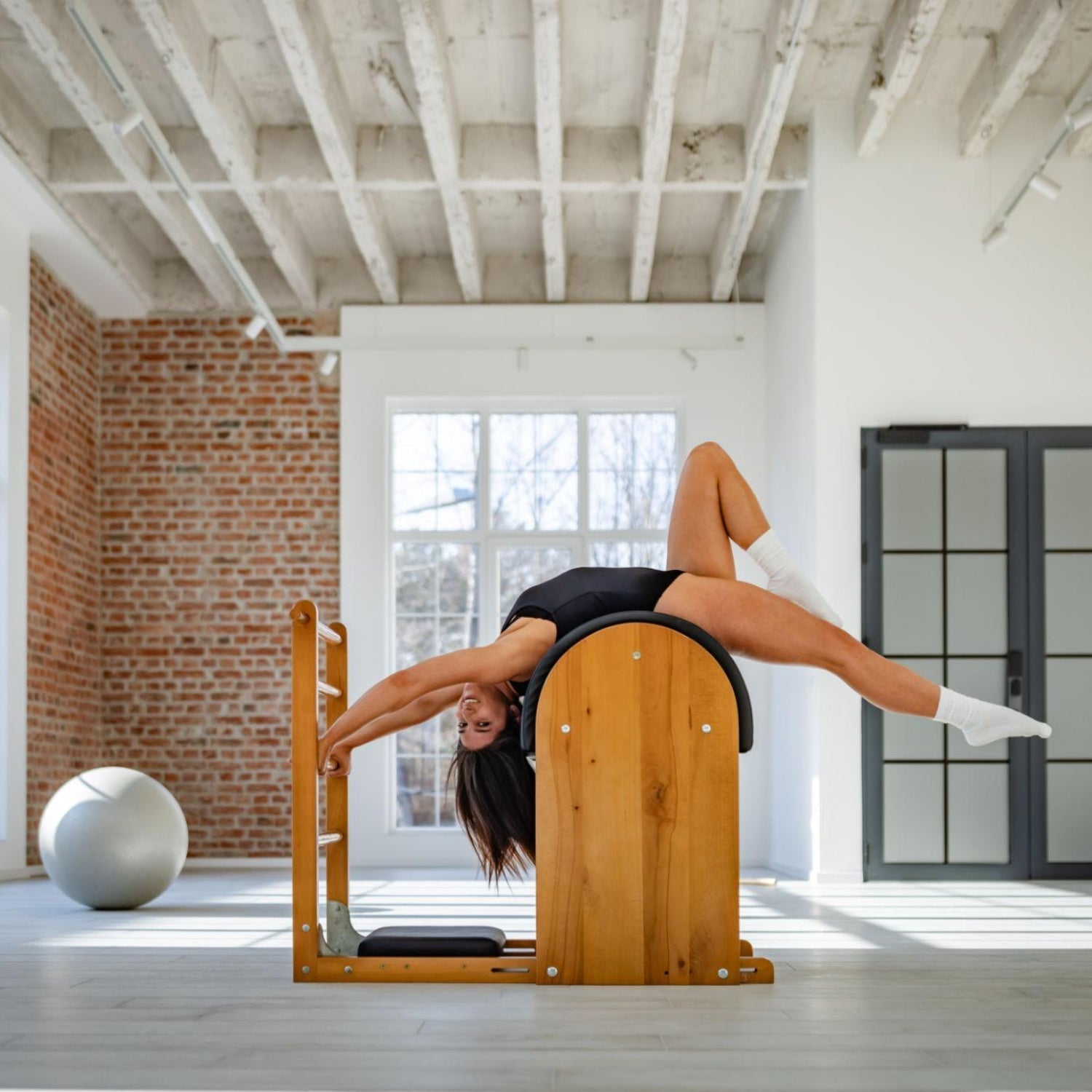
“Can people with diastasis recti do Pilates?” or “Should you do Pilates if you have diastasis recti?” this guide, including Reformer Pilates Machines, shows you how to support recovery safely.
Welcoming a new baby is a beautiful milestone, yet many mothers face the physical challenge of abdominal separation. You might be wondering if your body will feel strong again. This is a common concern, and you are not alone in your recovery.
Gentle, controlled movement is often what helps most during postnatal healing. By focusing on deep core engagement, you can rebuild strength from the inside out. This approach supports your body during a sensitive stage.
With regular, mindful practice, many people regain confidence in how their body feels and moves. This guide aims to give you a clear path to improving stability and overall wellbeing.
-----
The information provided in this blog is intended for general educational and informational purposes only and should not be considered medical, fitness, or professional advice.
Always consult with a qualified healthcare professional, physiotherapist, doctor, or licensed Pilates instructor before starting any new exercise programme, particularly if you have an existing injury, medical condition, pain, or health concerns.

Can people with diastasis recti do Pilates?
Understanding Diastasis Recti and the Role of the Core
What is Diastasis Recti Abdominis (DRA)?
Diastasis recti is when the muscles in your stomach separate along the midline. These muscles are often called the “six-pack”. The tissue between them can stretch and weaken.
This often happens during pregnancy due to pressure from the growing uterus. Hormones also play a role by softening connective tissue. While it is natural, it can leave your core feeling weak after birth.
How the Transverse Abdominis (TVA) Acts as a Natural Corset
The transverse abdominis is a deep core muscle that wraps around your torso. It acts like a natural corset.
Pilates focuses on activating this muscle to support your spine. Strengthening it helps improve stability and supports healing of the abdominal wall.
The Benefits of Using Pilates for Abdominal Separation
Improving Functional Core Tension Over "Closing the Gap"
Rather than only trying to “close the gap”, Pilates focuses on rebuilding strength. It helps create functional tension through the deep core muscles.
This allows your body to move more safely and efficiently in daily life.
Correcting Postpartum Posture and Pelvic Alignment
After pregnancy, posture often changes. Many women notice back discomfort or poor alignment.
Pilates helps bring the pelvis and spine back into better position. This can reduce strain on the lower back and shoulders. It also makes everyday tasks feel easier.
Strengthening the Pelvic Floor and Deep Stabilizers
Pilates works closely with the pelvic floor as well as the core. These muscles support each other.
Strengthening them together improves control and stability. It also supports long-term recovery after pregnancy.

Should you do Pilates if you have diastasis recti?
When Pilates Becomes Counterproductive: Exercises to Avoid
The Danger of "Doming" or "Coning" During Movement
A visible bulge along the midline is often called doming or coning. This is a sign of too much pressure in the abdomen.
If you notice this during movement, it is best to stop and adjust the exercise.
Why Traditional Crunches and Sit-ups Can Worsen the Gap
Crunches and sit-ups can place too much strain on the abdominal wall. They increase pressure in the core.
This may make the separation worse rather than help it heal. These exercises are best avoided in early recovery.
Managing Intra-Abdominal Pressure in Planks and Teasers
Movements like planks and teasers can be too intense at first. Without control, they increase pressure on the abdomen.
These should only be introduced gradually, once your core is stronger.
Essential Modifications for a Diastasis-Safe Practice
The Power of Breath: Lateral Rib Breathing vs. Bracing
Breathing plays an important role in Pilates. Lateral rib breathing supports the core without pushing outward.
Bracing, on the other hand, can increase pressure on the abdominal wall. Learning the right breathing pattern makes a big difference.
Using Props (Small Balls and Wedges) for Head and Neck Support
Small props can make exercises more comfortable. Cushions or balls help support your head and neck.
They also help you keep good alignment during movements.
Transitioning from Supine (Back) to Side-Lying and Quadruped Positions
As you progress, changing positions can reduce strain on the abdomen. Moving to side-lying or hands-and-knees positions is often more supportive.
This allows you to continue building strength in a safe way.
The Best Pilates Exercises for Healing Diastasis Recti
If you are exploring equipment-based options, you can view suitable setups here:
Pilates reformer machines
Top 5 Reformer and Mat Moves for Gentle Recovery
Pelvic Tilts for Deep Abdominal Connection
Pelvic tilts gently activate the lower abdominal muscles. They help you reconnect with your core.
Keep the movement slow and controlled. Focus on maintaining a neutral spine.
Heel Slides: Building Stability without Strain
Heel slides involve extending one leg slowly while keeping your core engaged.
This helps build stability without placing too much pressure on the abdomen.
Modified Bird-Dog for Spinal and Core Coordination
This exercise improves coordination between the spine and core. It also strengthens stabilising muscles.
Control is more important than speed here.
Femur Arcs (Toe Taps) for Lower Abdominal Control
Toe taps help strengthen the lower abdominal area. The key is steady, controlled movement.
Keep your core stable throughout the exercise.
Side-Lying Leg Series for Oblique and Hip Strength
Side-lying exercises strengthen the hips and obliques. These muscles support overall balance and stability.
They also reduce pressure on the abdominal midline.
A Progressive Timeline: From Postpartum to Advanced Flow
When to Get Medical Clearance (The 6-Week Rule)
Before starting any structured exercise, it is important to get medical clearance. This is often around six weeks after birth in the UK.
Always follow advice from your GP or physiotherapist.
Signs Your Core is Ready to Increase Resistance
As your strength improves, you may notice better control during movement. You may also see less doming and improved posture.
These are signs that you can begin to progress your exercises carefully.


