

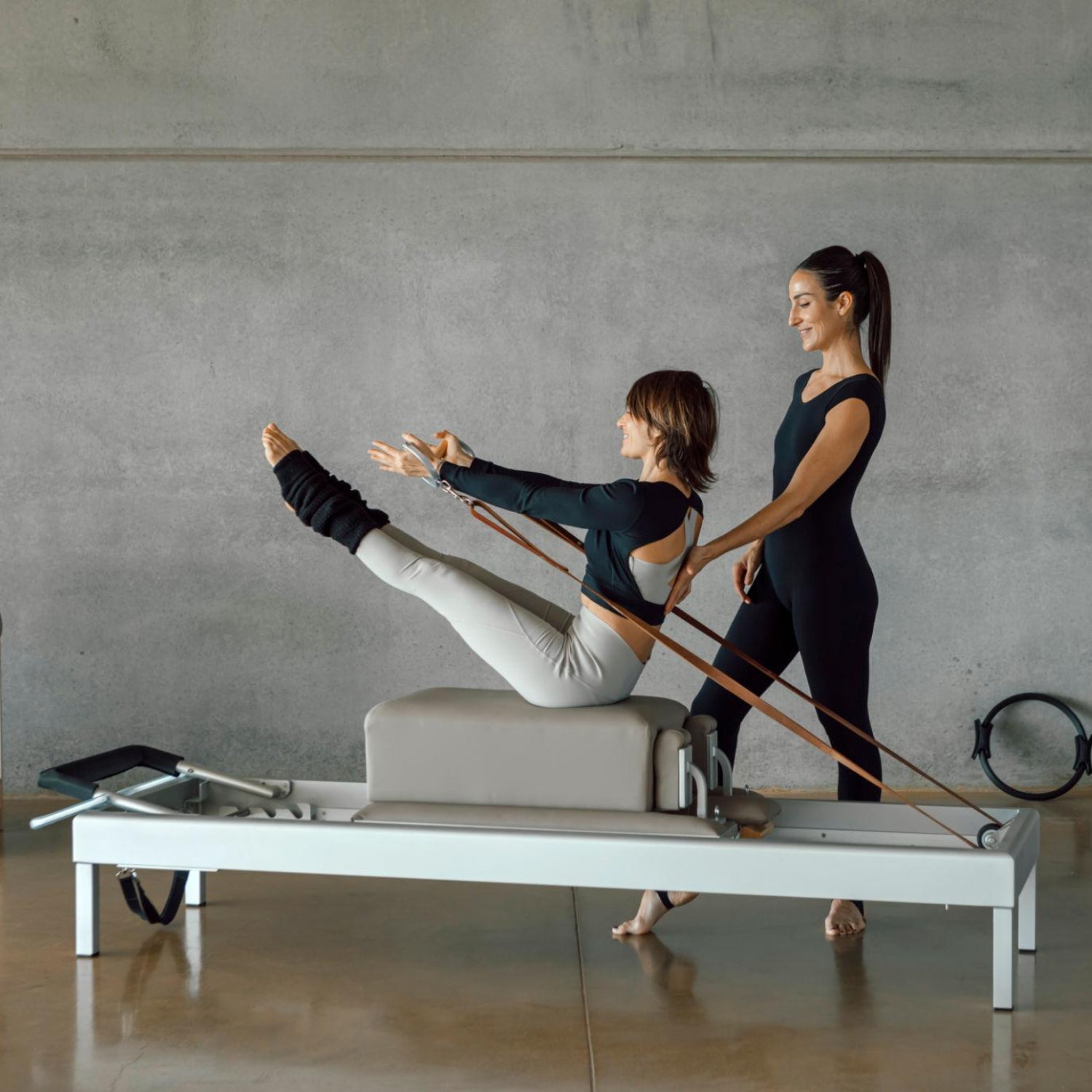
Pilates strengthens your pelvic floor and improves control. From mat work to Reformer Pilates Machines, it’s gentle but effective. Wondering, Is Pilates good for an overactive bladder? Keep reading.

Is Pilates good for an overactive bladder?
Many people in the UK live with pelvic floor issues. It can feel isolating, but it is more common than you might think. Gentle, controlled exercise offers a supportive way forward.
Pilates is often linked to better bladder control. It strengthens the muscles that support the bladder and nearby organs. Over time, this may reduce urgency, leaks, and discomfort.
Choosing Pilates for bladder health is a low-impact option. With regular practice, it can help you feel more stable and in control. You may also notice better awareness of how your body moves.
If you are exploring equipment options, you can view different setups like Reformer Pilates Machines here
Understanding the Mind-Body Connection in Bladder Control
Pilates is not only physical. It also builds awareness through controlled movement and breathing. This link between mind and body can support bladder control.
How "Centring" and Focus Can Reduce Urge Incontinence
Pilates teaches you to focus on your core during each movement. This helps you engage the pelvic floor more effectively. Over time, this can improve control during sudden urges.
The Impact of Stress and Anxiety on Bladder Frequency
Stress can increase how often you feel the need to urinate. Pilates encourages steady breathing and slower movement. This can help calm the body and reduce frequency.
Using Lateral Breathing to Calm the Nervous System
Pilates uses lateral breathing, where the ribs expand instead of the belly. This supports the core without placing pressure on the pelvic floor. It also helps settle the nervous system.
Pilates vs. Traditional Kegels: What’s the Difference?
Both Pilates and Kegels target the pelvic floor. However, Pilates takes a more complete approach.
Why Functional Movement Often Beats Isolated Squeezes
Kegels focus on isolated contractions. Pilates combines pelvic floor engagement with full-body movement. This helps train the muscles in real-life situations.
Integrating Pelvic Floor Contractions into Dynamic Exercises
Pilates teaches you to activate the pelvic floor while moving. This builds strength in a way that carries over into daily life.
The Science: How Core Stability Supports Bladder Health
A strong core supports the bladder and reduces pressure. Pilates is designed to build this deep stability.
The "Deep Core" Connection: Transverse Abdominis and the Pelvic Floor
The deep core includes the transverse abdominis and pelvic floor. These muscles work together like a natural support system. Strengthening them can improve bladder control.
Reducing Intra-Abdominal Pressure on the Bladder
Poor movement can increase pressure on the bladder. Pilates focuses on controlled movement and breath. This helps reduce unnecessary strain.
Improving Posture to Align Pelvic Organs
Posture affects how your organs sit within the body. Pilates improves alignment, which supports the bladder and pelvic floor.

Best Pilates Exercises for Strengthening a Weak Bladder
Pilates includes exercises that support the pelvic floor. These movements focus on control, alignment, and breathing.
Gentle Mat-Based Movements for Pelvic Power
These exercises are suitable for beginners. They can be done at home with little equipment.
The Pelvic Curl: Taping into the Posterior Chain
Also known as pelvic tilts or bridges, this movement improves spinal mobility. It strengthens the glutes and pelvic floor. It also supports overall stability.
Knee Openings (Bent Knee Fall-Outs) for Pelvic Stability
This exercise helps control hip movement while keeping the pelvis steady. It supports gentle activation of the pelvic floor.
Shoulder Bridge with Inner Thigh Engagement
The bridge strengthens the glutes and core. Adding inner thigh engagement increases pelvic floor support.
The Hundred: Building Endurance in the Deep Core
This classic Pilates exercise builds endurance in the deep core muscles. It also supports breath control.
Modifications for Stress Incontinence and Leaks
If you experience leaks, small changes can help.
Exercises to Avoid During a Flare-Up (High Impact vs. Low Impact)
Avoid high-impact movements that increase pressure on the pelvic floor. Focus on slower, low-impact exercises instead.
Using Props: How a Pilates Ball or Magic Circle Can Help
Props can provide support and feedback. They help you engage the right muscles more clearly.
Breath-work Timing: Exhaling on the Effort to Protect the Pelvic Floor
Exhaling during effort helps reduce pressure. This can protect the pelvic floor during exercise.
Creating a Sustainable Pilates Routine for Bladder Health
Building a routine takes time. Consistency is key.
Consistency and Expectations: When Will You See Results?
Regular practice helps strengthen the pelvic floor. Progress may feel gradual, but it builds over time.
The 12-Week Milestone: What the Research Says
Many people notice changes within 12 weeks. This depends on consistency and proper technique.
Daily vs. Weekly Practice: Finding a Realistic Schedule
Short, regular sessions are often more effective. Choose a routine that fits your lifestyle.
Lifestyle Synergy: Supporting Your Pilates Practice
Exercise works best alongside supportive habits.
Bladder-Friendly Nutrition and Hydration Tips
Staying hydrated is important. Some drinks may irritate the bladder, so it helps to notice patterns.
The Importance of Pelvic Floor Relaxation (Avoiding Hypertonicity)
Strength matters, but so does relaxation. Over-tightening the pelvic floor can cause discomfort.
When to Transition from Home Pilates to a Specialist
Sometimes, extra support is helpful.
Working with a Pelvic Floor Physiotherapist
A specialist can guide your technique. They can tailor exercises to your needs.
Recognising Symptoms That Require Medical Intervention
If symptoms continue or worsen, speak to a GP or physiotherapist. Early support can make a difference.
---------
The information provided in this blog is intended for general educational and informational purposes only and should not be considered medical, fitness, or professional advice.
Always consult with a qualified healthcare professional, physiotherapist, doctor, or licensed Pilates instructor before starting any new exercise programme, particularly if you have an existing injury, medical condition, pain, or health concerns.


