

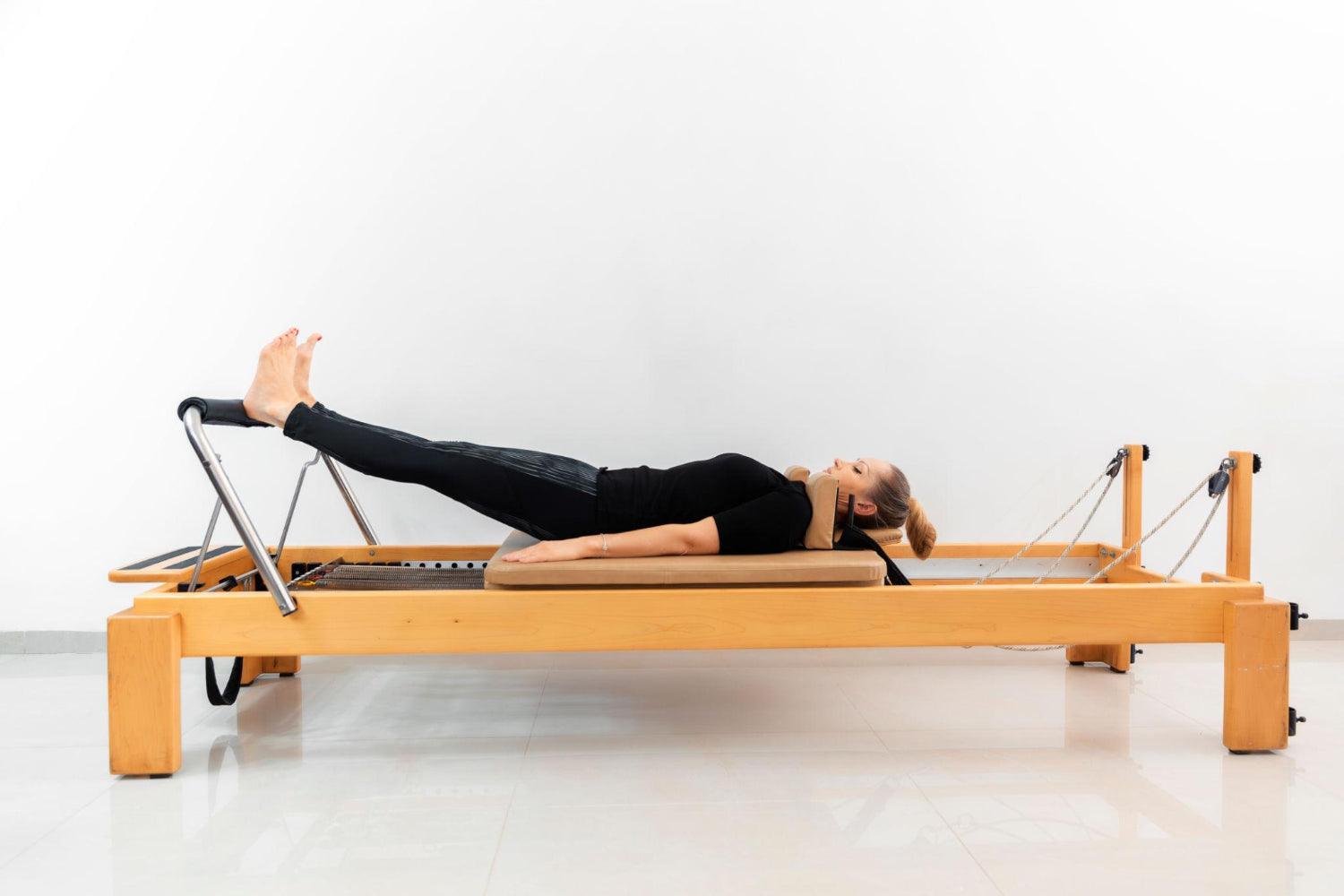
Reformer Pilates can support bone health by improving strength, balance, and stability. It uses controlled resistance rather than impact, which makes it appealing for many people. While it may not replace heavy strength training, it can play a useful role in a well-rounded routine.
As we age, keeping our bones strong becomes more important. Many people look for ways to stay active without putting stress on their joints.
You might wonder if this approach is enough to support bone health long term.
Understanding how it works helps you make better choices.

How Reformer Pilates Impacts Bone Mineral Density (BMD)
Your skeleton is not fixed. Bones are constantly being broken down and rebuilt through a process called remodelling.
Bone density refers to how much mineral, such as calcium, is stored in your bones. Higher levels mean stronger bones and a lower risk of fractures.
As you get older, this balance can shift. Bone loss may begin to outpace bone formation.
The Science of Osteoblastic Loading and Resistance
Understanding Wolff’s Law: How bones adapt to stress
There is a clear link between muscles and bones. When muscles contract against resistance, they pull on the bone.
This signals the body to strengthen it. This idea is often referred to as Wolff’s Law.
Over time, repeated stress encourages bones to adapt and stay strong.
How Reformer springs provide the "Mechanical Loading" necessary for bone growth
Reformer Pilates uses springs to create resistance. This makes muscles work harder during each movement.
That added demand creates mechanical loading, which supports bone health.
Although the load is lower than heavy lifting, it still provides a useful stimulus.
Weight-Bearing vs. Non-Weight-Bearing Reformer Movements
The role of footwork and standing exercises on the carriage
Footwork and standing exercises place load through the lower body.
These movements help stimulate the hips and legs, which are key areas for bone strength.
They also improve control and coordination.
Why resistance-based pulling is a "surrogate" for weight-bearing
Some exercises on the reformer are not fully weight-bearing.
However, pulling against resistance can mimic similar forces.
This makes it a suitable option for people who want a lower-impact approach.
Is Reformer Pilates enough for bone density?
Reformer Pilates can support bone health, but it is not the strongest stimulus on its own.
It works best as part of a broader approach that includes other forms of exercise.
Comparing Pilates to Heavy Strength Training
The limitations of low-impact resistance for maximal bone loading
Low-impact exercise places less force on the skeleton.
This makes it safer, but also less effective for building maximum bone density.
Heavier resistance training tends to produce a stronger response.
Why "Progressive Overload" is harder to achieve on a Reformer
Progressive overload means gradually increasing the challenge over time.
While reformer springs can be adjusted, the range is more limited.
This can make long-term progression slower compared to weight training.
Creating a Comprehensive Bone-Building Routine
Supplementing Pilates with walking and impact-based cardio
Adding walking or light impact exercise can help.
These activities increase loading through the bones in a natural way.
They also support overall fitness.
The importance of frequency: How many sessions per week for bone health?
Consistency matters more than intensity alone.
Two to three sessions per week can support strength and stability.
Regular movement helps maintain bone health over time.

Is reformer Pilates enough to prevent osteoporosis?
Reformer Pilates can support prevention, especially when started early.
However, it should not be the only strategy used.
Early Intervention: Pilates for Osteopenia
Catching bone loss early with core stability and alignment
Improving posture helps spread load evenly through the body.
This reduces strain on specific areas and supports long-term strength.
Beyond Density: Fall Prevention and Balance
Improving proprioception to reduce fracture risk
Reformer Pilates improves awareness of how your body moves.
This can help reduce the risk of falls.
Strengthening "stabiliser muscles" to protect the hips and spine
Stronger stabilising muscles support joints and the spine.
This added support lowers the chance of injury.
Is reformer Pilates ok for osteoporosis?
Reformer Pilates can be safe for people with osteoporosis when adapted properly.
It is important to focus on controlled and safe movements.
Critical Safety Modifications and the "No-Twist" Rule
Why spinal flexion (crunches/curls) is risky for osteoporotic spines
Movements that involve bending the spine forward can place stress on weak areas.
This may increase the risk of fractures.
Safe alternatives: Focusing on spinal extension and neutral spine
Exercises that keep the spine neutral are safer.
Gentle extension work can help strengthen the back without strain.
Finding the Right Instructor and Clinical Pilates
The difference between fitness Pilates and "Bone-Safe" or "Buff Bones" protocols
Working with a qualified instructor is important.
Some programmes are designed specifically for bone health and safety.
You can explore equipment options like a Pilates reformer machine.
What is better for osteoporosis, Pilates or yoga?
Both Pilates and yoga offer benefits.
They simply focus on different aspects of movement.
Comparing the Mechanics of Pilates vs. Yoga
Dynamic resistance (Pilates) vs. Isometric holds (Yoga)
Pilates uses controlled resistance through movement.
Yoga often focuses on holding positions for longer periods.
Flexibility vs. Functional Strength: Which protects bones better?
Strength and stability are key for protecting bones.
Flexibility supports movement, but does not provide the same level of protection.
The Verdict: Can You Do Both?
How to hybridise your routine for optimal skeletal health
Combining both approaches can be useful.
Strength, balance, and mobility all play a role in long-term health.
Best Reformer Pilates Exercises for Bone Health
Lower Body Power: Footwork and Leg Press
These exercises load the lower body in a controlled way.
They help build strength around the hips and legs.
Upper Body Strength: Arm Work and Chest Expansion
Upper body movements improve posture and support the spine.
They also build strength through the shoulders and back.
Posterior Chain Focus: Bridging and Swan Prep
These exercises target the back and hips.
They are important for posture and spinal support.
Summary: A Proactive Approach to Bone Longevity
Reformer Pilates offers a low-impact way to support bone health.
It improves strength, balance, and control.
This helps you stay active and independent as you age.
Nutrition and Lifestyle Factors for Bone Support
The role of Calcium, Vitamin D, and Protein
Nutrition plays a key role in bone health.
Calcium supports structure, vitamin D helps absorption, and protein aids repair.
Next Steps: Starting Your Reformer Journey Safely
Start with guided sessions if possible.
Focus on control, consistency, and proper technique.
This approach helps you build strength safely over time.
----------
The information provided in this blog is intended for general educational and informational purposes only and should not be considered medical, fitness, or professional advice.
Always consult with a qualified healthcare professional, physiotherapist, doctor, or licensed Pilates instructor before starting any new exercise programme, particularly if you have an existing injury, medical condition, pain, or health concerns.


