

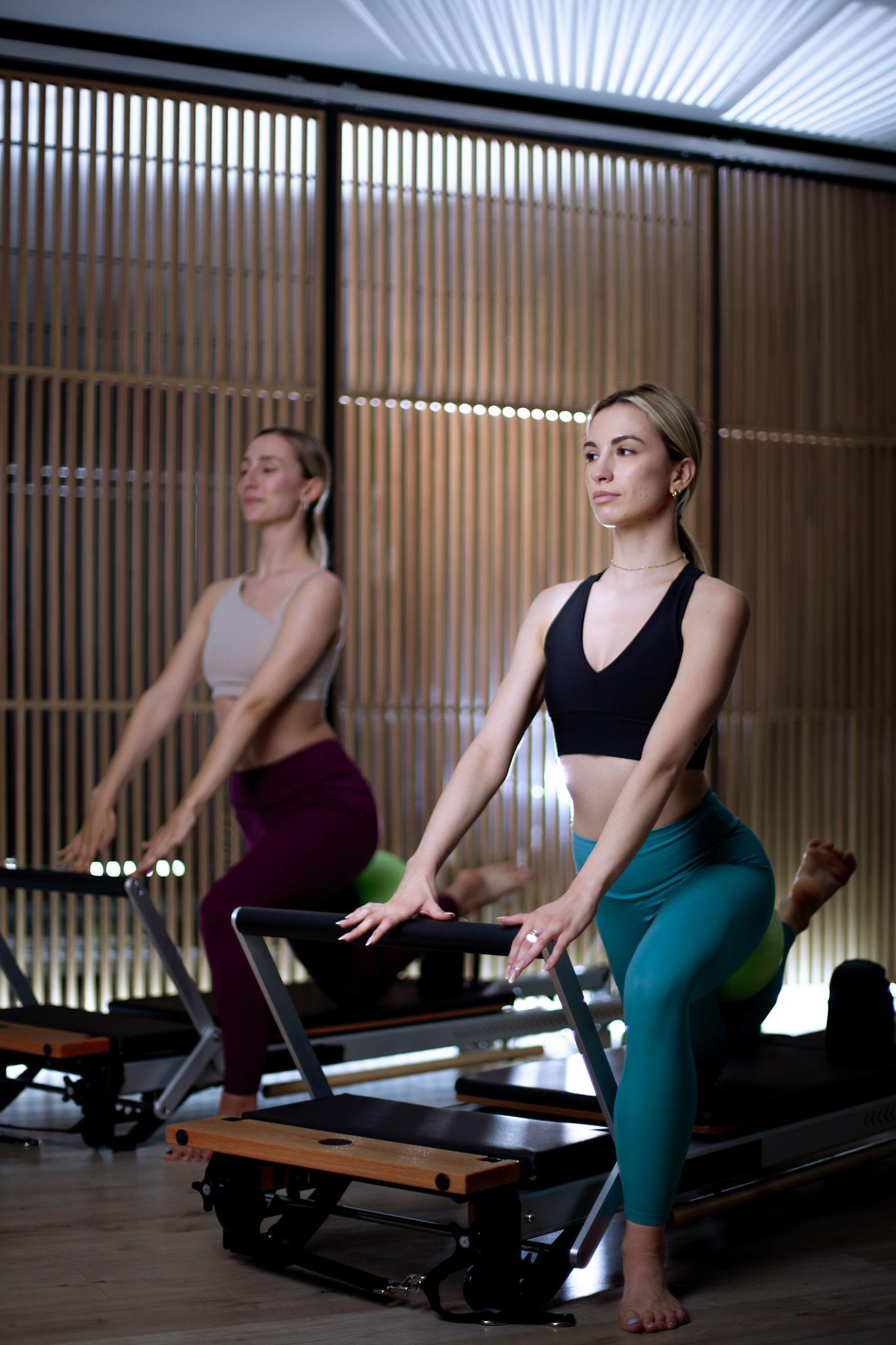
Many people now look towards low-impact movement to manage their cardiovascular health. You might wonder, Is Reformer Pilates good for high blood pressure?
Reformer Pilates uses specialised equipment to build strength and improve circulation without placing too much strain on your heart.
Medical experts and fitness trainers continue to explore the link between reformer Pilates and blood pressure management. By focusing on controlled breathing and steady muscle engagement, this approach offers a gentle way to support long-term heart health.

Can reformer Pilates lower blood pressure?
Moving your body regularly is one of the simplest ways to manage high blood pressure. Exercise helps your heart pump blood more efficiently, which reduces pressure on your arteries.
Low-impact activities such as Pilates are particularly helpful. They support circulation, improve vascular health, and help manage stress levels, all of which play a role in blood pressure control.
If you are exploring equipment options, you can view a range of Reformer Pilates Machines here.
The Science Behind Reformer Pilates and Hypertension
Reformer Pilates combines resistance, breath control, and precise movement. These elements work together to support cardiovascular health without placing excessive strain on the body.
Improving Vascular Function and Flow-Mediated Dilation (FMD)
Exercise helps keep blood vessels flexible and responsive. Improved circulation allows blood to move more freely, reducing pressure on arterial walls.
The Role of Resistance Training in Heart Health
The Reformer uses springs to provide controlled resistance. This strengthens muscles without overloading the cardiovascular system, which makes it suitable for people managing hypertension.
Impact on Systolic and Diastolic Measurements
Consistent movement and improved circulation can support more stable blood pressure readings over time.
How Breath-work Affects the Nervous System
Breathing plays a central role in Pilates and directly affects heart rate and stress levels.
Activating the Parasympathetic Nervous System
Controlled breathing encourages relaxation and reduces the body’s stress response. This helps regulate heart function and supports lower blood pressure.
Using Lateral Breathing to Reduce Physiological Stress
Pilates focuses on steady, lateral breathing patterns. This can calm the nervous system and reduce overall physiological stress.
Long-term vs. Acute Effects on Cardiovascular Health
The benefits of Pilates build gradually with consistent practice. Short-term effects may feel subtle, but long-term improvements are more meaningful.
What Happens to Your Blood Pressure Immediately After a Class?
During a session, your heart rate may rise slightly. After the class, it often returns to a calmer state due to controlled breathing and low-impact intensity.
Sustained Benefits After 12 Weeks of Consistent Practice
Regular sessions can improve circulation, reduce stress, and support overall cardiovascular health over time.

Key Benefits of Reformer Pilates for Hypertensive Individuals
Low-impact exercise supports better cardiovascular function and provides a sustainable way to stay active. It is also easier to maintain compared to high-intensity routines.
Low-Impact Resistance and Heart Strain
Reformer Pilates offers resistance without placing excessive pressure on the heart. This makes it suitable for a wide range of fitness levels.
Why the Reformer is Safer than High-Intensity Interval Training (HIIT)
High-intensity workouts can raise blood pressure quickly. In contrast, Pilates allows for steady and controlled movement, which is easier to manage.
Managing Heart Rate Variability (HRV) During Exercise
Gentle and consistent exercise helps maintain a steady heart rate. This supports overall cardiovascular balance and reduces unnecessary strain.
Body Composition and Metabolic Risk Factors
Exercise plays an important role in managing weight and metabolic health. Both are closely linked to blood pressure levels.
Reducing Body Fat Percentage and BMI
Regular movement supports weight management. Even small improvements can positively affect blood pressure.
Strengthening the Heart Muscle Through Controlled Movement
Improved muscle strength supports better circulation and overall heart efficiency. This contributes to long-term cardiovascular health.
Stress Reduction and Mental Wellbeing
Stress is a major contributor to high blood pressure. Managing it effectively can make a noticeable difference.
Reducing Anxiety-Induced Spikes in Blood Pressure
Pilates helps lower stress through movement and breathing. This can reduce sudden increases in blood pressure.
The Mind-Body Connection in Hypertension Management
The focus on awareness and control supports both physical and mental health. This balance is important for long-term wellbeing.
If you are looking for more options beyond reformers, you can explore a full range of Pilates machines here.
How to Practice Reformer Pilates Safely with High Blood Pressure
Adding low-impact exercise to your routine can support heart health. However, safety should always come first.
Essential Modifications for High Blood Pressure
Controlling intensity and technique is key when exercising with hypertension. Small adjustments can make a big difference.
Avoiding Prolonged Inversions and "Head Below Heart" Positions
Certain positions may increase pressure temporarily. These should be approached with caution or avoided where possible.
The Importance of Avoiding the Valsalva Manoeuvre (Holding Your Breath)
Holding your breath during effort can raise blood pressure. Focus on steady breathing throughout each movement.
Monitoring Intensity Levels on the Reformer Carriage
Adjust resistance and pace to stay within a comfortable range. This helps maintain safe and effective sessions.
Who Should Consult a Doctor Before Starting?
It is always best to seek medical advice before starting a new fitness routine, especially with existing health conditions.
Understanding Medicated Hypertension and Exercise
Medication can affect how your body responds to exercise. Professional guidance ensures you stay within safe limits.
Recognising Warning Signs During a Session
Stop exercising if you feel dizzy, lightheaded, or unwell. Listening to your body is essential for safe progress.
-----------
The information provided in this blog is intended for general educational and informational purposes only and should not be considered medical, fitness, or professional advice.
Always consult with a qualified healthcare professional, physiotherapist, doctor, or licensed Pilates instructor before starting any new exercise programme, particularly if you have an existing injury, medical condition, pain, or health concerns.


