

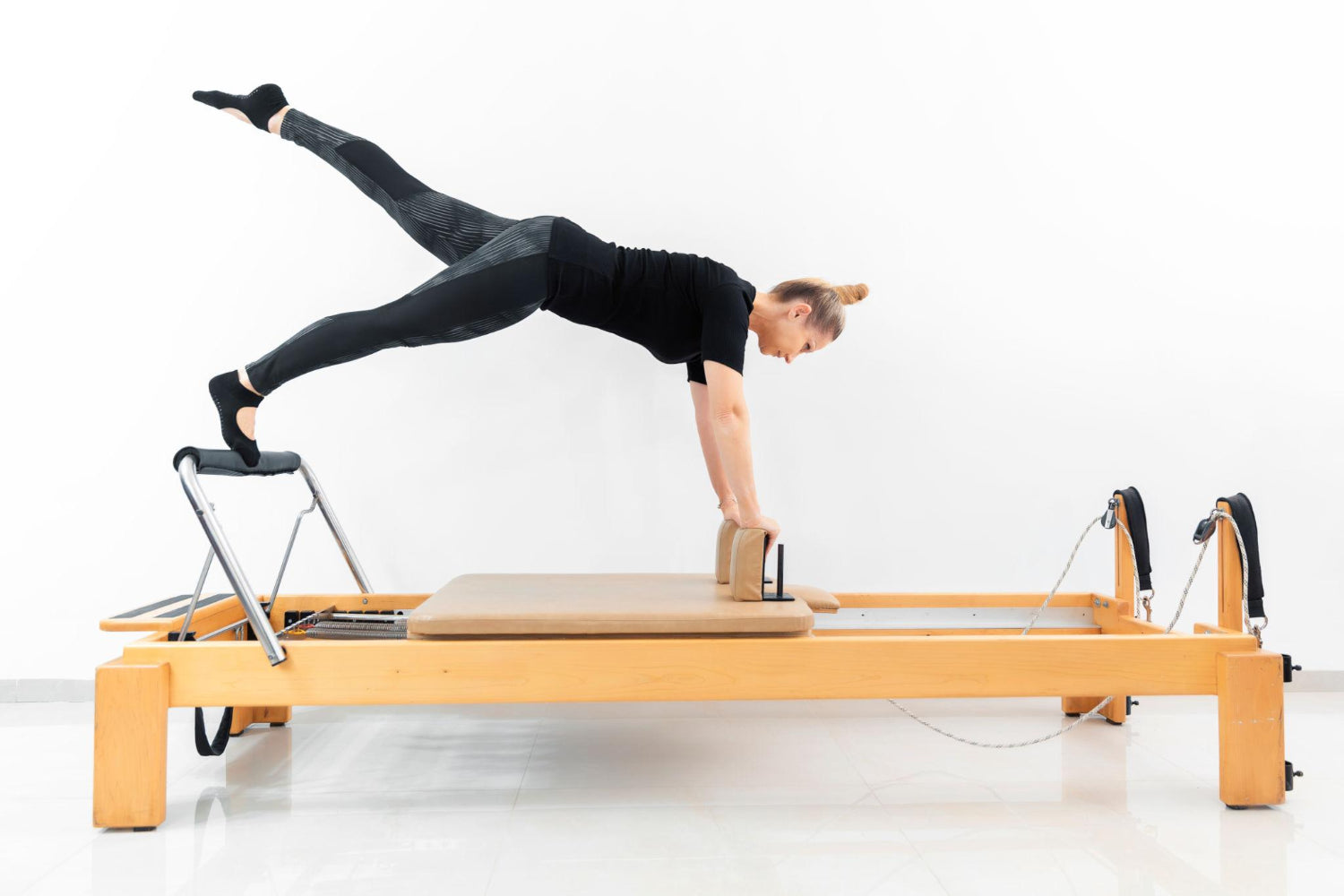
Ever tried a workout that looks easy… until it completely humbles you? That is reformer Pilates.
It is amazing for core strength, posture, flexibility, and low-impact fitness, offering so much more than a typical workout. Keep reading to see why so many people stick with it.

Understanding the Reformer: More Than Just a "Scary" Machine
In the UK, reformer Pilates is becoming more common in studios and gyms. Many people are curious at first, especially when they see the machine.
It may look complicated, but it is designed to support your body while adding resistance. This combination is what makes it so effective.
How the Springs, Straps, and Carriage Work
Adjustable Resistance: Why It Beats Bodyweight Alone
The equipment uses springs and pulleys to create adjustable resistance. This means you can change the difficulty easily.
Compared to bodyweight exercises, this allows more control and progression. It also makes workouts more varied and engaging.
The Sliding Carriage: Challenging Your Stability
The carriage moves along a track, which creates an unstable surface. This forces your body to stay balanced throughout each movement.
Smaller stabilising muscles are activated, especially around the core and spine.
Reformer Pilates vs. Mat Pilates: Which Is Better?
Why the Reformer Offers Faster Results for Strength
Many people compare reformer Pilates to mat Pilates. One key difference is the added resistance from the springs.
This can help build strength more efficiently over time.
Machine Support vs. Floor-Based Gravity
Mat Pilates relies on gravity and bodyweight. The reformer adds both support and resistance.
This makes movements easier to control while still being challenging.

The Core Physical Benefits of Reformer Pilates
Developing "Bulletproof" Core Strength and Stability
Targeting the Deep Transverse Abdominis (TVA)
One of the main benefits is the focus on deep core muscles. The moving carriage means your body must stay stable at all times.
This activates the transverse abdominis, which supports the spine.
Improving Pelvic Floor Health
The slow and controlled movements also engage the pelvic floor. Over time, this helps improve stability and control.
This is useful for everyday movement and injury prevention.
Correcting Posture and Spinal Alignment
Relief for "Tech Neck" and Sedentary Stiffness
Long hours at a desk can lead to poor posture. Reformer Pilates helps open the chest and strengthen the upper back.
This can reduce stiffness and tension linked to screen time.
Building a Stronger Back to Reduce Chronic Pain
Lower back pain often comes from weak support muscles. Strengthening these areas helps protect the spine.
With regular practice, many people notice less discomfort.
Dynamic Flexibility and Muscle Toning
Eccentric Loading: The Secret to Long, Lean Muscles
Controlled movements against resistance help lengthen the muscles. This is known as eccentric loading.
It creates strength without adding bulk, which many people prefer.
Increasing Range of Motion in Hips and Shoulders
The machine allows full-range movement while muscles stay under tension. This improves flexibility and joint mobility.
Tight areas such as hips and shoulders often benefit the most.
Low-Impact Cardio and Weight Management
Can You Lose Weight with Reformer Pilates?
Reformer Pilates can support weight management. It builds muscle and improves overall fitness levels.
While it is not high-intensity cardio, it still contributes to calorie burn.
Sustaining Heart Rate Without Joint Strain
Because it is low-impact, it is easier on the joints. This allows consistent training without added stress.
It is a good option for people who want to stay active long term.
Why It’s "Actually" Good for Specific Lifestyles
Injury Rehabilitation and Prevention
Why Physiotherapists Recommend the Reformer for Knee and Hip Rehab
Reformer Pilates is often used during recovery. The adjustable resistance allows a gradual return to movement.
This makes it suitable for knee and hip rehabilitation.
Balancing Muscle Asymmetry in Athletes
The exercises help correct imbalances between muscle groups. This can improve performance and reduce injury risk.
Athletes often use it alongside their main training.
Mental Clarity and the Mind-Body Connection
Precision and Concentration: The "Moving Meditation"
The focus required during each movement encourages concentration. Many people find it calming.
It can feel like a form of moving meditation.
Using Breath-work to Regulate the Nervous System
Breathing is built into each exercise. This helps reduce stress and improve mental clarity.
It also supports better control during movement.
Accessibility: Is It Good for Beginners and Seniors?
How the Machine Assists Limited Mobility
The reformer provides support through straps and springs. This makes exercises more accessible.
It is suitable for beginners and those with limited mobility.
Scaling Intensity for Advanced Practitioners
At the same time, resistance can be increased. This allows more experienced users to be challenged.
It works well across different fitness levels.
Key Takeaways
- Uses spring-loaded resistance to improve muscle engagement
- Offers more support than mat-based routines
- Helps build core strength and improve posture
- Low-impact and suitable for regular use
- Improves flexibility and body awareness
If you are considering trying it, exploring different types of reformers can help you get started. You can browse a range of Pilates reformer machines here.
-------
The information provided in this blog is intended for general educational and informational purposes only and should not be considered medical, fitness, or professional advice.
Always consult with a qualified healthcare professional, physiotherapist, doctor, or licensed Pilates instructor before starting any new exercise programme, particularly if you have an existing injury, medical condition, pain, or health concerns.


