

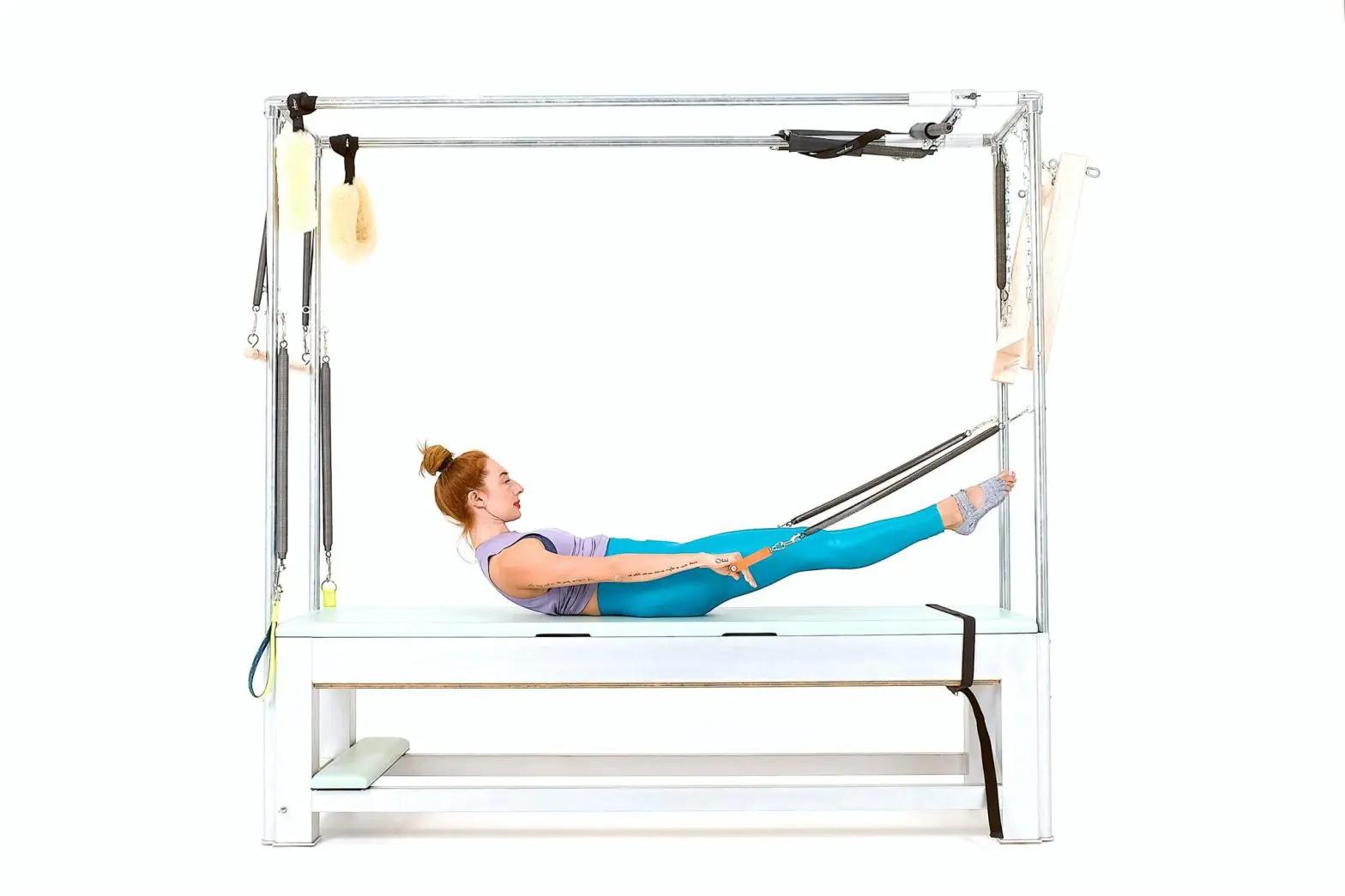
Many people wonder if Pilates is good for blood circulation. While it is often linked to core strength, it offers more than just toned muscles.
It works deep muscle groups that are often missed during long desk days, helping stimulate your body in a different way. Improving blood flow with Pilates can also support daily energy levels.
Whether you are new to Pilates or more experienced, these exercises are a steady and sustainable way to support your wellbeing.
You can explore options like these Reformer Pilates Machines or browse a wider range of Pilates machines to support your practice at home or in a studio.

How Pilates Directly Improves Blood Circulation
Pilates uses controlled, steady movements that work the whole body. It combines breathing with motion to help the heart pump more efficiently.
Working the core helps stabilise the body and allows for deeper breathing. This improves oxygen intake, which supports better blood flow.
The Power of Diaphragmatic Breathing and Oxygenation
Breathing plays a big role in circulation during Pilates. Deep, controlled breaths act as a second pump for your blood and lymph systems.
This helps move blood back towards the heart while also calming the nervous system.
Increasing Lung Capacity for Better Oxygen Exchange
Deep breathing increases lung capacity and improves oxygen delivery around the body.
This supports circulation and helps you feel more energised.
How Deep Breath-work Acts as a Pump for the Circulatory System
Each breath creates small pressure changes inside the body. These help move blood and lymph fluid more effectively.
This process supports healthy circulation without added strain.
Muscle Activation and the "Muscle Pump" Effect
Understanding how Pilates helps circulation starts with muscle engagement. Exercises like leg circles and footwork act as a natural pump.
They help push blood back towards the heart.
Strengthening the Calves to Assist Venous Return
The calf muscles play a key role in circulation. They help push blood upwards against gravity.
Activating them regularly can reduce pooling in the lower legs.
Engaging the Core to Support Central Blood Flow
Core engagement supports posture and stability.
It also helps blood move more efficiently through the centre of the body.
Fluidity and Movement Flow
Pilates focuses on smooth, continuous movement. This helps keep blood flowing rather than sitting still.
Reducing Blood Pooling Through Continuous Motion
Gentle, repeated movement helps prevent blood from collecting in the limbs.
This is useful if you spend long hours sitting.
Enhancing Vessel Flexibility with Dynamic Stretching
Stretching releases muscle tension and improves flexibility.
This creates more space for blood to move freely.

Specific Benefits of Pilates for Vascular and Systemic Health
Regular Pilates practice shows clear benefits over time.
You may notice improved energy as your body receives better circulation. It can also support blood pressure and heart health.
Supporting Vein Health and Preventing Varicose Veins
Better circulation helps reduce pressure within the veins.
This may support long-term vein health.
Managing Symptoms of Chronic Venous Insufficiency (CVI)
Gentle movement may help manage symptoms linked to poor circulation.
It supports flow without placing stress on joints.
Using Inversions and Leg Elevations to Reduce Leg Swelling
Exercises that lift the legs can help blood return to the heart.
This may reduce swelling and discomfort.
Pilates and the Lymphatic System
Pilates also supports the lymphatic system, which helps remove waste from the body.
Stimulating Lymphatic Drainage to Flush Toxins
Controlled movement and breathing encourage lymph flow.
This supports the body’s natural cleansing process.
Reducing Systemic Inflammation Through Rhythmic Movement
Steady, repeated movement may help reduce inflammation over time.
This supports overall health and recovery.
Impact on Cardiorespiratory Fitness and Heart Health
Pilates links movement with breathing in a way that supports heart function.
It offers a low-impact way to stay active.
Improving VO2 Max and Heart Rate Variability (HRV)
Regular practice may support better oxygen use and heart rhythm balance.
This can improve endurance over time.
The Role of Low-Impact Exercise in Lowering Blood Pressure
Pilates is gentle on the joints while still effective.
It may help support healthy blood pressure levels.
Best Pilates Exercises for Better Circulation
Adding Pilates to your routine can support better blood flow.
Combining breath, movement, and stretching helps keep circulation steady.
Essential Mat Pilates Moves for Blood Flow
These simple exercises can help improve circulation.
The Hundred: Pumping Blood to the Extremities
This exercise uses steady arm pulses and controlled breathing.
It helps stimulate circulation throughout the body.
Leg Circles: Enhancing Hip and Lower Limb Circulation
Leg circles improve mobility and support blood flow in the lower body.
They also help maintain joint health.
Spine Stretch Forward: Decompressing for Improved Flow
This movement reduces tension in the spine.
It allows blood to move more freely.
Utilising Pilates Equipment for Vascular Support
Using equipment adds resistance and support.
This can further improve circulation and muscle engagement.
If you are looking to upgrade your setup, you can also explore Pilates on machines for more advanced options.
Reformer Footwork: Building the "Second Heart" in the Calves
Footwork exercises activate the calf muscles, often called the body’s “second heart”.
This helps push blood back towards the heart.
Using Spring Resistance to Stimulate Deep Tissue Circulation
Spring resistance challenges muscles in a controlled way.
This supports deeper circulation and overall strength.
-------
The information provided in this blog is intended for general educational and informational purposes only and should not be considered medical, fitness, or professional advice.
Always consult with a qualified healthcare professional, physiotherapist, doctor, or licensed Pilates instructor before starting any new exercise programme, particularly if you have an existing injury, medical condition, pain, or health concerns.


