

Can Pilates flatten your belly?
Yes, but not how you might think! Pilates strengthens deep core muscles rather than simply burning fat.
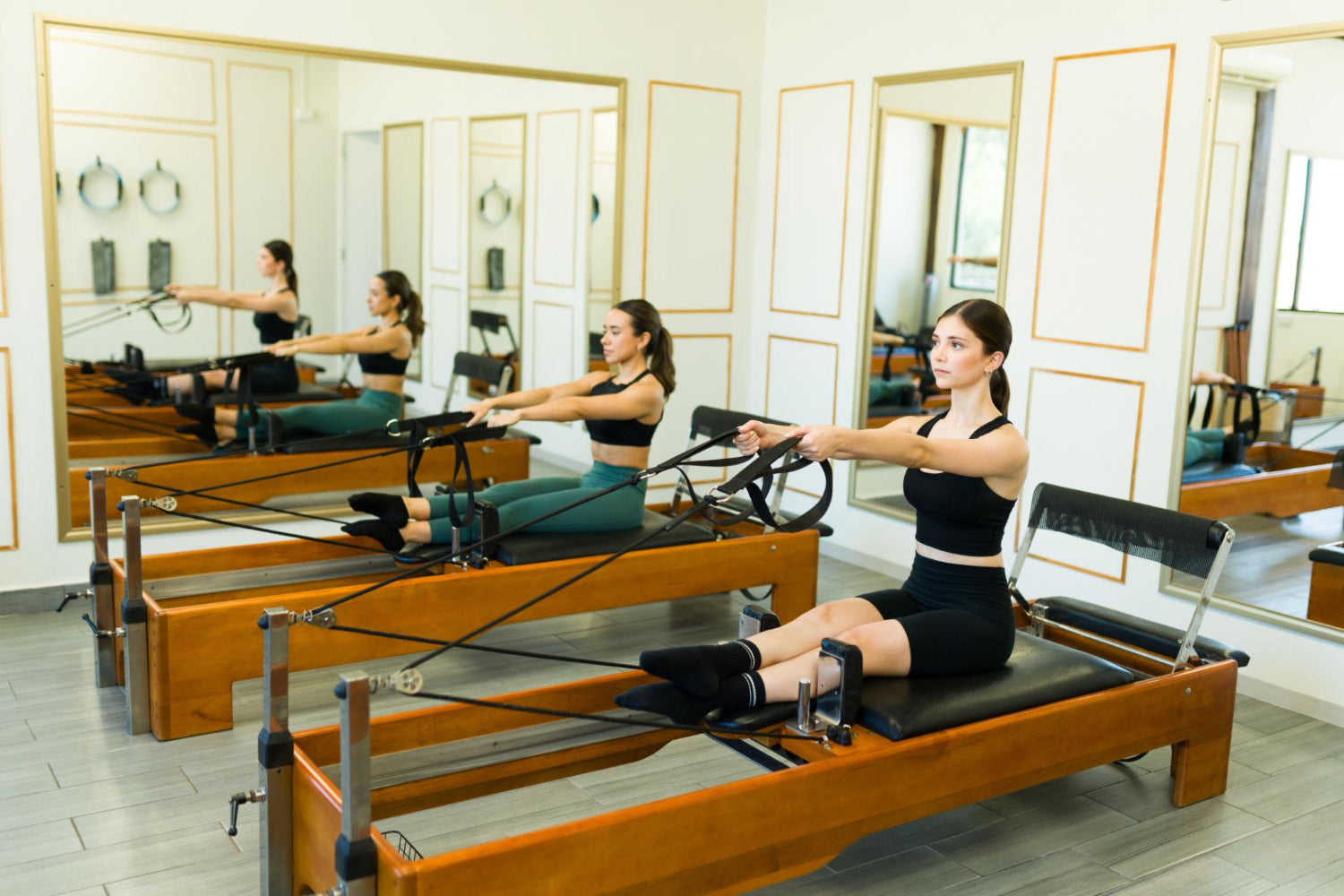
Using Reformer Pilates Machines, you will see why results go beyond crunches. Keep reading to understand how it really works.

How Pilates Actually Affects Your Midsection
The "Corset Effect": Strengthening the Transverse Abdominis
Pilates works by engaging the deepest layers of your core. These muscles act like a natural corset. They gently pull your abdomen inward while supporting your spine.
Beyond the "Six-Pack": Understanding Deep Core Layers
Your core is more than just the visible six-pack muscles. It includes the transverse abdominis, pelvic floor, and multifidus muscles along your spine. These muscles support posture and stabilise your body.
Weak core muscles can affect your posture. This can make your midsection appear less toned than it really is. Strengthening these deeper muscles helps create a flatter and more supported shape over time.
Improving Posture to Instantly Look Leaner
Better posture can quickly change how your midsection looks. Standing taller and aligning your spine reduces the appearance of a protruding stomach.
Pilates helps train your body to hold this position naturally. Over time, this becomes second nature in daily life.
Can You Spot-Reduce Belly Fat with Pilates?
The Science of Subcutaneous vs. Visceral Fat
Pilates helps strengthen and tone muscles, but it does not directly target fat in one specific area. Belly fat includes subcutaneous fat under the skin and visceral fat around your organs.
These are reduced through overall lifestyle habits, not isolated exercises.
Why Movement Alone Is Not Enough for Fat Loss
Exercise alone is not always enough to lose fat. Pilates improves muscle tone and awareness, but fat loss depends on a consistent calorie balance.
This is why combining movement with nutrition is important for visible results.
Mat Pilates vs. Reformer: Which Is Better for a Flat Stomach?
Resistance Training and Basal Metabolic Rate (BMR)
Mat Pilates uses your bodyweight, while reformer Pilates adds spring-based resistance. This extra resistance increases muscle engagement.
Over time, this can support a higher metabolic rate and improved strength.
Caloric Burn: Mat vs. Reformer Sessions
Reformer sessions often feel more challenging due to controlled resistance and full-body involvement. This may lead to a slightly higher calorie burn compared to mat sessions.
If you are exploring options, you can view different setups here Reformer Pilates Machines.
Both approaches are effective when practised consistently.

Healing the Core Post-Pregnancy
Pilates is often recommended for rebuilding strength after pregnancy. It uses slow and controlled movements that support recovery without strain.
Addressing Diastasis Recti (Abdominal Separation)
Gentle core exercises can help reconnect the abdominal muscles. This is especially helpful for those experiencing diastasis recti.
Proper guidance is important to ensure exercises are safe and effective. Always consult your doctor or physician.
Pelvic Floor Stability and Lower Abdominal Support
Pilates strengthens the pelvic floor alongside the deep core muscles. This creates better support for the lower abdomen.
It can also improve stability and control during daily movements.
Targeted Movements for the Lower Belly
Low-Impact Exercises for Safe Recovery
Movements such as leg slides, toe taps, and supported planks help engage the lower abdominal area. These exercises are gentle but effective.
They can be adjusted based on your current strength and comfort level.
Mind-Muscle Connection: Activating Weakened Muscles
Pilates focuses on control and awareness. This helps you activate muscles that may have weakened over time.
A stronger connection leads to better engagement and more noticeable results.
Maximising Results: Combining Pilates with Lifestyle
The Role of Nutrition in Revealing Abs
To achieve a flatter midsection, nutrition plays an important role alongside exercise.
Creating a Sustainable Caloric Deficit
Eating whole foods such as lean proteins, vegetables, and complex carbohydrates supports recovery. Maintaining a slight calorie deficit helps reduce overall body fat.
This is key for revealing muscle definition.
Reducing Bloating Through Hydration and Diet
Drinking enough water supports digestion and reduces bloating. Limiting highly processed foods can also help.
These small changes can make your stomach feel and look flatter.
Supplementing with Cardiovascular Exercise
Why Pilates + Cardio Is the "Golden Ratio" for Fat Loss
Adding activities like walking, swimming, or cycling increases calorie burn. Combining cardio with Pilates improves both fitness and body composition.
This balance supports long-term progress.
Consistency and Recovery: How Often Should You Practice?
Consistency matters more than intensity. Regular sessions, combined with proper rest, allow your body to improve over time.
Small, steady habits tend to deliver the best results.
-------
The information provided in this blog is intended for general educational and informational purposes only and should not be considered medical, fitness, or professional advice.
Always consult with a qualified healthcare professional, physiotherapist, doctor, or licensed Pilates instructor before starting any new exercise programme, particularly if you have an existing injury, medical condition, pain, or health concerns.


