

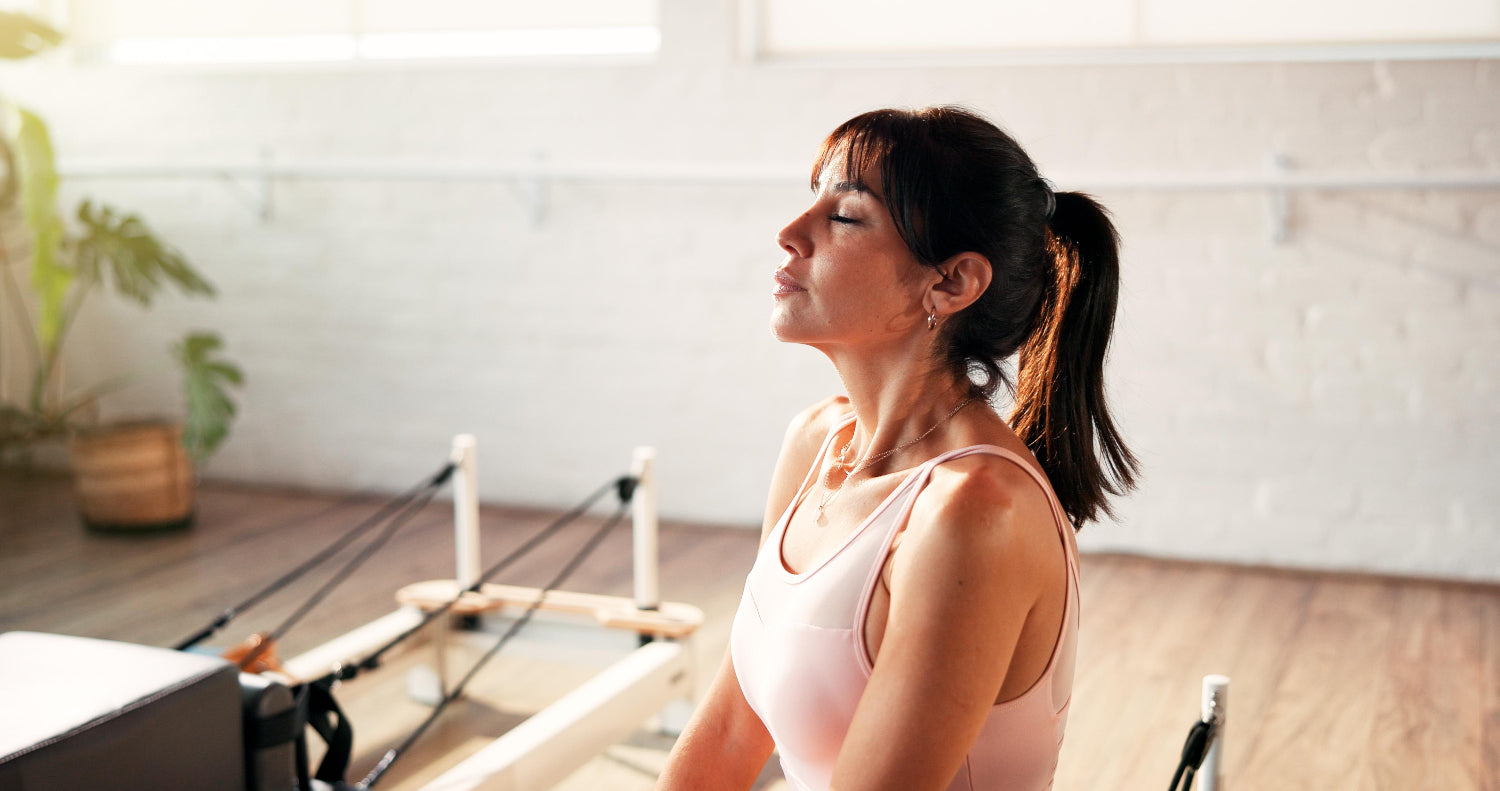
Many people now look at how low-impact exercise affects the nervous system. You might wonder if certain movements can help manage stress.
Understanding how Pilates supports the vagus nerve is useful if you want a more holistic approach to health. The focus on breathing and control helps support this system. Over time, this can improve how your body responds to stress.

Does Pilates stimulate the vagus nerve?
Pilates does more than build strength. It connects directly with the nervous system through breath and movement. By engaging the diaphragm and using thoracic breathing, Pilates helps stimulate the parasympathetic nervous system.
This is the system responsible for helping your body relax and recover.
The Diaphragm: Your Physical Link to the Vagus Nerve
The vagus nerve acts like a communication pathway between your brain and organs. It plays a key role in relaxation, digestion, and heart rate.
The diaphragm sits close to this pathway. This is why breathing techniques are so effective.
How Diaphragmatic Exhalation "Massages" the Nerve
Slow, controlled exhalation gently stimulates the vagus nerve. This creates a calming effect in the body.
Over time, this can help lower your heart rate and reduce stress.
Lateral Rib Cage Breathing vs. Belly Breathing: Finding the Balance
Pilates uses lateral rib cage breathing rather than just belly breathing. This keeps the core active while allowing the lungs to expand.
It supports both stability and relaxation at the same time.
Shifting from "Fight or Flight" to "Rest and Digest"
Pilates helps move the body out of stress mode. It creates a steady rhythm that signals safety to the brain.
The Role of the Parasympathetic Nervous System in Recovery
The parasympathetic nervous system controls rest and recovery. When activated, it slows the heart rate and improves digestion.
Pilates supports this through breath and controlled movement.
How Precision and Control Lower Cortisol Levels
Slow, precise movements help reduce cortisol levels. This is the hormone linked to stress.
As your body feels more stable, it becomes easier to relax.
Core Stability and the Sense of Physical Safety
Building core strength does more than improve posture. It also helps your body feel secure.
The Transverse Abdominis (TA) and Internal Pressure
The transverse abdominis supports your spine and controls internal pressure. It acts like a natural brace for your body.
This stability helps reduce unnecessary tension.
Why a Strong Spine Signals the Brain to Relax
When your spine is supported, your brain reads this as safety. This reduces the need for tension or guarding.
Over time, this helps the nervous system stay calmer.

The Science of Vagal Tone and Pilates
Keeping your nervous system balanced is important for long-term health. Pilates can help improve vagal tone, which supports better stress response.
Improving Heart Rate Variability (HRV) through Movement
Regular movement can improve heart rate variability, also known as HRV.
Understanding HRV as a Marker of Stress Resilience
Higher HRV means your body can adapt better to stress. It shows how quickly you recover after pressure.
Why Consistent Practice Leads to a "High Vagal Tone"
Consistent Pilates practice helps strengthen vagal tone. This means your body can return to a calm state more easily.
Applying Polyvagal Theory to Your Pilates Practice
Pilates fits well with ideas from polyvagal theory. It focuses on safety, awareness, and controlled movement.
Moving Out of the "Freeze" Response with Gentle Resistance
Gentle resistance exercises help bring the body out of a freeze state. Movement signals that it is safe to relax.
Proprioception: How Knowing Your Body Calms Your Mind
Proprioception is your awareness of your body in space. Pilates improves this through slow, controlled movements.
This helps reduce anxiety and improve focus.
Best Pilates Exercises for Vagus Nerve Stimulation
Certain exercises are especially helpful for supporting the nervous system. These focus on breath, spine movement, and control.
Mat-Based Movements for Nervous System Regulation
Simple mat exercises can be very effective.
The Pelvic Tilt and Spinal Articulation
Pelvic tilts and curls help move the spine gently. They also encourage slow breathing.
This combination supports relaxation.
Chest Openers to Release Tension in the Vagal Path
Chest opening exercises reduce tension in the upper body. This area is linked to the vagus nerve pathway.
Releasing tightness here can improve breathing and comfort.
Why the Reformer Might Offer Deeper Relaxation
Using equipment can enhance the experience. For example, Reformer Pilates Machines offer options designed for smooth, controlled movement.
You can also explore Pilates Machines for a wider range of setups that support guided resistance work.
The Soothing Effect of Rhythmic Carriage Movement
The reformer carriage moves in a smooth, steady way. This creates a calming rhythm during exercise.
Many people find this almost meditative.
Using Spring Resistance to Ground the Nervous System
Spring resistance provides gentle feedback. This helps you stay focused and present.
It also adds a sense of control to each movement.
Post-Session Recovery: Maintaining the "Pilates Glow"
The benefits of Pilates continue after your session ends.
Signs Your Vagus Nerve is Successfully Stimulated
You may notice slower breathing and a calmer heart rate. Many people also feel more relaxed and focused.
Better digestion and improved mood are common signs too.
Tips for Integrating Vagal Breathing into Daily Life
Try slow breathing throughout the day. Even a few minutes can make a difference.
Focus on long exhales and steady rhythm. This helps maintain a calm state beyond your workout.
---------
The information provided in this blog is intended for general educational and informational purposes only and should not be considered medical, fitness, or professional advice.
Always consult with a qualified healthcare professional, physiotherapist, doctor, or licensed Pilates instructor before starting any new exercise programme, particularly if you have an existing injury, medical condition, pain, or health concerns.


