

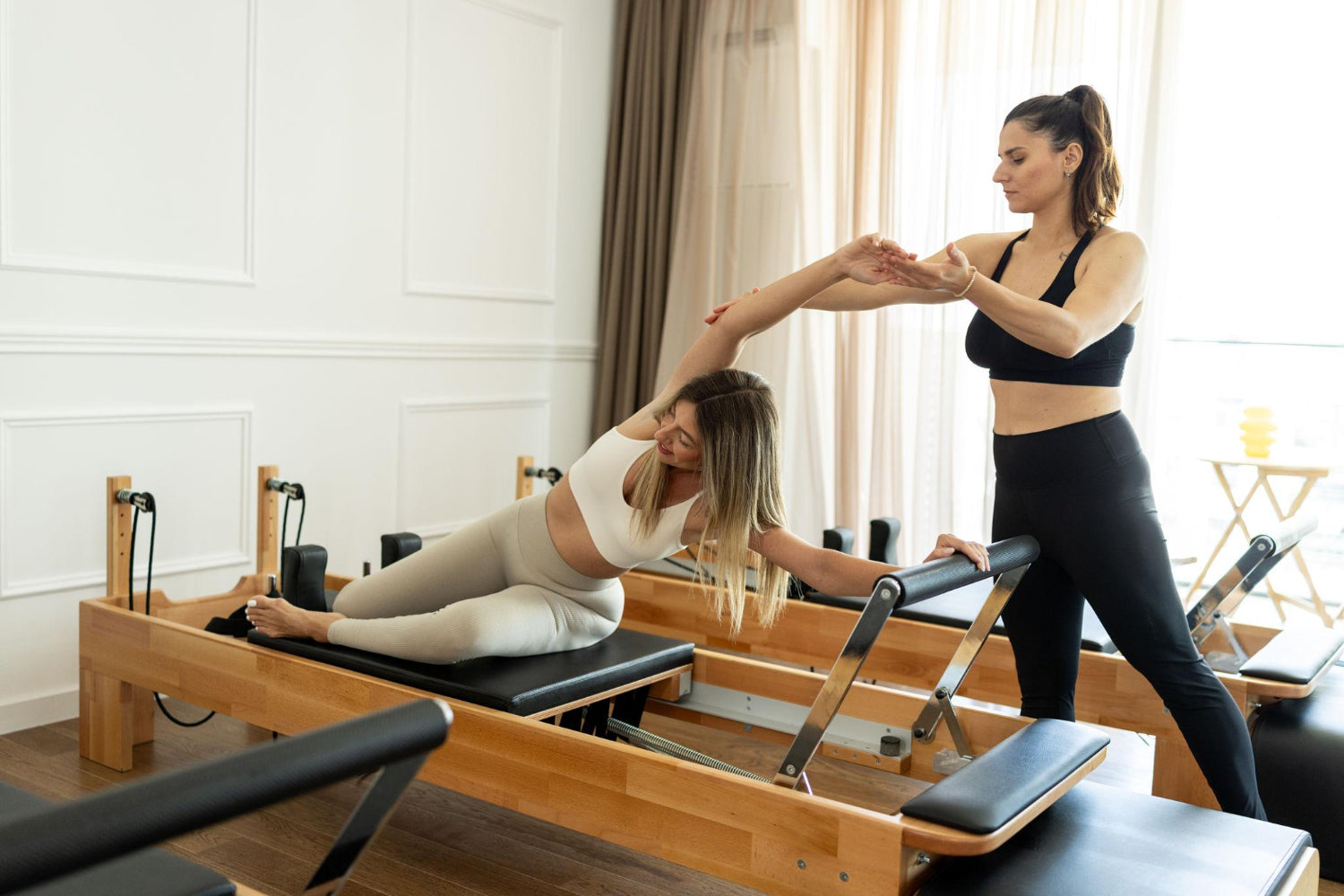
Finding the right balance for physical activity is key for heart health. Many people look for low-impact routines that build strength without placing too much stress on the body.
Mindful movement is popular for its gentle way of improving flexibility and core stability. Pilates can be a suitable option, but it needs to be adapted to your individual needs.
Your safety should always come first. Always speak to your GP before starting any new exercise routine. They can guide you based on your condition.

Are there any risks?
While Pilates is low-impact, there are still a few things to be aware of, especially when using equipment. Understanding how certain movements affect the body will help you stay safe.
Understanding the Strain of Resistance and Inversions
When you exercise, your heart works harder to supply oxygen to your muscles. With Pilates, this needs to be controlled and steady.
Why heavy spring tension can cause a sudden spike in blood pressure
Higher resistance can increase strain on the body. This may lead to a temporary rise in blood pressure if not managed carefully.
The risks of "head-down" positions (inversions) for heart patients
Some positions may increase pressure in the upper body. A more upright position is often more suitable for those with heart concerns.
Identifying "breath-holding" (Valsalva manoeuvre) during difficult movements
Holding your breath during effort can raise internal pressure. Controlled breathing helps reduce this risk.
Mat vs. Reformer: Which is safer for cardiac health?
Mat Pilates is often the safest place to start. It allows for more control and less resistance.
Reformer Pilates can also be safe, but only when movements and resistance are adjusted. If you are unsure, start with guidance from a trained instructor.
When to avoid the Reformer machine during recovery
If you are early in recovery or experiencing symptoms, it may be best to avoid equipment-based sessions.
A gentler, mat-based approach is usually recommended at this stage. Always check with your GP before progressing.
The Benefits of Pilates for Cardiovascular Health
Mindful movement can support your heart in several ways. Pilates uses slow, controlled exercises that are easier on the body.
Many people notice improved posture and core strength. This reduces strain during everyday activities.
Managing Hypertension and Resting Heart Rate
Heart conditions can affect how your body responds to exercise. That is why it is important to keep movements steady and controlled.
How Pilates-based isometric exercises lower systolic blood pressure
Gentle muscle engagement can help regulate blood pressure over time. This makes Pilates suitable for many people with hypertension.
The impact of lateral breathing on heart rate variability (HRV)
Breathing plays a key role in Pilates. Slow, steady breathing helps calm the nervous system and support heart function.
Complementing Your Cardiac Rehabilitation Programme
Regular movement can support recovery and long-term health. Pilates fits well alongside many rehabilitation plans.
Improving circulation and oxygen transport without high-impact stress
Controlled movements help improve blood flow without putting too much strain on the body.
Building "functional capacity" for everyday activities
Stronger muscles and better endurance make daily tasks feel easier. This can improve overall quality of life.
Stress Reduction and the Parasympathetic Nervous System
Mental wellbeing is closely linked to heart health. Pilates creates a calm and focused environment.
Lowering cortisol levels to protect the heart
Reducing stress can help protect your heart over time. Gentle exercise supports this process.
The mind-body connection in post-surgery recovery
The connection between movement and breathing can support both physical and emotional recovery.

Safety Guidelines: How to Practice Pilates with a Heart Condition
Exercising with a heart condition means paying close attention to your body. It is important to stay within your limits.
While exercise is beneficial, pushing too hard can cause problems. Always monitor how you feel during each session.
Essential Precautions Before You Start
Starting slowly is key when beginning any new routine.
Why a GP referral or cardiac specialist clearance is non-negotiable
Always speak to your GP or specialist before starting Pilates. This ensures the approach is safe for you.
Using the "Talk Test" to monitor intensity during class
You should be able to speak comfortably while exercising. If you cannot, the intensity may be too high.
Modifications for Common Cardiac Issues
Adapting movements is essential when managing a heart condition.
Adjusting for Orthopnoea: Moving from supine to semi-reclined positions
Changing positions can make breathing easier and more comfortable.
Avoiding overhead arm movements to reduce cardiac load
Keeping movements controlled helps reduce unnecessary strain on the heart.
The importance of slow transitions to prevent dizziness (Postural Hypotension)
Moving slowly between positions can help prevent light-headedness.
Finding the Right Instructor: Clinical Pilates vs. Commercial Studios
Choosing the right instructor makes a big difference. Look for someone experienced in working with health conditions.
It can help to explore options like Design and Health Pilates Reformer Collection or browse Pilates Machines Collection by Design and Health to understand the equipment used in sessions.
Tell your instructor about your condition before starting. This allows them to adjust exercises to suit your needs.
-------
The information provided in this blog is intended for general educational and informational purposes only and should not be considered medical, fitness, or professional advice.
Always consult with a qualified healthcare professional, physiotherapist, doctor, or licensed Pilates instructor before starting any new exercise programme, particularly if you have an existing injury, medical condition, pain, or health concerns.


