

Education Hub
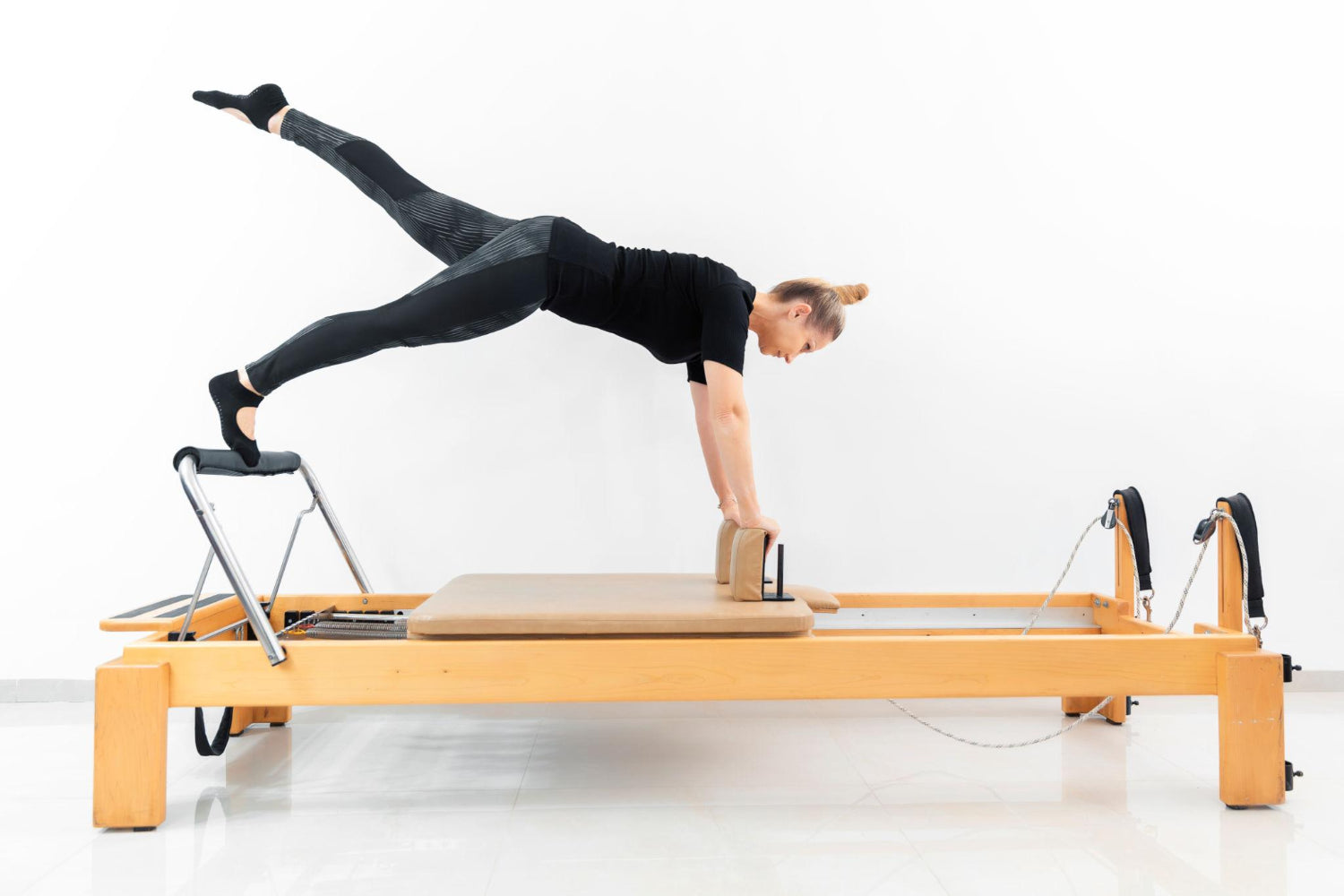

Is Pilates Good for Blood Circulation?
Many people wonder if Pilates is good for blood circulation. While it is often linked to core strength, it offers more than just toned muscles. It works deep muscle groups that are often missed during long desk days, helping stimulate your body in a different way. Improving blood flow with Pilates can also support daily energy levels. Whether you are new to Pilates or more experienced, these exercises are a steady and sustainable way to support your wellbeing. You can explore options like these Reformer Pilates Machines or browse a wider range of Pilates machines to support your practice at home or in a studio. How Pilates Directly Improves Blood Circulation Pilates uses controlled, steady movements that work the whole body. It combines breathing with motion to help the heart pump more efficiently. Working the core helps stabilise the body and allows for deeper breathing. This improves oxygen intake, which supports better blood flow. The Power of Diaphragmatic Breathing and Oxygenation Breathing plays a big role in circulation during Pilates. Deep, controlled breaths act as a second pump for your blood and lymph systems. This helps move blood back towards the heart while also calming the nervous system. Increasing Lung Capacity for Better Oxygen Exchange Deep breathing increases lung capacity and improves oxygen delivery around the body. This supports circulation and helps you feel more energised. How Deep Breath-work Acts as a Pump for the Circulatory System Each breath creates small pressure changes inside the body. These help move blood and lymph fluid more effectively. This process supports healthy circulation without added strain. Muscle Activation and the "Muscle Pump" Effect Understanding how Pilates helps circulation starts with muscle engagement. Exercises like leg circles and footwork act as a natural pump. They help push blood back towards the heart. Strengthening the Calves to Assist Venous Return The calf muscles play a key role in circulation. They help push blood upwards against gravity. Activating them regularly can reduce pooling in the lower legs. Engaging the Core to Support Central Blood Flow Core engagement supports posture and stability. It also helps blood move more efficiently through the centre of the body. Fluidity and Movement Flow Pilates focuses on smooth, continuous movement. This helps keep blood flowing rather than sitting still. Reducing Blood Pooling Through Continuous Motion Gentle, repeated movement helps prevent blood from collecting in the limbs. This is useful if you spend long hours sitting. Enhancing Vessel Flexibility with Dynamic Stretching Stretching releases muscle tension and improves flexibility. This creates more space for blood to move freely. Specific Benefits of Pilates for Vascular and Systemic Health Regular Pilates practice shows clear benefits over time. You may notice improved energy as your body receives better circulation. It can also support blood pressure and heart health. Supporting Vein Health and Preventing Varicose Veins Better circulation helps reduce pressure within the veins. This may support long-term vein health. Managing Symptoms of Chronic Venous Insufficiency (CVI) Gentle movement may help manage symptoms linked to poor circulation. It supports flow without placing stress on joints. Using Inversions and Leg Elevations to Reduce Leg Swelling Exercises that lift the legs can help blood return to the heart. This may reduce swelling and discomfort. Pilates and the Lymphatic System Pilates also supports the lymphatic system, which helps remove waste from the body. Stimulating Lymphatic Drainage to Flush Toxins Controlled movement and breathing encourage lymph flow. This supports the body’s natural cleansing process. Reducing Systemic Inflammation Through Rhythmic Movement Steady, repeated movement may help reduce inflammation over time. This supports overall health and recovery. Impact on Cardiorespiratory Fitness and Heart Health Pilates links movement with breathing in a way that supports heart function. It offers a low-impact way to stay active. Improving VO2 Max and Heart Rate Variability (HRV) Regular practice may support better oxygen use and heart rhythm balance. This can improve endurance over time. The Role of Low-Impact Exercise in Lowering Blood Pressure Pilates is gentle on the joints while still effective. It may help support healthy blood pressure levels. Best Pilates Exercises for Better Circulation Adding Pilates to your routine can support better blood flow. Combining breath, movement, and stretching helps keep circulation steady. Essential Mat Pilates Moves for Blood Flow These simple exercises can help improve circulation. The Hundred: Pumping Blood to the Extremities This exercise uses steady arm pulses and controlled breathing. It helps stimulate circulation throughout the body. Leg Circles: Enhancing Hip and Lower Limb Circulation Leg circles improve mobility and support blood flow in the lower body. They also help maintain joint health. Spine Stretch Forward: Decompressing for Improved Flow This movement reduces tension in the spine. It allows blood to move more freely. Utilising Pilates Equipment for Vascular Support Using equipment adds resistance and support. This can further improve circulation and muscle engagement. If you are looking to upgrade your setup, you can also explore Pilates on machines for more advanced options. Reformer Footwork: Building the "Second Heart" in the Calves Footwork exercises activate the calf muscles, often called the body’s “second heart”. This helps push blood back towards the heart. Using Spring Resistance to Stimulate Deep Tissue Circulation Spring resistance challenges muscles in a controlled way. This supports deeper circulation and overall strength. ------- The information provided in this blog is intended for general educational and informational purposes only and should not be considered medical, fitness, or professional advice. Always consult with a qualified healthcare professional, physiotherapist, doctor, or licensed Pilates instructor before starting any new exercise programme, particularly if you have an existing injury, medical condition, pain, or health concerns.
Learn more
Can Pilates Flatten the Belly?
Can Pilates flatten your belly? Yes, but not how you might think! Pilates strengthens deep core muscles rather than simply burning fat. Using Reformer Pilates Machines, you will see why results go beyond crunches. Keep reading to understand how it really works. How Pilates Actually Affects Your Midsection The "Corset Effect": Strengthening the Transverse Abdominis Pilates works by engaging the deepest layers of your core. These muscles act like a natural corset. They gently pull your abdomen inward while supporting your spine. Beyond the "Six-Pack": Understanding Deep Core Layers Your core is more than just the visible six-pack muscles. It includes the transverse abdominis, pelvic floor, and multifidus muscles along your spine. These muscles support posture and stabilise your body. Weak core muscles can affect your posture. This can make your midsection appear less toned than it really is. Strengthening these deeper muscles helps create a flatter and more supported shape over time. Improving Posture to Instantly Look Leaner Better posture can quickly change how your midsection looks. Standing taller and aligning your spine reduces the appearance of a protruding stomach. Pilates helps train your body to hold this position naturally. Over time, this becomes second nature in daily life. Can You Spot-Reduce Belly Fat with Pilates? The Science of Subcutaneous vs. Visceral Fat Pilates helps strengthen and tone muscles, but it does not directly target fat in one specific area. Belly fat includes subcutaneous fat under the skin and visceral fat around your organs. These are reduced through overall lifestyle habits, not isolated exercises. Why Movement Alone Is Not Enough for Fat Loss Exercise alone is not always enough to lose fat. Pilates improves muscle tone and awareness, but fat loss depends on a consistent calorie balance. This is why combining movement with nutrition is important for visible results. Mat Pilates vs. Reformer: Which Is Better for a Flat Stomach? Resistance Training and Basal Metabolic Rate (BMR) Mat Pilates uses your bodyweight, while reformer Pilates adds spring-based resistance. This extra resistance increases muscle engagement. Over time, this can support a higher metabolic rate and improved strength. Caloric Burn: Mat vs. Reformer Sessions Reformer sessions often feel more challenging due to controlled resistance and full-body involvement. This may lead to a slightly higher calorie burn compared to mat sessions. If you are exploring options, you can view different setups here Reformer Pilates Machines. Both approaches are effective when practised consistently. Healing the Core Post-Pregnancy Pilates is often recommended for rebuilding strength after pregnancy. It uses slow and controlled movements that support recovery without strain. Addressing Diastasis Recti (Abdominal Separation) Gentle core exercises can help reconnect the abdominal muscles. This is especially helpful for those experiencing diastasis recti. Proper guidance is important to ensure exercises are safe and effective. Always consult your doctor or physician. Pelvic Floor Stability and Lower Abdominal Support Pilates strengthens the pelvic floor alongside the deep core muscles. This creates better support for the lower abdomen. It can also improve stability and control during daily movements. Targeted Movements for the Lower Belly Low-Impact Exercises for Safe Recovery Movements such as leg slides, toe taps, and supported planks help engage the lower abdominal area. These exercises are gentle but effective. They can be adjusted based on your current strength and comfort level. Mind-Muscle Connection: Activating Weakened Muscles Pilates focuses on control and awareness. This helps you activate muscles that may have weakened over time. A stronger connection leads to better engagement and more noticeable results. Maximising Results: Combining Pilates with Lifestyle The Role of Nutrition in Revealing Abs To achieve a flatter midsection, nutrition plays an important role alongside exercise. Creating a Sustainable Caloric Deficit Eating whole foods such as lean proteins, vegetables, and complex carbohydrates supports recovery. Maintaining a slight calorie deficit helps reduce overall body fat. This is key for revealing muscle definition. Reducing Bloating Through Hydration and Diet Drinking enough water supports digestion and reduces bloating. Limiting highly processed foods can also help. These small changes can make your stomach feel and look flatter. Supplementing with Cardiovascular Exercise Why Pilates + Cardio Is the "Golden Ratio" for Fat Loss Adding activities like walking, swimming, or cycling increases calorie burn. Combining cardio with Pilates improves both fitness and body composition. This balance supports long-term progress. Consistency and Recovery: How Often Should You Practice? Consistency matters more than intensity. Regular sessions, combined with proper rest, allow your body to improve over time. Small, steady habits tend to deliver the best results. ------- The information provided in this blog is intended for general educational and informational purposes only and should not be considered medical, fitness, or professional advice. Always consult with a qualified healthcare professional, physiotherapist, doctor, or licensed Pilates instructor before starting any new exercise programme, particularly if you have an existing injury, medical condition, pain, or health concerns.
Learn more
Is Pilates Good for the Vagus Nerve?
Many people now look at how low-impact exercise affects the nervous system. You might wonder if certain movements can help manage stress. Understanding how Pilates supports the vagus nerve is useful if you want a more holistic approach to health. The focus on breathing and control helps support this system. Over time, this can improve how your body responds to stress. Does Pilates stimulate the vagus nerve? Pilates does more than build strength. It connects directly with the nervous system through breath and movement. By engaging the diaphragm and using thoracic breathing, Pilates helps stimulate the parasympathetic nervous system. This is the system responsible for helping your body relax and recover. The Diaphragm: Your Physical Link to the Vagus Nerve The vagus nerve acts like a communication pathway between your brain and organs. It plays a key role in relaxation, digestion, and heart rate. The diaphragm sits close to this pathway. This is why breathing techniques are so effective. How Diaphragmatic Exhalation "Massages" the Nerve Slow, controlled exhalation gently stimulates the vagus nerve. This creates a calming effect in the body. Over time, this can help lower your heart rate and reduce stress. Lateral Rib Cage Breathing vs. Belly Breathing: Finding the Balance Pilates uses lateral rib cage breathing rather than just belly breathing. This keeps the core active while allowing the lungs to expand. It supports both stability and relaxation at the same time. Shifting from "Fight or Flight" to "Rest and Digest" Pilates helps move the body out of stress mode. It creates a steady rhythm that signals safety to the brain. The Role of the Parasympathetic Nervous System in Recovery The parasympathetic nervous system controls rest and recovery. When activated, it slows the heart rate and improves digestion. Pilates supports this through breath and controlled movement. How Precision and Control Lower Cortisol Levels Slow, precise movements help reduce cortisol levels. This is the hormone linked to stress. As your body feels more stable, it becomes easier to relax. Core Stability and the Sense of Physical Safety Building core strength does more than improve posture. It also helps your body feel secure. The Transverse Abdominis (TA) and Internal Pressure The transverse abdominis supports your spine and controls internal pressure. It acts like a natural brace for your body. This stability helps reduce unnecessary tension. Why a Strong Spine Signals the Brain to Relax When your spine is supported, your brain reads this as safety. This reduces the need for tension or guarding. Over time, this helps the nervous system stay calmer. The Science of Vagal Tone and Pilates Keeping your nervous system balanced is important for long-term health. Pilates can help improve vagal tone, which supports better stress response. Improving Heart Rate Variability (HRV) through Movement Regular movement can improve heart rate variability, also known as HRV. Understanding HRV as a Marker of Stress Resilience Higher HRV means your body can adapt better to stress. It shows how quickly you recover after pressure. Why Consistent Practice Leads to a "High Vagal Tone" Consistent Pilates practice helps strengthen vagal tone. This means your body can return to a calm state more easily. Applying Polyvagal Theory to Your Pilates Practice Pilates fits well with ideas from polyvagal theory. It focuses on safety, awareness, and controlled movement. Moving Out of the "Freeze" Response with Gentle Resistance Gentle resistance exercises help bring the body out of a freeze state. Movement signals that it is safe to relax. Proprioception: How Knowing Your Body Calms Your Mind Proprioception is your awareness of your body in space. Pilates improves this through slow, controlled movements. This helps reduce anxiety and improve focus. Best Pilates Exercises for Vagus Nerve Stimulation Certain exercises are especially helpful for supporting the nervous system. These focus on breath, spine movement, and control. Mat-Based Movements for Nervous System Regulation Simple mat exercises can be very effective. The Pelvic Tilt and Spinal Articulation Pelvic tilts and curls help move the spine gently. They also encourage slow breathing. This combination supports relaxation. Chest Openers to Release Tension in the Vagal Path Chest opening exercises reduce tension in the upper body. This area is linked to the vagus nerve pathway. Releasing tightness here can improve breathing and comfort. Why the Reformer Might Offer Deeper Relaxation Using equipment can enhance the experience. For example, Reformer Pilates Machines offer options designed for smooth, controlled movement. You can also explore Pilates Machines for a wider range of setups that support guided resistance work. The Soothing Effect of Rhythmic Carriage Movement The reformer carriage moves in a smooth, steady way. This creates a calming rhythm during exercise. Many people find this almost meditative. Using Spring Resistance to Ground the Nervous System Spring resistance provides gentle feedback. This helps you stay focused and present. It also adds a sense of control to each movement. Post-Session Recovery: Maintaining the "Pilates Glow" The benefits of Pilates continue after your session ends. Signs Your Vagus Nerve is Successfully Stimulated You may notice slower breathing and a calmer heart rate. Many people also feel more relaxed and focused. Better digestion and improved mood are common signs too. Tips for Integrating Vagal Breathing into Daily Life Try slow breathing throughout the day. Even a few minutes can make a difference. Focus on long exhales and steady rhythm. This helps maintain a calm state beyond your workout. --------- The information provided in this blog is intended for general educational and informational purposes only and should not be considered medical, fitness, or professional advice. Always consult with a qualified healthcare professional, physiotherapist, doctor, or licensed Pilates instructor before starting any new exercise programme, particularly if you have an existing injury, medical condition, pain, or health concerns.
Learn more
What is the Pilates Reformer Machine from Aldi?
Ever thought your living room could double as a Pilates studio? Aldi’s take on Reformer Pilates Machines makes it possible. A budget-friendly reformer with adjustable resistance for home workouts. Curious about the Aldi Pilates reformer foldable? Keep reading. An Overview of the Viral Aldi Pilates Reformer Turning your living room into a personal gym is now more achievable than before. Many people in the UK want simple ways to stay active without paying for a gym membership. The interest in Aldi’s Pilates equipment is easy to understand. The brand often releases fitness items at a much lower price than specialist retailers. This helps more people focus on movement, flexibility, and routine. Having equipment at home makes it easier to stay consistent. Whether you are new to Pilates or more experienced, it removes common barriers to training. Pilates itself focuses on controlled movement, breathing, and alignment. It strengthens the deeper muscles around the core and spine. Over time, this improves posture and overall balance. The Aldi reformer builds on these basics. It uses a sliding carriage with adjustable resistance to support a full-body workout at home. Key Specs and Features of the Crane Reformer This model is built for home use. It balances cost, practicality, and ease of use. Dimensions and footprint: How much space do you really need? Space is often a concern when choosing a reformer. This one has a compact footprint and suits most homes. It can be stored away after use, which makes it ideal for smaller rooms or flats. You do not need a dedicated gym space to use it. The "Middle Aisle" price point: How it compares to professional brands like Peak Pilates or Merrithew. Aldi’s “Middle Aisle” is known for limited-time deals. This reformer sits firmly in the budget category. Compared to premium brands, it offers a lower entry point. It may not match studio equipment, but it opens the door for beginners. If you are exploring higher-end options, you can browse a range of Reformer Pilates Machines here: Build quality: Steel frame vs. wood alternatives. The frame uses durable materials designed for regular use. It feels stable during basic exercises. Many studio reformers use wood, but this version focuses on function over finish. For home workouts, it holds up well when used correctly. Resistance Bands vs. Traditional Springs This is one of the main differences from studio machines. How the five resistance bands work to provide variable tension. Instead of springs, this reformer uses resistance bands. These create tension as you move through each exercise. You can adjust the difficulty depending on your level. Lighter resistance works well for beginners, while higher levels add more challenge. Understanding the "gliding" mechanism and carriage smoothness. The carriage moves along a guided track. This allows for smooth, controlled motion during workouts. It helps maintain proper form and reduces impact on the joints. This makes it suitable for low-impact training at home. What’s Included in the Box? The reformer comes ready for basic use at home. Assembly tips: Using the instruction manual and community tutorials. Assembly is straightforward if you follow the manual step by step. Some users also find video tutorials helpful for extra guidance. Take your time during setup to avoid mistakes. Accessories included: Footbars, straps, and spare wheels. The machine includes key accessories such as a footbar and straps. These allow you to perform a wide range of movements. Some versions may include spare parts for maintenance over time. Is the Aldi Pilates reformer foldable? Yes, the Aldi Pilates reformer is designed to fold. This makes it easier to store when not in use. Storage Solutions for Small Spaces This feature is useful if space is limited. How to activate the folding mechanism for under-bed or closet storage. The folding system allows the frame to collapse down. You can slide it under a bed or place it in a cupboard. This makes it practical for everyday homes rather than studio spaces. Using the built-in transport wheels to move the machine. Some models include small transport wheels. These help you move the reformer without lifting it fully. It is a simple but helpful feature for daily use. Folded vs. Unfolded Dimensions Knowing the size helps avoid surprises. Measuring your living room: Length requirements for full leg extension. You will need enough space to fully extend your legs during exercises. Measure your available area before buying. This ensures a safer and more comfortable workout. Weight capacity: Is the foldable frame sturdy enough for all users? The frame is designed to support regular use. It remains stable when used within its limits. Always check the listed weight capacity before purchasing. Performance and Safety: Is the Aldi Reformer Worth It? This reformer brings a studio-style experience into the home at a lower price point. Pros and Cons of an Affordable Home Reformer Benefits for beginners: A low-cost entry into the world of Pilates. It is a good starting point for beginners. The lower price makes it easier to try Pilates without a large investment. It supports improvements in strength, flexibility, and posture over time. Potential limitations for tall users (height restrictions). Taller users may find the length slightly restrictive. This is due to the compact design. It is something to consider before buying. Safety Precautions for Home Workouts Using YouTube and TikTok tutorials safely without an instructor. Online workouts can be helpful, but form matters. Move slowly and stay controlled. Stop if anything feels uncomfortable. Maintenance 101: Checking bands and wheels for wear and tear. Check the resistance bands regularly. Look for signs of wear and replace them if needed. Wipe the machine down after use to keep it clean and in good condition.
Learn more
Is the Lidl Reformer Pilates Machine Any Good?
Tempted by Lidl’s latest fitness aisle surprise? You’re not alone. A common question I get asked from friends: "Is the Lidl Reformer Pilates machine any good?" The short answer: yes, but for beginners, and with limitations. This review looks at whether it is worth the money and if it can support your fitness goals over time. How much is a Lidl Reformer Pilates machine? Budget equipment is one of Lidl’s main selling points. Price is often what draws people in first. Current Pricing and the Lidl Plus Discount Retail Price vs. Lidl Plus App Exclusive Offers The Lidl reformer is usually positioned as a low-cost option. Prices can change depending on availability and promotions. Using the Lidl Plus app may unlock extra discounts. This can make the machine even more affordable compared to standard retail pricing. How Lidl’s Price Compares to Aldi and Amazon Alternatives Compared to similar reformers from Aldi or entry-level options on Amazon, Lidl’s price is competitive. It gives you a lower-cost way to try reformer Pilates without spending thousands. What’s Included in the Box? Unboxing the Crivit Reformer: Parts and Assembly The machine is designed for home use and simple setup. Most users say assembly is quick and easy to follow. It includes the main frame, carriage, resistance system, and basic attachments to get started. Understanding the 3-Year Warranty Coverage Lidl often includes a multi-year warranty. This gives buyers extra peace of mind. It helps reduce concerns about durability when choosing a budget machine. Performance Review: Can a Budget Reformer Deliver Results? Many people wonder if a cheaper machine can still deliver real results. Technical Specifications and Build Quality Steel Frame Durability and Weight Capacity (120kg Limit) The frame is reinforced and built to support a wide range of users. It has a weight limit of up to 120kg, which suits most people. Pulley Heights vs. Traditional Spring Resistance Unlike studio machines that use advanced spring systems, this model uses a simpler resistance setup. You still get controlled movement, but it may feel different from premium reformers. The Glide: How Smooth are the Quiet Guide Rollers? The carriage movement is generally smooth. Many users mention the quiet rollers as a big plus for home use. Is it Suitable for Your Fitness Level? Why Beginners Love the Adjustable Resistance Levels The adjustable resistance makes it easy to control intensity. Beginners can build strength at a steady pace. Limitations for Advanced Pilates Practitioners Some users feel the resistance options are limited compared to high-end machines. More experienced users may find it harder to progress over time. Height Restrictions: Is it Comfortable for Taller Users? The compact design works well in smaller homes. Taller users may notice a slightly shorter range of movement. Practicality for Home Use This machine is designed with home use in mind, especially where space is limited. The "Small Space" Factor: Folding and Storage Dimensions When Set Up vs. Folded Flat The reformer fits easily into a living room. It can be folded and stored when not in use. This makes it a good option for smaller UK homes or flats. Portability: Using the Integrated Wheels Integrated wheels make it easier to move the machine around. You can reposition or store it without much effort. Pros and Cons of the Lidl Crivit Reformer The "Pros": Price, Ease of Assembly, and Stability The biggest strengths are its price, simple setup, and stable frame. It offers a solid entry point into home Pilates. The "Cons": Pulley Tension vs. Spring Feel and Padding Density The resistance system does not fully match the feel of studio springs. The padding and finish may also feel more basic compared to premium machines. Verdict: Who Should (and Shouldn't) Buy It? When compared to other options, the Lidl reformer stands out as a budget-friendly starting point. If you are exploring more advanced options, it is worth browsing these collections ofReformer Pilates Machines and a wider range of Pilates machines for home and studio use. Lidl Reformer vs. Studio Pilates: The Reality Check Can You Truly Replace Studio Classes at Home? It offers a convenient way to exercise at home. However, it does not fully replace studio equipment or classes. It works best for casual users who want to stay active. Recommended Accessories to Pair with Your Lidl Machine Adding small accessories like mats or resistance bands can improve your workouts. These help add variety and make sessions more effective. Overall, whether this machine is worth it depends on your goals. If you want an affordable and space-saving way to start reformer Pilates at home, it is a sensible choice.
Learn more
Are Reformer Pilates Machines Worth It?
Are Reformer Pilates Machines worth it, or just expensive coat racks waiting to happen? The obvious answer is the right one. Yes - if you use them! Is it worth getting a Pilates reformer for home? Many people compare the cost of a home reformer with studio fees. A high-quality machine is a serious purchase. It can also be a long-term investment in your health and routine. If you plan to use it often, the value becomes clearer over time. You can explore options like these Pilates reformer machines to compare models and features. The Economics of Ownership: Studio Fees vs. Machine Cost The cost of a high-quality reformer may seem high at first. Over time, it can work out cheaper than regular studio memberships. A well-built machine can last for thousands of hours with minimal issues. Choosing a reliable brand helps ensure long-term value and peace of mind. Calculating your "break-even" point: How many sessions until it pays for itself? Studio memberships often range from £120 to £200 per month. Over three years, this adds up to £4,320 to £7,200. A home reformer usually costs between £1,500 and £3,000. With regular use, it can pay for itself far sooner than expected. Hidden costs to consider (maintenance, accessories, and shipping) There are a few extra costs to keep in mind. These may include delivery, accessories, or occasional maintenance. In most cases, these are small compared to ongoing class fees. Resale value: Does a Pilates reformer hold its worth? A good quality reformer often keeps much of its value. With proper care, it can be sold later for a fair price. This makes the upfront cost easier to justify. Lifestyle and Convenience Factors Owning a reformer can change how you approach fitness. It removes common barriers like travel and fixed schedules. The "no-commute" advantage for consistent practice Training at home saves time and effort. You no longer need to travel or book classes. This makes it easier to stay consistent, even with a busy routine. Space requirements: Folding vs. studio-grade frames Reformers do take up space. Some models fold away and suit smaller homes. Larger, studio-style machines need a dedicated area but offer more stability. Safety and the Learning Curve at Home Reformers are versatile, but they need to be used correctly. Why beginners should start in a studio before buying a home machine Many people think the reformer is complex. In reality, it is beginner-friendly with the right guidance. Starting in a studio helps you learn proper form. This reduces the risk of injury when you move to home workouts. Recommended digital platforms for safe home-guided workouts Once you understand the basics, guided sessions can help. These keep your training structured and safe. They also add variety, which helps you stay motivated over time. The Physical "ROI": What a Reformer Does That a Mat Can’t When comparing reformer Pilates to mat work, the biggest difference is resistance and support. The machine allows more precise muscle engagement. This leads to better control and more effective movement. Mechanical Advantages: Springs, Straps, and Resistance The reformer uses springs and pulleys to create adjustable resistance. This allows a wide range of movements in different positions. It also supports the body while still providing a challenge. How eccentric loading builds lean muscle faster The resistance works both ways. Muscles engage when pushing and when controlling the movement back. This helps build strength and tone more effectively. The role of the carriage in improving joint mobility and spinal decompression The sliding carriage allows smooth, controlled movement. This reduces strain on joints. It can also help relieve pressure on the spine and improve posture. Measurable Health Benefits and Results Regular use can lead to noticeable improvements in how your body feels and moves. Impact on chronic low back pain and core stability Strengthening the core supports the spine. Many people notice reduced discomfort over time. Posture often improves as well. Enhancing athletic performance through "dissociation" and coordination Reformer exercises improve coordination between different parts of the body. This helps with balance and control. It also supports performance in other sports and activities. Versatility for Different Fitness Levels One of the biggest strengths of the reformer is how adaptable it is. Using the reformer for injury rehabilitation and physical therapy The low-impact design makes it suitable for recovery. Movements can be adjusted to avoid strain. This allows you to rebuild strength safely. Scaling difficulty for advanced practitioners using spring tension Resistance can be adjusted easily. This means beginners and advanced users can both benefit. As you improve, the machine continues to challenge you. You can also browse a wider range of Pilates machines for home workouts to find what suits your level. Are there any negatives to reformer Pilates? While reformers offer many benefits, there are some drawbacks to consider. Financial and Practical Drawbacks The main limitations are cost and space. The high initial investment compared to other home gym equipment Reformers are more expensive than most fitness equipment. This makes them a bigger upfront commitment. For some, this may not be practical. Footprint and portability issues in small apartments Larger machines can take up a lot of room. This can be difficult in smaller homes. Even foldable models need storage space. Training and Physiological Limitations Reformer Pilates is not a complete fitness solution on its own. The lack of significant cardiovascular (aerobic) training It is excellent for strength and flexibility. However, it does not provide much cardio training. You may need to add other forms of exercise. Risk of injury when using improper spring settings without a spotter Using the wrong resistance can lead to strain. Proper setup and technique are important. Learning the basics first helps reduce this risk. The complexity of the machine for those who prefer simple workouts Some people prefer quick, simple routines. The reformer can feel complicated at first. This may not suit everyone.
Learn more
What Is the Size of a Pilates Reformer?
Bringing professional fitness equipment into your home takes careful planning. Many people ask what the size of a Pilates reformer is before buying. Knowing the dimensions helps ensure your equipment fits comfortably in your workout area. Choosing the right size also supports safety. You need enough space to move your arms and legs freely without hitting anything. This makes each session smoother and more enjoyable. Standard Dimensions: How Big is a Pilates Reformer? Average Length, Width, and Height Breakdown Most home models are designed to balance function with a manageable footprint. When looking at Pilates equipment measurements, most reformers range between 85 and 95 inches in length. Width also plays a key role in comfort and stability. Machines usually measure between 20 and 25 inches wide. Height varies depending on the model and affects how easy it is to get on and off. Standard Studio Reformer Dimensions (80” to 100” Length) Studio reformers are often slightly larger. Many fall between 80 and 100 inches in length. This gives a smoother and more extended carriage track, which suits advanced exercises. Understanding Width Variations for Full-Track Models Wider machines can improve comfort and alignment. Full-track models often sit at the higher end of the width range, giving more room to move. Height Options: From Floor-Level to Clinical Heights The height of your reformer changes how it feels to use. Lower models feel stable but can be harder to mount. Higher frames are easier to access and are often used in clinical settings. Home vs. Commercial Reformers: Size Differences Compact and Portable Models for Small Apartments Home reformers are often built with space in mind. Compact and foldable options suit smaller homes and flats. They can be stored away when not in use. Professional Wood and Aluminium Frame Footprints Commercial reformers, especially those made from wood or aluminium, tend to have a larger footprint. These are built for durability and regular use. Weight Considerations for Moveable Home Equipment Heavier machines offer more stability. However, they are harder to move. Lighter models are easier to reposition or store. Storage Dimensions for Foldable and Vertical Models Footprint of Folded Reformers (Suitcase-Sized Storage) Some folding reformers can be stored in a compact, suitcase-like shape. This makes them ideal if you need to save space after each workout. Vertical Storage Requirements and Ceiling Clearance Vertical storage options free up floor space. However, they require enough ceiling height. Always check the stored height before buying. Space Planning: How Much Room Do You Actually Need? The "Working Zone" and Safety Clearances Before buying, measure your available space carefully. You need room for the machine and for movement around it. The 60cm Rule: Essential Clearance for Arms and Legs Allow at least 60cm, or around 2 feet, on each side. This gives enough space for safe and comfortable movement. Planning for Head and Foot End Extensions Make sure there is space at both ends of the reformer. Many exercises involve full body extension. Total Floor Area Recommended for a Single Machine (The 8m² Rule) A good guide is to allow around 8 square metres for one reformer. This creates a safe and comfortable workout area. Room-Specific Layout Tips Fitting a Reformer in a Spare Bedroom or Garage If space is tight, placing the reformer against a wall can help. This works well in spare rooms or garages. Strategic Placement: Mirrors, Lighting, and Ventilation Good lighting and airflow improve your workout experience. Mirrors can help you check your form during exercises. Ceiling Height Requirements for Tower and Cadillac Attachments If your reformer includes a tower or Cadillac, check your ceiling height. These add extra vertical space requirements. Factors That Change the Size of Your Equipment Size Impact of Essential Reformer Accessories Space Needed for Sitting Boxes and Jump Boards Accessories like sitting boxes and jump boards increase the space needed. Plan for these when setting up your area. How Tower Frames and Half-Trapezes Increase Height Tower frames and half-trapezes add height to your setup. This is important for studio-style training. Storage for Props: Rings, Balls, and Mats Smaller props still need space. Keeping your area organised helps avoid clutter. Choosing the Right Size for Your Body Type Extended Carriage Lengths for Taller Users Taller users should look for longer carriage tracks. This allows proper movement and better form. Adjustability Features That Affect the Machine's Active Length Adjustable reformers let you change the setup for different exercises. This can slightly change the working length. Pre-Purchase Checklist: Measuring Your Space Doorway Widths and Delivery Maneuverability Check doorways and access points before delivery. Some machines are large and difficult to move indoors. Using Painter's Tape to Visualise Your Workout Flow A simple method is to mark out the machine size on your floor using tape. This helps you see how it will fit and how you will move around it. simple method is to mark out the machine size on your floor using tape. This helps you see how it will fit and how you will move around it. Explore Pilates Equipment Options If you are comparing models, it helps to browse a full range of options: View available Pilates reformer machines Explore all Pilates machines for home and studio use
Learn more
How Long Does It Take to See Results from Reformer Pilates?
Ever stepped on a reformer and wondered when the magic kicks in? The good news is, most people feel results in 3–4 weeks with consistent use of Reformer Pilates Machines. But how many times a week is classed as consistent use? Stick around—we’ll break down the timeline and what really speeds things up. The 10-20-30 Rule: The Gold Standard for Pilates Progress Many studios use a simple benchmark to track progress. It is often called the 10-20-30 rule. This gives a clear guide to what you may feel and see as you continue training. It also helps set realistic expectations. Progress builds gradually, not overnight. 10 Sessions: When You’ll Start to Feel the Difference In the early stages, changes are subtle but noticeable. Your body starts adapting to the movements and resistance. You may not see big visual changes yet, but you will feel the difference. Improved Postural Awareness and "Standing Taller" One of the first things people notice is posture. You may find yourself sitting and standing straighter without thinking about it. This comes from improved alignment and better muscle engagement. Initial Gains in Core Engagement and Mind-Body Connection You will begin to feel your core working more clearly. Exercises feel more controlled and deliberate. Your mind-body connection also improves. This makes each movement more effective over time. 20 Sessions: When You’ll Start to See the Difference With regular sessions, physical changes become more visible. This is where motivation tends to increase. Visible Muscle Toning in the Core, Glutes, and Arms Muscles may start to look more defined, especially in the core and glutes. Arms can also feel stronger and more stable. The resistance from Reformer Pilates Machines helps build lean muscle without bulk. Enhanced Flexibility and Range of Motion in the Joints You may notice improved flexibility. Movements feel smoother and less restricted. Everyday actions, such as bending or reaching, often feel easier. 30 Sessions: Achieving a "Whole New Body" At this stage, changes are more established. Results feel both visible and functional. Long-Term Changes in Body Composition and Lean Muscle Mass Your body may feel firmer and more balanced. Strength becomes more consistent across muscle groups. These changes build gradually through steady training. Functional Strength That Translates to Daily Life Strength gained in sessions carries into daily life. You may feel more stable, balanced, and in control of movement. Simple tasks can feel easier and more efficient. How many times a week should I do Pilates reformer to see results? Frequency plays a big role in how quickly you see results. Regular sessions allow your body to adapt and improve. If you are looking to invest in your own setup, explore these Reformer Pilates Machines. Finding Your Frequency: Beginner vs. Advanced Schedules Your ideal routine depends on your starting point and goals. Why 2–3 Times a Week is the "Sweet Spot" for Consistency Attending two to three sessions per week is often enough to see steady progress. This balance allows for recovery while keeping momentum. The 4–5 Session Strategy for Rapid Body Transformation More experienced individuals may train four to five times per week. This can speed up results, but only if proper recovery is maintained. Can You Get Results Doing Reformer Pilates Once a Week? Some people prefer a lighter schedule. While helpful, results may be slower. Maintenance and Mobility vs. Physical Transformation One session per week can support mobility and general fitness. However, it is less effective for visible transformation. Supplementing Your Routine with At-Home Mat Work Adding mat Pilates or strength work can support progress. This helps maintain consistency between sessions. Factors That Influence Your Personal Timeline Everyone progresses at a different pace. Several factors play a role. The Role of Nutritional Support and Muscle Recovery Nutrition and rest are key. Muscles need time and fuel to recover and grow. Without this, progress may slow. How Starting Fitness Levels Impact Progress Speed Beginners often notice quicker improvements. Those with more experience may focus on refining technique instead. Maximising Your Reformer Results: Beyond the Machine Reformer Pilates Machines are highly effective, but results depend on how you train. The Importance of Progressive Resistance and Spring Tension The machine uses springs to adjust resistance. Increasing this gradually challenges your muscles. This supports ongoing strength development. Why Quality of Movement Trumps Quantity of Repetitions Controlled movement matters more than repetition count. Good form ensures the right muscles are engaged and reduces risk of injury. Tracking Your Journey: Photos, Measurements, and Functional Wins Tracking progress can help maintain motivation. Photos, measurements, or even how you feel day to day can show improvement. Small wins matter just as much as visible changes. In summary... Reformer Pilates delivers results through consistency, quality movement, and gradual progression. While many people begin to feel changes within 10 sessions and see more visible improvements after 20, long-term transformation comes from sticking with a regular routine and focusing on proper technique. Whether your goal is better posture, increased flexibility, improved core strength, or full-body toning, Reformer Pilates Machines can provide an effective and sustainable way to train. By combining regular sessions with good recovery, nutrition, and mindful movement, you can build lasting strength and see meaningful results over time
Learn more
What is the 80/20 Rule in Pilates?
Ever feel like you’re doing loads in Pilates but seeing little change? The 80/20 rule flips that. What is the 80/20 rule? Well, 20% of key moves drive 80% of results. Whether using Reformer Pilates Machines or mats, focus matters. Keep reading to train smarter, not longer, and see real progress faster. What is the 80/20 rule in Pilates? Many fitness lovers in the UK look for better ways to train. You might ask, what is the 80/20 rule in Pilates? It means a small part of your exercises brings the biggest benefits. By choosing key exercises, you can change your body faster. Efficiency is key when you focus on doing a few things well. This rule helps you make your workouts count more, reaching your goals sooner. Using this approach, you can get strong results while keeping a good work-life balance. Working smart, not hard, supports long-term progress. Applying the Pareto Principle to Your Practice Working smarter, not harder, is key to a lasting fitness routine. This idea comes from Vilfredo Pareto, who found that most results come from a small portion of effort. In Pilates, this means focusing on the most impactful movements. These exercises improve core strength and control without wasting time on less effective work. Why 20% of Exercises Deliver 80% of Your Progress The 80/20 rule shows that not every exercise gives equal results. A small number of movements drive most of your progress. By identifying these, you make your Pilates sessions more efficient and focused. Mastering Foundational Movements Over Complex Variations To get the most from your Pilates workout, stick to key exercises that work your whole body. Mastering the basics builds a strong base. This makes it easier to progress to more advanced movements later. Focusing on Quality Repetitions vs. High Volume Quality matters more than quantity. Controlled, precise repetitions improve your Pilates technique faster than rushing through sets. This approach helps you avoid strain while still building strength. The 80/20 Ratio: Balancing Strength and Flexibility A well-rounded routine combines strength and flexibility. You build core stability while improving movement range. This balance keeps your body both strong and mobile over time. Why 80% of Your Session Should Focus on Stability Most of your workout should target stabilisation. This builds deep core strength and supports better posture. It also forms the base for all other movements. The Role of the Final 20% for Mobility and Recovery The remaining portion of your session should focus on stretching and mobility. This supports recovery, improves flexibility, and keeps your joints healthy. Effort vs. Intensity: The Mental 80/20 Rule The 80/20 rule also applies to your focus. It is not just about movement, but how you approach each session. Dedicating 80% of Your Focus to Form and Breath Most of your attention should go to form and breathing. This strengthens the mind-body connection. It helps you move with control and purpose. Using the Remaining 20% for Movement Intensity and Challenge The final part of your effort can go towards intensity. This includes adding resistance or trying harder variations. This keeps your workouts challenging without losing control. Benefits of Using the 80/20 Rule for Faster Results Using the 80/20 rule changes how you approach your routine. It helps you focus on what truly matters. Increased Efficiency and Time Management By simplifying your workouts, you make better use of your time. Getting a Full-Body Transformation in Shorter Sessions Choosing a few key exercises can deliver strong results without long sessions. Every movement has purpose. Identifying Your Personal "High-Return" Movements Tracking your progress helps you find which exercises work best for your body. These become your go-to movements. Preventing Overtraining and Reducing Injury Risk Consistency matters more than pushing too hard. Avoiding Burnout Through Controlled Intentionality Focusing on quality reduces fatigue and keeps you motivated. It helps you avoid burnout over time. Protecting Joints by Prioritising Deep Stabilising Muscles Strong stabilising muscles protect your joints and reduce injury risk. This is key for long-term progress. Improving Mind-Body Connection and Precision Pilates is not just physical. It is also about awareness. Why Concentration Yields Better Results Than Momentum Moving with control is more effective than rushing. It improves both strength and coordination. Developing Conscious Alignment in Every Repetition Paying attention to alignment improves posture and movement patterns. This carries into daily life. How to Implement the 80/20 Rule in Your Next Session Start by reviewing how you currently train. Practical Steps for Beginners and Pros This method works for all levels. Auditing Your Current Routine for Maximum Impact Look at your weekly sessions. Identify which exercises give you the best results. Focus more on these and remove unnecessary movements. Incorporating "Quality Over Quantity" into Mat and Reformer Work Apply this approach whether you train on a mat or with Reformer Pilates Machines. Controlled movements and proper form should always come first. Related Frameworks: How it Differs from the 3-2-1 Pilates Method Different methods can complement each other. Understanding Frequency vs. In-Session Focus The 80/20 rule focuses on what you do within a session. Other methods may focus on how often you train. Combining Multiple Principles for a Well-Rounded Routine You can combine different frameworks to build a balanced routine. The key is to stay consistent and focused on what works best for you. In summary... The 80/20 rule in Pilates is about focusing on the exercises and habits that deliver the greatest impact. Rather than spending hours doing endless repetitions, prioritising high-value movements, proper form, and controlled breathing can help you achieve better strength, posture, flexibility, and core stability in less time. Whether practising on mats or using Reformer Pilates Machines, this approach encourages smarter, more intentional training that supports long-term progress while reducing the risk of burnout and injury. By concentrating on quality over quantity, you can build a more effective and sustainable Pilates routine that delivers real results.
Learn more