

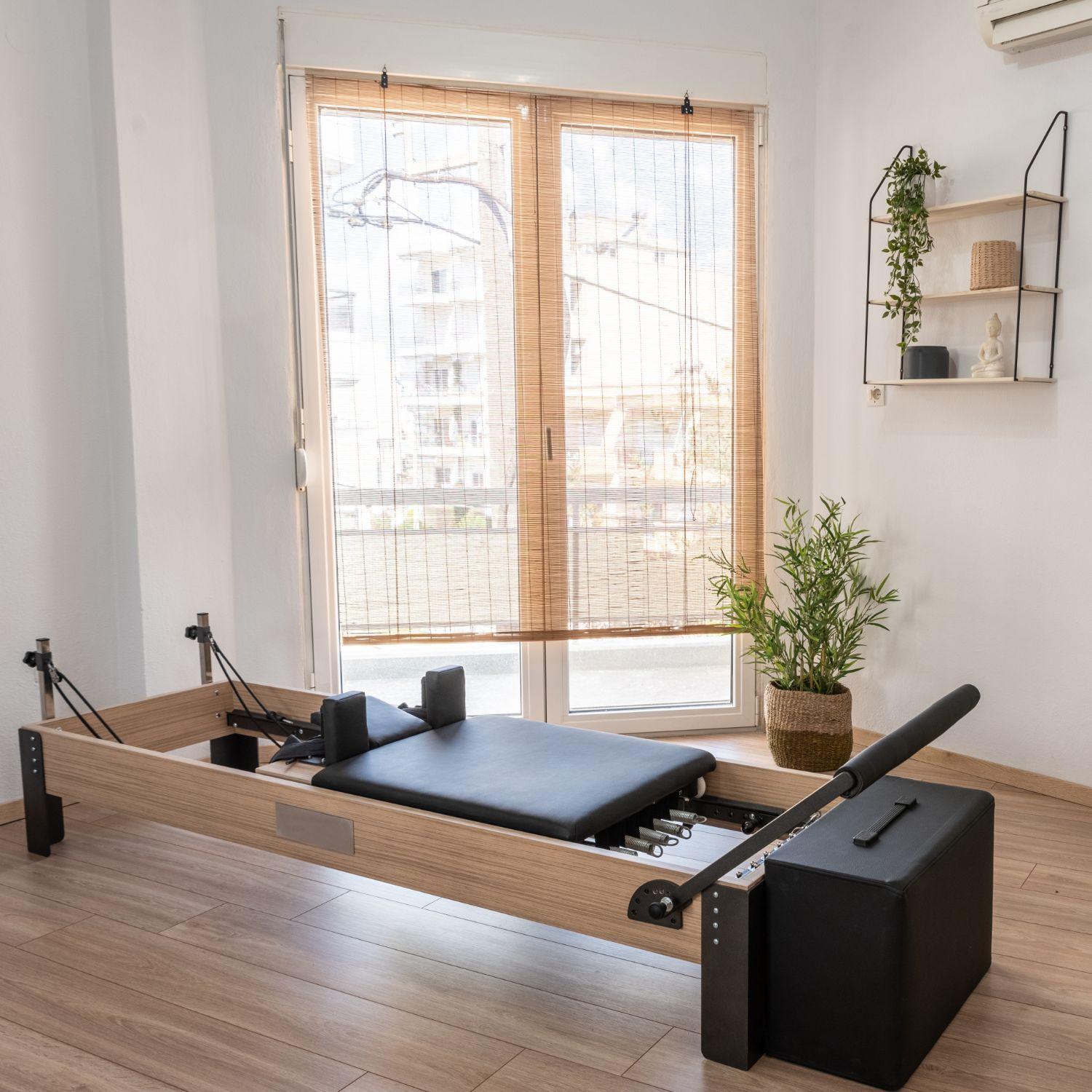
Dreaming of opening a studio filled with sleek Reformer Pilates Machines but you aren't a qualified teacher?
Well, you don’t legally need qualifications to own one, but recognised certifications, insurance, and business know-how are essential to a successful studio. Alongside instructors with all the relevant qualifications!

Essential Teaching Qualifications for Reformer Pilates
Starting a successful studio means understanding reformer pilates qualifications in the UK. Having the right training helps your studio stay safe, professional, and trusted by clients.
The Level 3 Diploma: The UK Industry Benchmark
Professional training plays a key role in delivering safe sessions. Clients expect instructors to feel confident and knowledgeable, especially when using equipment.
Why a Level 3 Mat Pilates Qualification is Often the Starting Point
Foundation mat-work training covers core principles and anatomy. It is often the first step for instructors.
This builds a strong base before moving on to equipment-based training.
Specialist Level 3 Diploma in Planning and Delivering Reformer Pilates
Reformer-specific training focuses on equipment mechanics and safety.
It also covers how to guide clients through more advanced movements, reducing the risk of injury and improving client results.
Regulated vs. Unregulated Qualifications: What You Need to Know
Choosing a recognised provider is important. Qualifications aligned with CIMSPA are widely accepted.
They also support insurance requirements and improve credibility.
Prerequisite Experience and Bridging Courses
Training pathways often combine technical knowledge with prior experience. This is common in the fitness and wellness space.
Can You Teach Reformer Without a Mat Certification?
It is not always legally required. However, most providers recommend starting with mat training.
It gives you a clear understanding of movement before using reformer equipment.
Acceptable Backgrounds: Personal Trainers, Yoga Teachers, and Physiotherapists
Professionals from related fields can move into reformer training more easily. Their understanding of anatomy and movement helps them progress faster.
Comprehensive vs. Standalone Reformer Training
Training options vary depending on your goals as an instructor or studio owner.
The "Gold Standard" Fully Comprehensive Certification
Comprehensive programmes combine mat-work, reformer, and advanced training. They offer a balanced approach for those planning to run a studio.
Contemporary vs. Classical Training Styles
Different styles influence how classes are taught. Choosing one that fits your studio vision helps attract the right clients.

Business and Legal Requirements for Studio Owners
Starting a Reformer Pilates business requires a solid legal foundation. Following UK fitness business requirements helps protect your clients and your brand.
Mandatory Insurance and Liability Coverage
Insurance is essential for protecting your business from unexpected costs or claims.
Public Liability Insurance: Protecting Your Business and Clients
Public liability insurance covers injuries such as slips or falls in your studio. This is one of the most important types of cover.
Professional Indemnity Insurance for Instructors
This insurance protects against claims linked to instruction or advice given during sessions.
Why Insurers Require Proof of Competency (Even Without National Standards)
Even though you do not need qualifications to own a studio, insurers often expect proof of training. This helps reduce risk.
Premises Compliance and Regulatory Obligations
Your studio must meet local and national safety standards.
Planning Permission: Navigating Use Class E and Residential Conversions
Check with your local council before opening. Your premises must be approved for commercial use.
Health and Safety: Fire Risk Assessments and Equipment Maintenance
You must carry out regular risk assessments. Equipment should be checked and maintained often.
Fire safety measures should include alarms, extinguishers, and clear exit routes.
Music Licensing: Do You Need a PPL or PRS Licence?
If you play music during classes, you may need a licence. This keeps your studio compliant with UK regulations.
Financial and Administrative Setup
A strong business structure supports long-term success.
Choosing Your Structure: Sole Trader vs. Limited Company
You can register through Companies House or HMRC. This ensures you meet tax and legal requirements from the start.
Hiring Instructors: Employment Law and the IR35 Risk
If you hire instructors, you must follow UK employment rules. This includes understanding contractor status and IR35.
Professional Standards and Industry Recognition
Building a reputable studio depends on recognised standards and ongoing training.
CIMSPA and the Register of Exercise Professionals
Working with recognised organisations strengthens your position in the industry.
The Benefits of CIMSPA Endorsement for Your Studio
Accreditation shows your instructors meet industry standards. It also builds trust with clients.
How Accreditation Affects Your Credibility with Larger Gym Chains
Recognised qualifications make it easier to partner with larger fitness providers.
Continuing Professional Development (CPD)
Ongoing learning is essential in the Pilates industry.
Staying Current with Advanced Repertoire and Special Populations
Further training allows instructors to work with a wider range of clients. This includes those with injuries or specific needs.
Why Annual Training is Vital for Insurance Renewal
Regular CPD helps maintain insurance cover. It also keeps your team up to date with best practice.
Recommended Equipment and Studio Setup
Choosing the right equipment is just as important as qualifications. High-quality machines improve both safety and client experience.
Explore a range of professional Reformer Pilates Machines and browse premium Pilates Machines to find options suited to your studio.
You can also view specialised Pilates on Machines designed for modern studio setups.


