

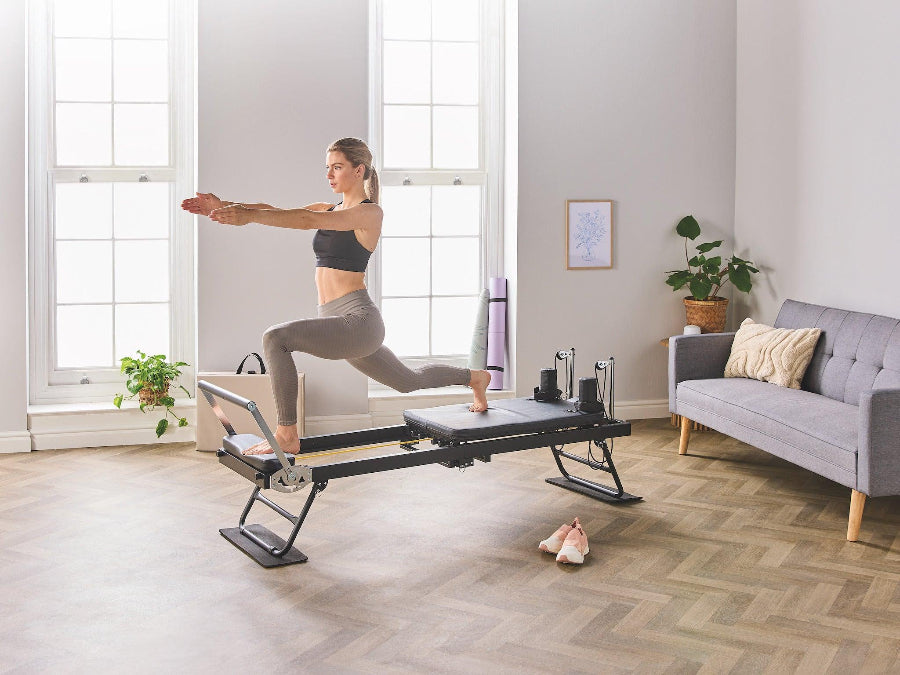
Can you run a reformer Pilates studio from home in the UK?
Yes! You have to follow the rules, but with the right setup, and right Reformer Pilates Machines, your spare room, garden building or even garage can become a thriving studio!
Let’s take a look at what is required, and what many people overlook.

Navigating the Legalities: Can You Legally Open a Home Studio?
Starting a home-based reformer pilates business in the UK involves more than buying equipment. You need to check that your property can be used for business purposes. Doing this early helps avoid issues later.
Planning Permission and "Change of Use" Class
Before setting up your reformer pilates home studio, speak to your local council. They will advise if you need permission to change how your home is used.
They often consider how much traffic, noise, and activity your business may create.
The "Character of the Dwelling" Test: Would Your Neighbours Notice?
Councils will assess whether your home still feels like a home. If there is a steady flow of clients, extra cars, or noise, it may raise concerns.
Thinking about this early can help you avoid complaints.
Permitted Development Rights vs. Full Planning Applications
Some smaller setups may fall within permitted development rules. However, regular classes or higher client numbers may require full planning permission.
It is always best to confirm directly with your local authority.
Applying for a Certificate of Lawful Use for Peace of Mind
A Certificate of Lawful Use can provide reassurance. It confirms that your home studio is legally acceptable.
This can be helpful if you plan to grow your business over time.
Mortgage, Leasehold, and Insurance Restrictions
You should also check your mortgage or lease agreement. Some contracts restrict running a business from home.
Getting written approval protects you from potential issues.
Why You Must Notify Your Mortgage Provider or Landlord
Failing to inform your lender or landlord can cause problems. It may even breach your agreement.
Being upfront is always the safer option.
Professional Indemnity vs. Public Liability: Essential UK Cover
You will need public liability insurance to cover accidents involving clients. This is essential for any fitness business.
Professional indemnity insurance protects you if a client claims negligence.
The Risks of Relying on Standard Home Insurance
Standard home insurance often does not cover business activity. You should check your policy carefully.
Make sure your cover reflects your studio use.
Business Rates vs. Council Tax
Understanding how your home is classified is important. It can affect how much you pay.
When Does a Spare Room Become a "Business Premises"?
If a room is used mainly for business, it may be treated differently for tax. This depends on how often and how exclusively it is used.
Small Business Rate Relief: Can You Pay Zero Rates?
You may qualify for small business rate relief. In some cases, this can reduce your rates to zero.
It depends on your setup and local council rules.
The Importance of "Dual Use" for Capital Gains Tax Strategy
Keeping a room as both personal and business space can help reduce tax when selling your home.
This is something to consider early on.

Setting Up Your Space for Success
Starting a pilates reformer at-home business in the UK requires the right setup. Careful planning makes your studio safe and professional.
Optimising Your Home Layout for Reformer Equipment
Choosing the right reformer is important. Look for equipment that is compact but still high quality.
You can explore suitable options such as these Reformer Pilates Machines:
You may also want to compare other Pilates Machines for your setup:
Minimum Space Requirements for a Reformer and Instructor
Make sure your floor can support the weight of the equipment. Leave enough space around the reformer so you can move safely.
This helps you assist clients properly.
Flooring and Acoustics: Minimising Noise for Your Family and Neighbours
Soft flooring can reduce noise and vibration. This helps keep your home environment calm.
It also prevents disruption for neighbours.
Lighting and Ventilation: Creating a Professional Studio Ambience
Your studio should feel calm and welcoming. Soft lighting helps clients relax.
Good ventilation keeps the space comfortable during sessions.
Health, Safety, and Fire Compliance
Keeping your studio safe is essential. It protects both you and your clients.
Conducting a Home Fire Risk Assessment
Carry out a basic fire risk assessment. Check for hazards such as cables or blocked exits.
A safe environment is expected from any professional.
First Aid Requirements and Emergency Procedures
Basic first aid knowledge is important. You should also have clear emergency procedures in place.
This helps you act quickly if needed.
Managing Client Access: Entrances, Toilets, and Privacy
Think about how clients enter your home. Clear access makes the experience smoother.
Privacy is also important for both you and your clients.
The "Invisible" Costs: Music Licences and Registration
There are smaller costs that are easy to miss. These can still affect your setup.
Do You Need a PPL/PRS Licence for Background Music?
If you play music during sessions, you may need a licence. This applies even in a home studio.
Registering as a Sole Trader vs. a Limited Company
Many start as sole traders because it is simple. As your business grows, a limited company may be more suitable.
GDPR Compliance for Storing Client Health Data
If you store client data, you must follow GDPR rules. This includes health information.
It helps protect both you and your clients.
Is Pilates good for L4 and L5?
Pilates is often recommended for supporting the lower back, including L4 and L5. However, exercises should be done carefully.
This is especially important in a home studio setting.
Supporting the Lower Back with Reformer Resistance
The reformer provides controlled resistance. This can help strengthen muscles that support the spine.
Stabilising the Lumbar Spine via the Transverse Abdominis
Engaging the core helps stabilise the lower back. The transverse abdominis plays a key role.
Using the Reformer Carriage to Decompress L4-L5 Segments
The moving carriage allows gentle decompression. This may reduce pressure in the lower spine.
Modifying Exercises for Clients with Disc Issues
Exercises should be adapted for each client. This is important for those with existing injuries.
Avoiding Excessive Spinal Flexion in a Home Setting
Too much forward bending can increase discomfort. Neutral spine positions are usually safer.
Pelvic Stability Drills to Relieve Lower Back Pressure
Pelvic stability can reduce strain on the lower back. It also improves movement control.
Professional Boundaries: When to Refer to a Physiotherapist
Knowing your limits is important as an instructor. Some cases require professional medical input.
Recognising "Red Flag" Symptoms During a Home Session
Symptoms like sharp pain or numbness should not be ignored. These may need medical attention.
Building a Referral Network as a Home-Based Instructor
Working with physiotherapists builds trust. It also ensures your clients receive the right support.
In Summary:
Running a reformer Pilates studio from home in the UK is absolutely possible, but it involves far more than simply buying equipment and clearing some space. From planning permission and insurance to studio layout, safety, tax considerations, and client experience, there are several legal and practical factors to think through before opening your doors. This guide breaks down everything you need to know to create a safe, professional, and compliant home-based studio — while also exploring how to deliver a high-quality client experience with the right setup, equipment, and business foundations in place.


