

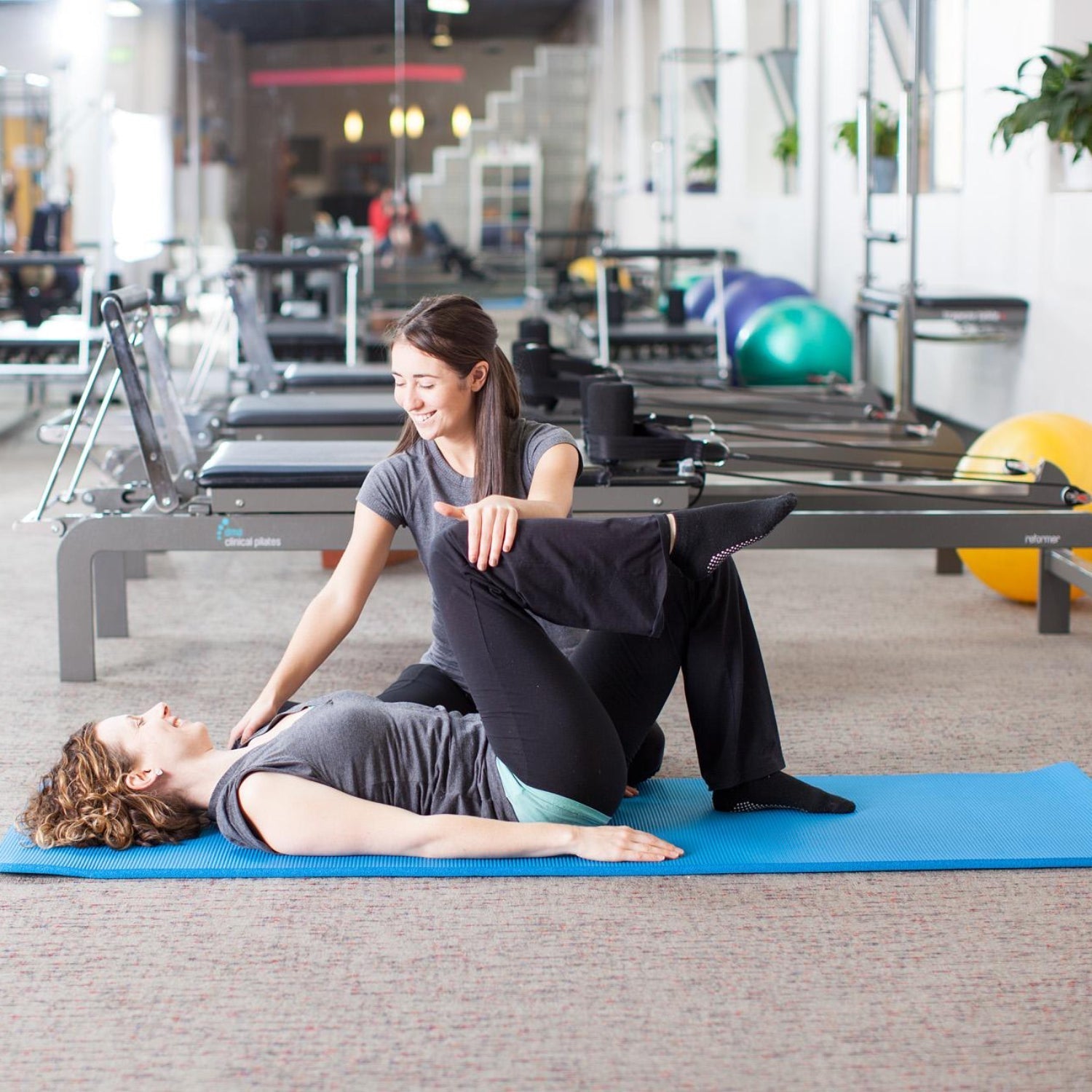
Bad back days can make choosing exercise feel like a gamble. So, is Pilates or yoga better for degenerative disc disease?
Short answer: Pilates because it builds core support and protects your spine.
But let’s break it down, including how Reformer Pilates Machines can help.

Pilates vs. Yoga: Which Discipline Wins for DDD?
Understanding how movement affects your spine is important. Comparing Pilates and yoga can help you decide what feels right for your body.
Both methods support well-being. However, they work in different ways and suit different needs.
The Pilates Approach: Core Stability and the "Powerhouse"
Pilates focuses on controlled movement and core strength. It targets the muscles that support your spine.
This can reduce pressure on damaged discs and improve daily comfort.
How the Transverse Abdominis Supports Neutral Spine Alignment
The transverse abdominis acts like a natural support belt. Strengthening it helps keep your spine aligned.
This reduces strain during simple movements like standing or bending.
Mat vs. Reformer: Reducing Compression Through Resistance
Mat Pilates uses body weight to build control. Reformer Pilates Machines add guided resistance and support.
This can help reduce compression while improving strength in a safe way. You can explore options like Reformer Pilates Machines here.
Why Physical Therapists Often Prefer Pilates for Disc Issues
Many physiotherapists recommend Pilates for back conditions. The movements are structured and easy to adjust.
This makes it suitable for targeting weak areas while avoiding strain.
The Yoga Approach: Mobility, Decompression, and Mind-Body Connection
Yoga focuses on flexibility and gentle stretching. It also encourages awareness through breathing and movement.
This can help release tension around the spine.
Gentle Hatha vs. Vinyasa: Choosing a Safe Practice Style
Gentle Hatha yoga is often a safer choice for back issues. It uses slower movements and simple poses.
Faster styles like Vinyasa may place more strain if not adapted.
Spinal Traction: Poses That Naturally Decompress Intervertebral Discs
Some yoga poses create light traction in the spine. This may help reduce pressure between discs.
It can feel relieving when done carefully.
Using Pranayama (Breathwork) to Manage Chronic Back Pain
Breathing exercises can lower tension and stress. They also improve body awareness.
This supports better control during movement.
The Verdict: Stability vs. Flexibility in Spinal Recovery
Pilates and yoga offer different benefits. Pilates builds stability, while yoga improves flexibility.
The right choice depends on what your body needs most.
When to Choose Pilates for Motion Segment Instability
Pilates is often better when your spine feels weak or unstable. It strengthens the muscles that support your back.
This can make everyday movements feel safer.
When Yoga is Better for Relieving Muscular Tension and Stiffness
Yoga can help when tight muscles are limiting your movement. Gentle stretching improves range of motion.
It may also reduce general stiffness.
The Risks of Over-Stretching: Why Too Much Flexibility Can Hurt DDD
Too much stretching can sometimes make symptoms worse. Over-flexing the spine may increase pressure on discs.
It is important to move with control.

Is Pilates good for L4 and L5?
Yes, Pilates can support the L4 and L5 region when done properly. It focuses on strengthening and control.
This helps protect the lower spine during movement.
Targeted Support for the Lumbosacral Region
Pilates helps improve strength and alignment in the lower back. This area often carries the most strain.
Targeted exercises can support recovery.
Strengthening the Multifidus to Stabilize L4-L5 Segments
The multifidus muscles sit close to the spine. They provide deep support and stability.
Strengthening them helps protect the L4-L5 area.
Improving Pelvic Tilt to Relieve Pressure on Lower Lumbar Discs
Learning to control pelvic tilt can reduce pressure on the lower back. It improves posture during movement.
This can ease discomfort over time.
Modifications for L4-L5 Nerve Impingement
Adjusting exercises is important if nerves are affected. Not all movements will feel right.
Small changes can make a big difference.
Exercises to Avoid: Why Extreme Flexion (Forward Bending) is Risky
Deep forward bending can increase disc pressure. This may worsen symptoms in some cases.
It is best to avoid these movements early on.
Safe Alternatives: Pelvic Tilts, Bird-Dog, and Glute Bridges
Gentle exercises like pelvic tilts and glute bridges are safer options. They build strength without strain.
These movements support the spine in a controlled way. You can explore more Pilates options here:
Real-World Results: Reducing the Need for Surgery and Meds
Regular movement can support long-term back health. Many people notice gradual improvement over time.
Consistency is key.
Building a "Natural Back Brace" Through Consistent Practice
Strong core muscles act like a support system. They help protect the spine during daily tasks.
This reduces the need for compensation from other muscles.
The Importance of One-on-One Instruction for Specific Diagnoses
Working with a professional can help you move safely. They can tailor exercises to your condition.
This lowers the risk of further strain.
How to Start Safely: Implementation and Precautions
Starting slowly is important when dealing with back pain. Rushing can lead to setbacks.
A steady approach is more effective.
Working Within Your Pain-Free Range of Motion
Always listen to your body. Movement should feel controlled and manageable.
Avoid pushing through sharp pain.
Understanding "Good" Soreness vs. "Bad" Nerve Pain
Mild soreness can be normal after exercise. Sharp or shooting pain is a warning sign.
If this happens, stop and rest.
Using Props: Bolsters, Blocks, and Small Balls for Alignment
Props can support your body during movement. They help maintain proper alignment.
This reduces unnecessary strain.
Finding the Right Instructor and Class Type
The right guidance can make a big difference. Not all classes are suitable for back conditions.
Choose carefully.
Clinical Pilates vs. Boutique Fitness Classes
Clinical Pilates focuses on rehabilitation. It is often better for those with spinal issues.
General fitness classes may not offer the same level of care.
Communicating Your Diagnosis (DDD, Stenosis, or Spondylolisthesis)
Always inform your instructor about your condition. This helps them adapt exercises.
It ensures a safer experience.
Creating a Sustainable Routine for Long-Term Spine Health
Building a routine takes time. Consistency matters more than intensity.
Small efforts add up.
Frequency: Why 2–3 Sessions a Week is the "Sweet Spot"
Regular sessions help maintain strength and mobility. Too much can lead to fatigue.
Balance is key.
Combining Movement with Nutrition and Proper Hydration for Disc Rehydration
Staying hydrated supports spinal discs. A balanced diet also helps recovery.
Together, these support long-term spine health.
----------
The information provided in this blog is intended for general educational and informational purposes only and should not be considered medical, fitness, or professional advice.
Always consult with a qualified healthcare professional, physiotherapist, doctor, or licensed Pilates instructor before starting any new exercise programme, particularly if you have an existing injury, medical condition, pain, or health concerns.


