

If you have arthritis, staying active can feel difficult. The right type of exercise can ease stiffness, improve movement, and reduce pain. Yoga and Pilates are both popular low-impact options, but they work in different ways. This guide breaks down which may suit you best, based on how your body responds.

Is Yoga Better for Arthritis?
Yoga is a gentle way to manage joint pain. It focuses on flexibility, relaxation, and improving blood flow. Styles such as Hatha and Restorative yoga are often recommended for people with arthritis.
Increasing Range of Motion and Joint Lubrication
Keeping your joints moving is key. Yoga helps by stretching the muscles around stiff areas. This can reduce discomfort during daily tasks.
How Gentle Stretching Promotes Synovial Fluid Production
Slow, controlled movement supports the release of synovial fluid. This fluid helps lubricate the joints. Over time, it can reduce stiffness and improve movement.
The Best Yoga Styles for Joint Pain: Hatha vs. Yin
Hatha yoga uses slow, guided movements. It is suitable for beginners and those with limited mobility.
Yin yoga involves longer holds and deeper stretches. It can be helpful, but may feel intense for some people. Hatha is often the safer starting point.
Managing Systemic Inflammation Through Mindfulness
Living with ongoing pain can affect your mood. Yoga helps calm the nervous system. This may support lower inflammation levels.
The Link Between Cortisol, Stress, and Arthritis Flares
Stress can increase cortisol levels. This is linked to inflammation and flare-ups. Regular yoga practice may help manage this response.
Breath-work (Pranayama) as a Tool for Chronic Pain Management
Breathing exercises, known as pranayama, are a key part of yoga. Slow, steady breathing helps reduce tension. It can also make pain feel more manageable.
Improving Balance to Prevent Arthritis-Related Falls
Joint pain can affect balance. This increases the risk of falls, especially in the hips and knees.
Proprioception and Standing Poses for Knee and Hip Stability
Standing poses such as Tree Pose and Warrior II help improve balance. They also build stability in the lower body. This supports safer movement in everyday life.

Is Pilates Better for Arthritis?
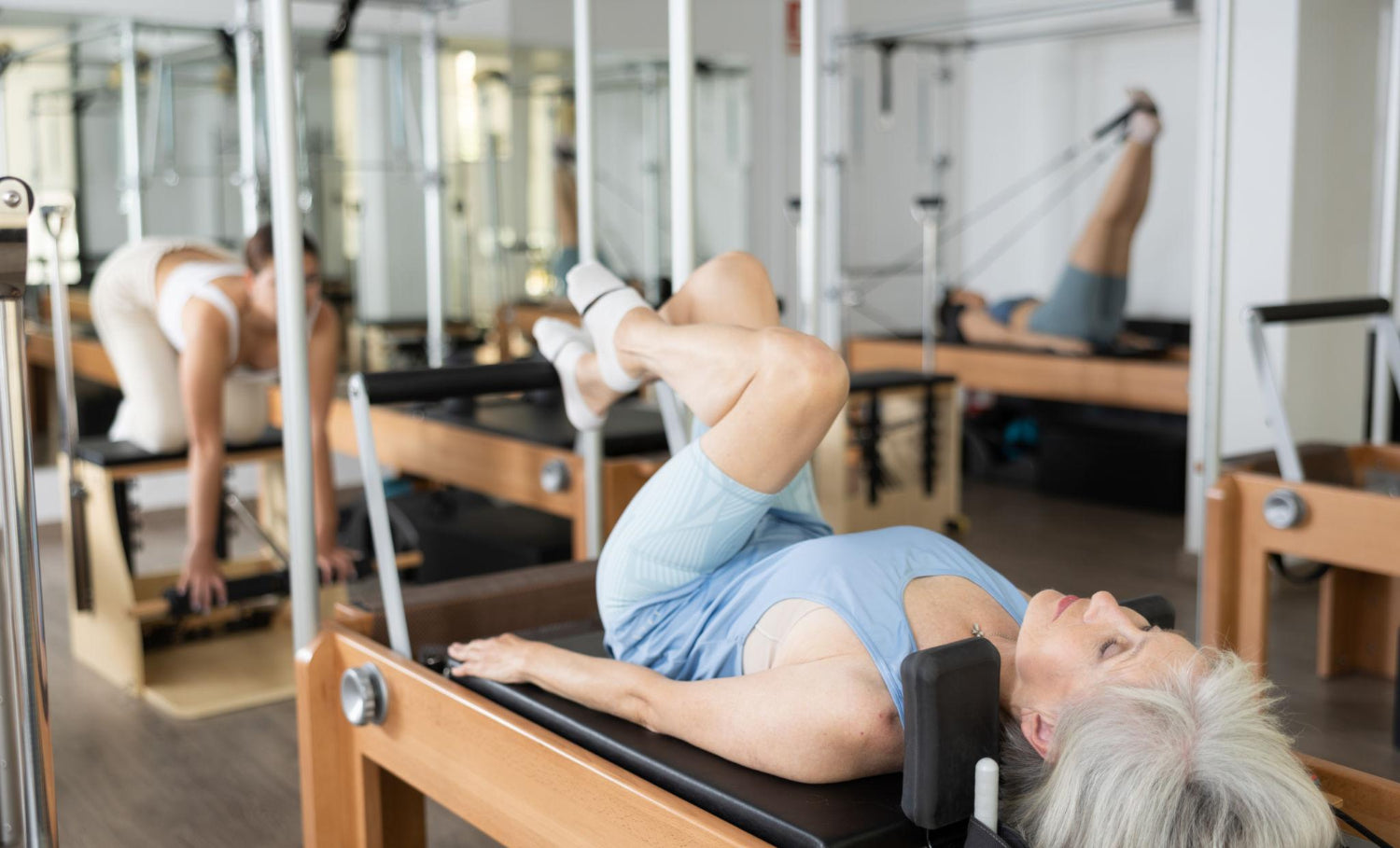
Pilates focuses on strength, alignment, and stability. It helps support the joints by strengthening the muscles around them. Reformer Pilates is especially useful as it allows for controlled, low-impact movement.
If you are exploring equipment-based options, you can view a range of pilates reformer machines here:
You can also explore a wider selection of pilates machines for home or studio use:
Building a "Muscle Internal Brace" for Your Joints
Pilates builds deep core strength. This acts as support for your joints. It helps reduce strain during movement.
How Core Strength Reduces Pressure on the Lower Back and Hips
A strong core supports the spine and pelvis. This reduces pressure on the lower back and hips. It is especially helpful for weight-bearing joints.
Targeted Strengthening: Supporting the Small Muscles Around the Joints
Pilates targets smaller stabilising muscles. These muscles are often missed in other forms of exercise. Strengthening them improves joint support and control.
The Advantage of "Unloaded" Movement on the Reformer
The reformer uses springs to guide movement. This reduces the amount of weight placed on your joints.
Using Spring Resistance to Build Strength Without Compression
Spring resistance allows you to build strength without heavy impact. This makes exercise more comfortable during sensitive periods.
Why Pilates is Often Preferred for Osteoarthritis of the Knee
Pilates is often recommended for knee osteoarthritis. It strengthens the muscles around the joint while limiting stress. This can improve movement without increasing pain.
Postural Alignment and Reducing Compensatory Pain
Poor posture can place extra strain on the joints. Pilates focuses on proper alignment to reduce this.
Correcting Movement Patterns That Aggravate Arthritic Joints
Pilates helps retrain how you move. This can prevent habits that place stress on certain joints. Over time, this reduces discomfort.
Yoga vs. Pilates for Arthritis: Which One Should You Choose?
Both methods can help. The right choice depends on your condition, your goals, and how your body responds.
Choosing Based on Your Type of Arthritis
Different types of arthritis respond in different ways. Choosing the right approach matters.
Why Yoga May Benefit Rheumatoid Arthritis (RA) More
Yoga may suit rheumatoid arthritis (RA). It focuses on relaxation and gentle movement. This can help manage fatigue and inflammation.
Why Pilates is a Top Choice for Osteoarthritis (OA) and Spinal Stenosis
Pilates is often better for osteoarthritis (OA). It improves strength and joint support. This is useful for wear-and-tear conditions and spinal issues.
Safety First: When to Avoid Certain Poses or Exercises
Exercise should never feel sharp or painful. It should feel controlled and manageable.
Modification Strategies for Wrist and Neck Sensitivity
Both yoga and Pilates can be adapted. You can use props or adjust positions. This helps protect sensitive joints.
Understanding the "Red Light" Signs During an Arthritis Flare
Stop if you feel sharp pain, swelling, or increased stiffness. During a flare-up, gentle movement or rest may be more suitable.
The Hybrid Approach: Can You Do Both?
You do not always need to choose one. Many people benefit from combining both.
Creating a Weekly Routine That Balances Flow and Strength
You might use yoga for flexibility and relaxation. Pilates can build strength and stability. Together, they support long-term joint health.
--------
The information provided in this blog is intended for general educational and informational purposes only and should not be considered medical, fitness, or professional advice.
Always consult with a qualified healthcare professional, physiotherapist, doctor, or licensed Pilates instructor before starting any new exercise programme, particularly if you have an existing injury, medical condition, pain, or health concerns.


