

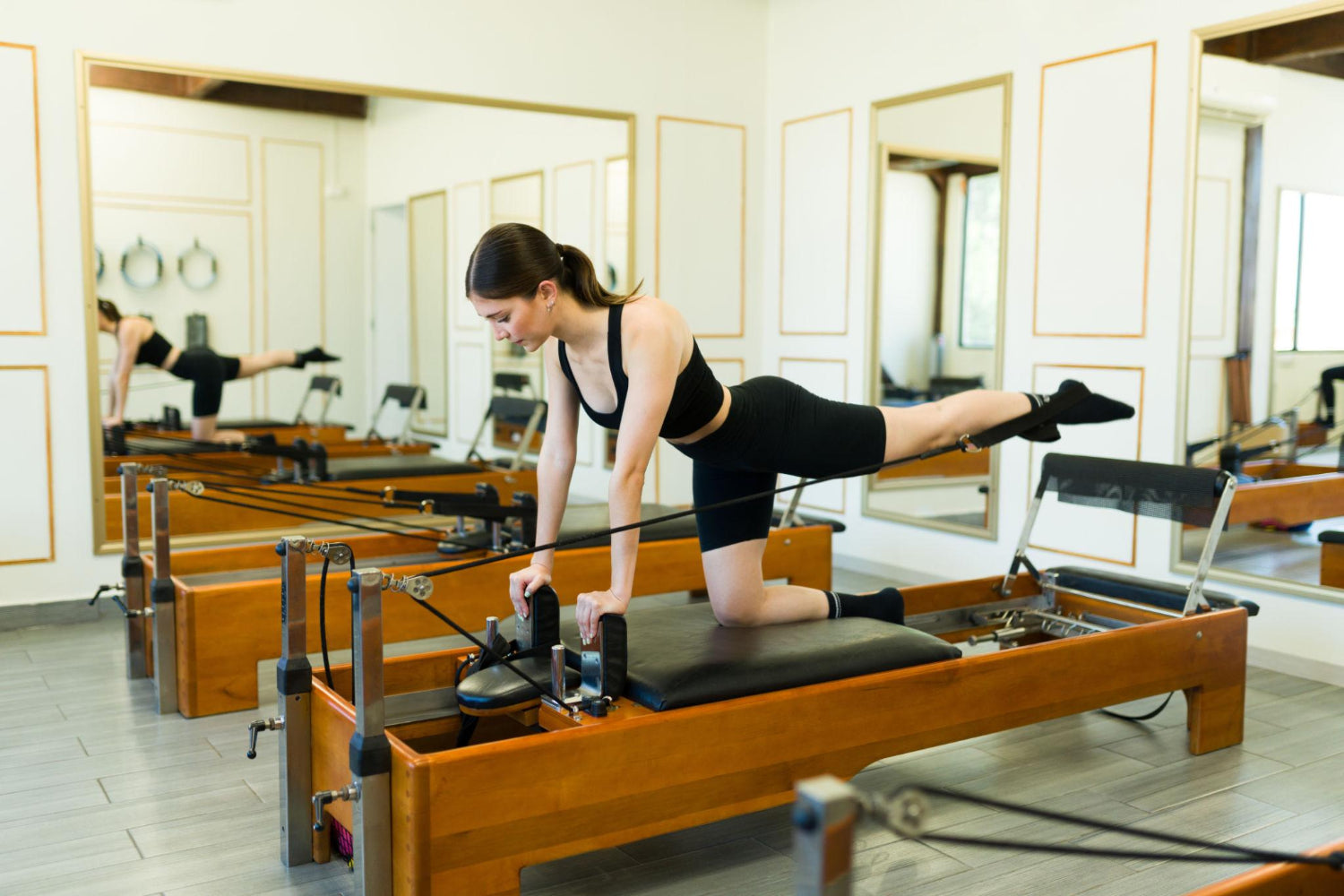
Ever tried Pilates and wondered why it feels harder than it looks?
The short answer: the 3 C’s! Concentration, control, and centring.
Mastering them improves your results, especially on Reformer Pilates Machines.
Keep reading to see how these simple principles build strength, posture, and better movement.

The Essential 3 C’s: Concentration, Control, and Centring.
Exploring the core of Pilates, we find three key elements: concentration, control, and centring. These form the foundation of every exercise.
Whether you're on a mat or using Reformer Pilates Machines, these principles guide how your body moves. They help you train with purpose rather than relying on momentum.
Over time, this leads to better posture, improved strength, and safer movement patterns.
Concentration: Mastering the Mind-Body Connection
Concentration means being fully present during your Pilates session. It is about directing your attention to each movement and muscle group.
Why Every Movement Requires Full Mental Presence
When you stay focused, you notice small changes in alignment and breathing. This awareness helps you adjust your form as you move.
It also stops your mind drifting, making each movement more effective and controlled.
Focusing on Form Over Intensity to Prevent Injury
Pilates is not about rushing or pushing through repetitions. It focuses on correct form.
By slowing down and refining your technique, you reduce strain on joints and lower the risk of injury.
The Role of Precision in Concentrated Movement
Precision ensures every movement has purpose. Small adjustments can change how muscles are activated.
This attention to detail makes each exercise more effective.
Control: Harnessing Power Without Momentum
Control is about managing your body through every phase of movement. Each repetition should feel steady and deliberate.
Moving with Intention: Why Speed is Your Enemy
Fast movements often rely on momentum rather than strength.
Slowing down forces your muscles to stay engaged, leading to better results and safer sessions.
Achieving Total Muscular Control in Every Repetition
True control means guiding the movement from start to finish.
This builds coordination and strengthens the connection between your brain and muscles.
How Control Builds Functional Strength for Daily Life
Controlled movement carries over into daily life.
It improves balance, posture, and helps with simple tasks like lifting or bending without strain.
Centring: Activating the "Powerhouse"
Centring refers to engaging your core muscles, often called the "powerhouse".
What is the Powerhouse? (Abs, Lower Back, and Hips)
The powerhouse includes your abdominal muscles, lower back, and hips.
These muscles work together to stabilise your body during movement.
Why All Pilates Movements Originate from the Center
Every Pilates exercise begins from the core.
This supports your movements and reduces pressure on other areas of the body.
How Centring Improves Balance and Spinal Stability
A strong centre improves balance and coordination.
It also supports your spine, helping you move with more control and ease.

Beyond the Basics: Integrating the Other Pilates Principles
While the 3 C’s form the base, other habits help deepen your practice.
Consistency and commitment allow these principles to become natural over time.
The Secondary 3 C's: Commitment, Consistency, and Change
Building on the fundamentals, these elements support long-term progress.
Why Consistency is the Key to Long-Term Results
Regular practice leads to steady improvement.
Small gains in strength and control build up over time.
Making a Commitment to Your Practice
Staying consistent helps maintain progress.
Even short sessions can deliver results when done regularly.
Connecting the C's with Breath and Flow
Breathing and movement work together in Pilates. They help create smooth transitions between exercises.
Using Diaphragmatic Breathing to Support the Core
Coordinating breath with movement helps activate the core.
It also improves focus and supports better control.
Transitioning Between Exercises with Grace and Fluidity
Flow connects movements into a smooth sequence.
This keeps your body engaged and improves coordination.
Why the 3 C’s Actually Matter for Your Results
Using these principles changes how your body works each day.
They improve posture, increase strength, and reduce injury risk.
Better Results in Less Time
Focusing on quality makes each session more effective.
Quality Over Quantity: The Pilates Philosophy
Pilates values precision over repetition.
Fewer, well-executed movements often deliver better results.
Sculpting Lean Muscle through Constant Core Engagement
Engaging your core throughout each movement builds lean, functional muscle.
This supports strength without unnecessary strain.
Reducing Chronic Pain and Improving Posture
These principles also support long-term physical health.
They help correct imbalances and reduce strain on the body.
How the 3 C's Address Back Pain and Stiffness
Better alignment and stronger core muscles reduce pressure on the spine.
This can ease discomfort and improve mobility.
Real-World Benefits of a Strong and Centred Core
A stable core supports everyday movement.
From sitting to walking, you may notice better balance and less strain.
In summary...
The 3 C’s of Pilates — concentration, control, and centring — are what make the method so effective for improving strength, posture, balance, and overall body awareness. Whether you are practising on a mat or using Reformer Pilates Machines, focusing on mindful movement and proper core engagement helps you get more from every session while reducing the risk of injury. By combining these principles with consistency and controlled breathing, Pilates becomes more than just exercise — it becomes a sustainable way to move better, feel stronger, and support long-term physical health.


